Join Our Wine Journey – Sign Up for the Newsletter 🍷
BOND: A Portrait of Napa Valley Through Five Vineyards
Share
Deel op X (twitter)
LinkedIn
WhatsApp
BOND: A Portrait of Napa Valley Through Five Vineyards.
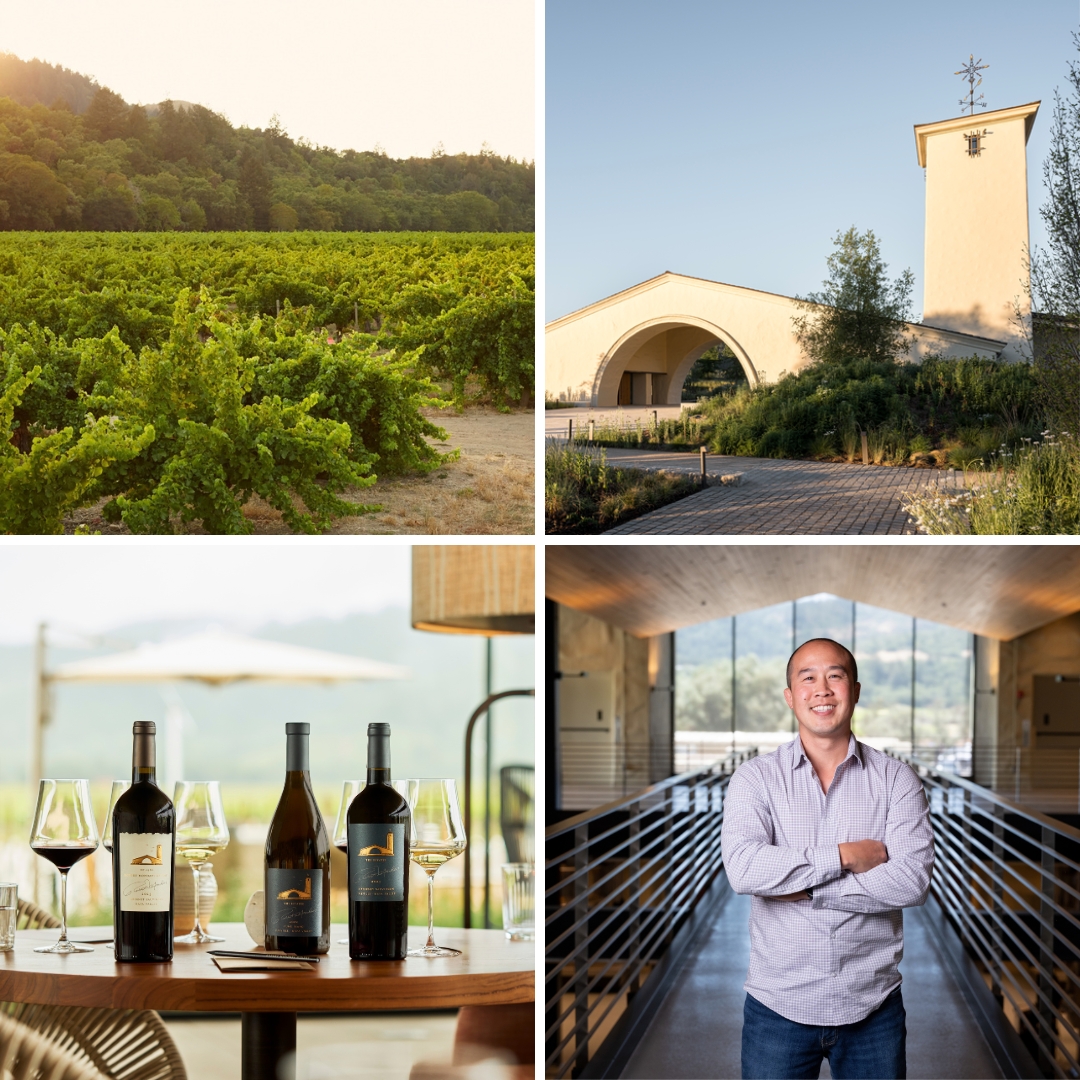
Few names are as closely associated with Napa Valley’s fine wine movement as the Harlan family. Over the past four decades, Harlan Estate has become one of California’s defining estates, while Promontory has challenged conventional thinking about terroir, viticulture and the relationship between vineyard and winemaker. BOND shares the same family ownership, yet it was never intended as a continuation of either project.
Instead, BOND set out to answer a different question: could Napa Valley’s greatest individual vineyard sites stand on their own, each expressing a unique sense of place while sharing the same commitment to viticulture and winemaking?
In conversation with Dutch Wine Apprentice, Will Harlan describes BOND as the counterpart to Harlan Estate. “Harlan Estate follows the Bordeaux model,” he explains. “BOND follows the Burgundy model.”
The comparison is not about replicating Europe, but about adopting a different way of looking at vineyards. Rather than focusing on a single estate, BOND explores how individual sites across Napa Valley can each produce wines with their own unmistakable identity.
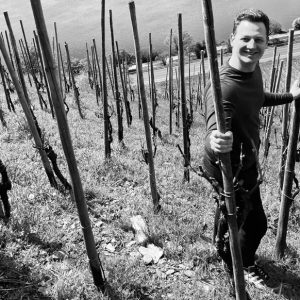
Will Harlan of BOND.
From Merryvale to BOND
The origins of BOND reach back well before the first vintage was bottled in 1999.
When Bill Harlan first committed himself to wine in the early 1980s, his ambition was not immediately to establish an estate. Before making that decision, he wanted to understand Napa Valley itself. That opportunity came through the acquisition of Sunny St. Helena Winery, later renamed Maryvale, which became a working laboratory where fruit from across the valley could be vinified under one roof. Over the years, grapes were sourced from more than 120 sites, allowing vineyards, soils and microclimates to be compared over multiple vintages rather than judged on reputation alone.
The exercise proved invaluable. While Harlan Estate eventually emerged from years of research into Oakville’s western hillsides, another pattern also became apparent. Certain vineyard sites consistently distinguished themselves regardless of vintage. They were often small hillside parcels, many attached to private homes rather than commercial wineries, yet they repeatedly produced fruit of remarkable individuality.
Those vineyards would eventually form the foundation of BOND.
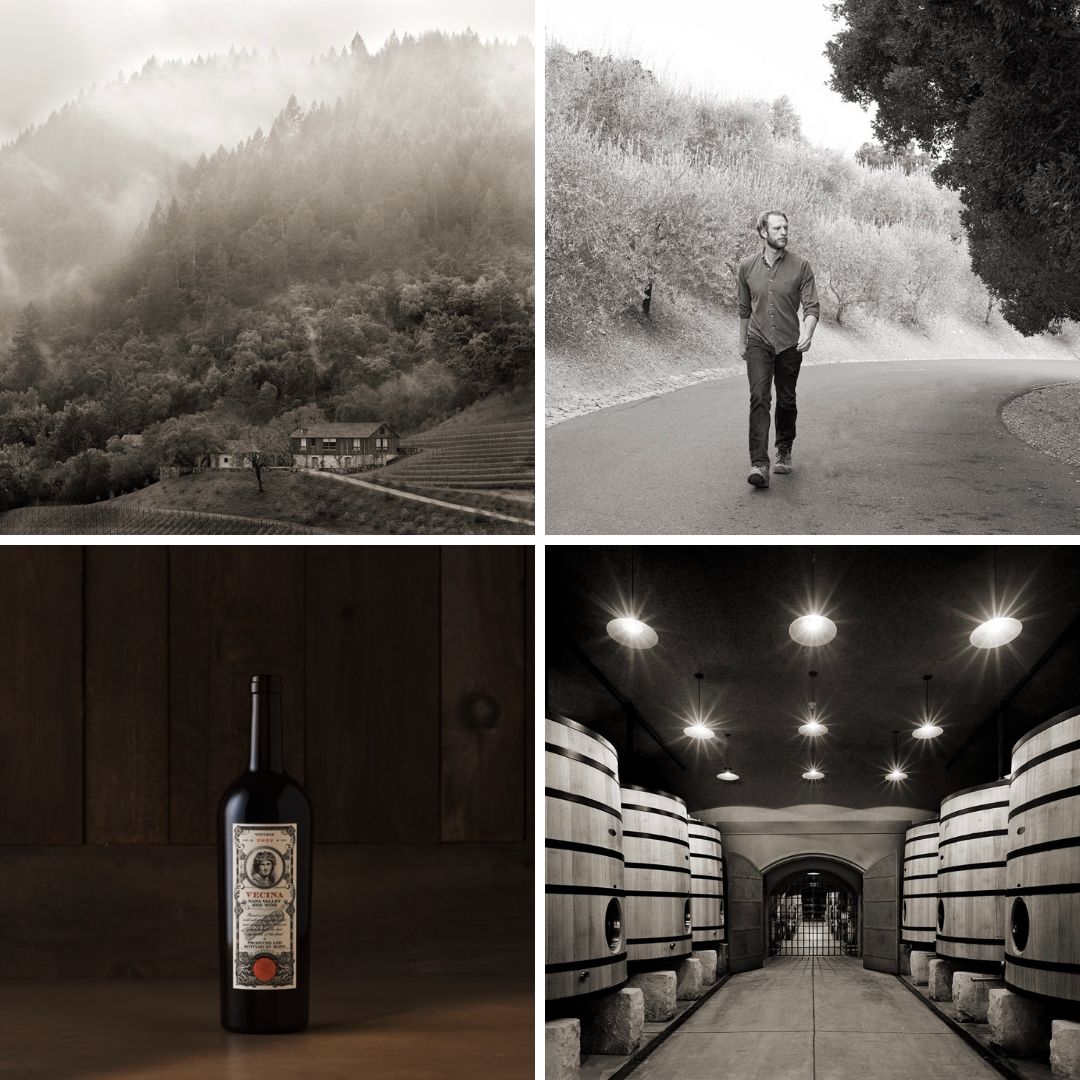
The Hills of Napa Valley and Cru’s of BOND.
“The way I think about it,” Will Harlan says, “is that Harlan Estate was very rational. We researched and triangulated, and began with raw land—building an estate from the ground up. BOND was much more empirical. We worked with these vineyards over many years before deciding they had earned their place.”
The first two vineyards, Melbury and Vecina, entered the portfolio with the 1999 vintage. St. Eden followed in 2001, Pluribus in 2003 and Quella in 2006. Even today, that process continues. At any given time, the team works with a small number of candidate vineyards, sometimes for a decade or more, before deciding whether they possess the individuality required to join the collection. Many ultimately do not.
That patience remains one of BOND’s defining characteristics. Unlike many wine projects that expand as opportunities arise, BOND has remained deliberately selective. Nearly thirty years after the first vintage, the search for a sixth vineyard continues.
The vineyards themselves are also unusual in another respect. Unlike Harlan Estate, they were not originally acquired by the Harlan family. Instead, long-term partnerships were established with the families who owned the properties, while the BOND team assumed complete responsibility for farming. Only recently did that change with the acquisition of St. Eden, the first BOND vineyard to come under direct ownership. The remaining sites continue to operate through those long-standing relationships, reflecting a philosophy that values stewardship as highly as ownership.
Although the five vineyards are spread across Napa Valley, they share one important characteristic: every site occupies a hillside location. For Will Harlan, that choice was intentional.
BOND’s Cellar.
“You can make incredible wine on the valley floor,” he explains, “but we’re looking for differentiation. We find that in the hillsides, where the vines interact with the bedrock and the mother material. That’s where we find real differentiation of character.”
That diversity is precisely what BOND seeks to capture. Rather than presenting Cabernet Sauvignon as a single expression of Napa Valley, the project uses one grape variety to reveal five distinctly different interpretations of place.
Five Expressions of Napa Valley
If BOND’s origins explain why the project exists, the wines themselves explain why it has endured.
One of the ambitions from the outset was to demonstrate that Napa Valley could not be reduced to a single style of Cabernet Sauvignon. By working with vineyards spread across different parts of the valley—each with its own elevation, geology and exposure—the collection reveals a remarkable diversity of expression while remaining rooted in a single grape variety. As Will explains, the intention was never to identify one superior corner of Napa Valley, but to show that greatness can emerge in different forms across the region.
Tasting the 2022 vintage of the five wines side by side leaves little doubt that the concept succeeds.
Quella (97/100 DWA score), added to the collection in 2006, immediately challenges expectations. Despite being one of the warmer vineyard sites, it consistently produces the most graceful wine of the portfolio. Aromas of blue fruit, orange peel and clove are carried by a distinctly mineral character, while finely woven tannins give the wine an almost effortless elegance. Within the BOND team, Quella has earned the nickname “the ballet dancer”—a fitting description for a wine that combines delicacy with quiet strength.
2022 Quella.
Melbury(98+/100 DWA score) offers a different interpretation of refinement. Located northeast of Lake Hennessey in the Conn Creek Valley, the vineyard benefits from cooling influences while its clay-rich soils provide depth and structure. The resulting wine is beautifully composed, balancing generous fruit with remarkable precision. Rather than relying on power, Melbury gradually unfolds in the glass, revealing layers of red and dark fruit supported by polished tannins and a persistent freshness.
2022 Melbury.
The profile shifts again with St. Eden (98+/100 DWA score). Although it occupies the lowest elevation of the five vineyards, the site experiences some of the greatest differences between daytime and nighttime temperatures, allowing acidity to be preserved alongside fully ripened fruit. The vineyard is surrounded by wild lavender and fennel, details that seem almost reflected in the wine itself through lifted herbal aromas and vibrant freshness. Beneath those aromatics lies a tightly focused structure, giving St. Eden an energy that sets it apart within the collection.
2022 St. Eden.
Vecina (98/100 DWA score), whose name translates as “neighbor”, occupies a fitting position between Harlan Estate and Promontory, yet stylistically remains entirely its own wine. Cooler morning conditions and the influence of marine air contribute to an expressive aromatic profile of coriander seed, Sichuan pepper and bay laurel, while the palate combines concentration with an assertive tannin structure that promises exceptional longevity. It is perhaps the most immediately structured wine of the five, built as much around texture as fruit.
2022 Vecina.
Completing the collection is Pluribus (97/100 DWA score), the highest vineyard in the portfolio at approximately 400 metres above sea level on Spring Mountain. Surrounded by redwoods and evergreen forest, it reflects its mountain setting from the first impression. Dark fruit is accompanied by notes of wild herbs, forest floor and pine, while the palate delivers the greatest concentration and depth of the collection without sacrificing freshness. Powerful yet composed, Pluribus demonstrates how altitude can shape Cabernet Sauvignon into an expression entirely distinct from its valley counterparts.
2022 Pluribus.
Together, the five wines achieve something that is rarely encountered even among single-vineyard collections. They are linked by a common philosophy of farming and winemaking, yet none appears to conform to a recognisable house style. Instead, each vineyard retains a personality so distinct that it invites comparison not with the others, but with the landscape from which it originates.
The collection ultimately becomes less a study of Cabernet Sauvignon than a portrait of Napa Valley itself, viewed through five remarkably individual sites.
Looking Ahead
Although BOND has remained remarkably consistent in its purpose since the inaugural 1999 vintage, the project continues to evolve. That evolution is not driven by expanding the portfolio or redefining its philosophy, but by developing a deeper understanding of the vineyards themselves.
One of the clearest examples is Quella.
Today it is recognized as the most graceful wine within the collection, yet that was not always the expectation. Early on, the team believed the vineyard’s warm location would naturally produce a richer, more powerful style of Cabernet Sauvignon. Experience proved otherwise. Vintage after vintage, Quella revealed a preference for elegance over weight, prompting subtle adjustments in the cellar to better reflect the character the vineyard had been expressing all along.
“It took us a while to realize that the vineyard was telling us who it was,” Will Harlan explains. Rather than trying to shape Quella into something it was not, the team gradually adapted its approach, allowing the site’s natural refinement to come forward.
That willingness to continue learning extends beyond individual vineyards. The 2022 growing season demonstrated how decades of experience in the vineyard continue to influence the wines. Through increasingly precise farming practices, including careful canopy management, balanced crop loads and a greater reliance on dry farming where appropriate, the vineyards reached maturity earlier than in previous years. As a result, much of the fruit had been harvested before the intense September heat affected large parts of Napa Valley, preserving freshness while maintaining concentration.
The evolution of BOND is also reflected in the winery itself. Following Bob Levy’s leadership, longtime Harlan Estate winemaker Cory Empting assumed responsibility for both Harlan Estate and BOND. Yet perhaps the most telling aspect of BOND is what has not changed.
Cory Empting at the Winery.
Nearly three decades after the first vintage, the collection still consists of five vineyards.
Will confirms that the search for a sixth site continues, with several vineyards remaining under long-term evaluation. Some have been farmed for years before ultimately being set aside. Others continue to be observed. There is no timetable and no pressure to expand. A vineyard will only join BOND when it consistently demonstrates the individuality that defines the existing collection.
That patient approach may ultimately be BOND’s defining characteristic. While the wines capture five distinct expressions of Napa Valley today, the project has never been about assembling a collection for its own sake. It remains an ongoing exploration of place—one that continues to evolve with every vintage, every season and every vineyard that has yet to reveal the full potential of its character.
Nearly thirty years after the first BOND vintage, the questions that inspired the project have not been fully answered. Instead, each harvest adds another chapter to a story that continues to unfold across five remarkable vineyards, united not by a common style, but by a shared belief that the finest wines begin with an exceptional place.
Explore More: The Harlan Family Domains
BOND forms part of a broader story we have explored through our conversations with Will Harlan. For a deeper understanding of the family’s work in Napa Valley, read our features on Harlan Estate, tracing the vision behind one of California’s defining estates, and Promontory, where a dramatically different landscape has led to an equally distinct approach to viticulture and winemaking. Together with BOND, the three stories offer a closer look at three independently operated domains, each shaped by its own place, philosophy and long-term vision.
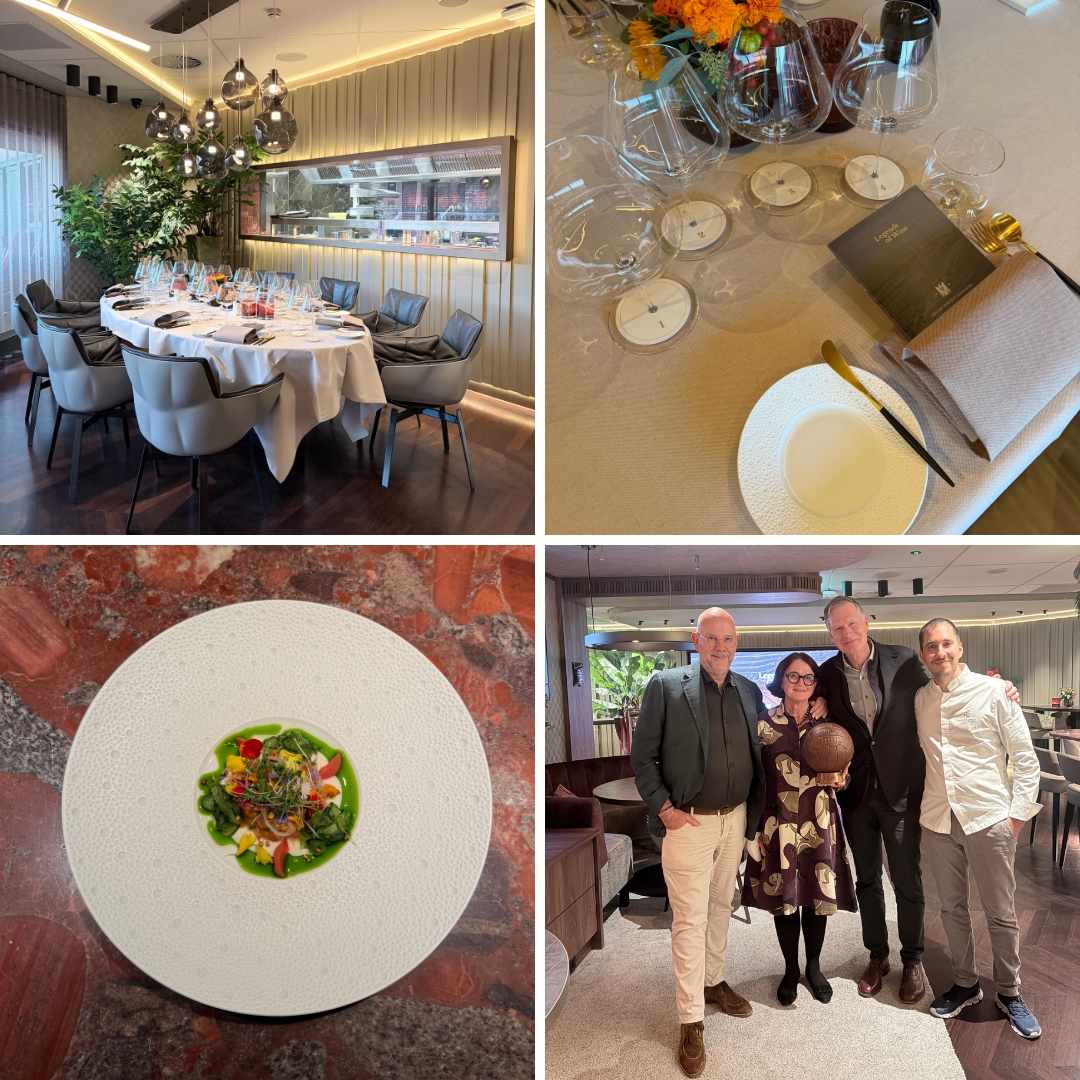
This article is written by our own Niels Aarts. We would like to thank BOND, Will Harlan and Maximilian Kast, for their support in writing this article, and Colaris, their Dutch distributor for the invitation.
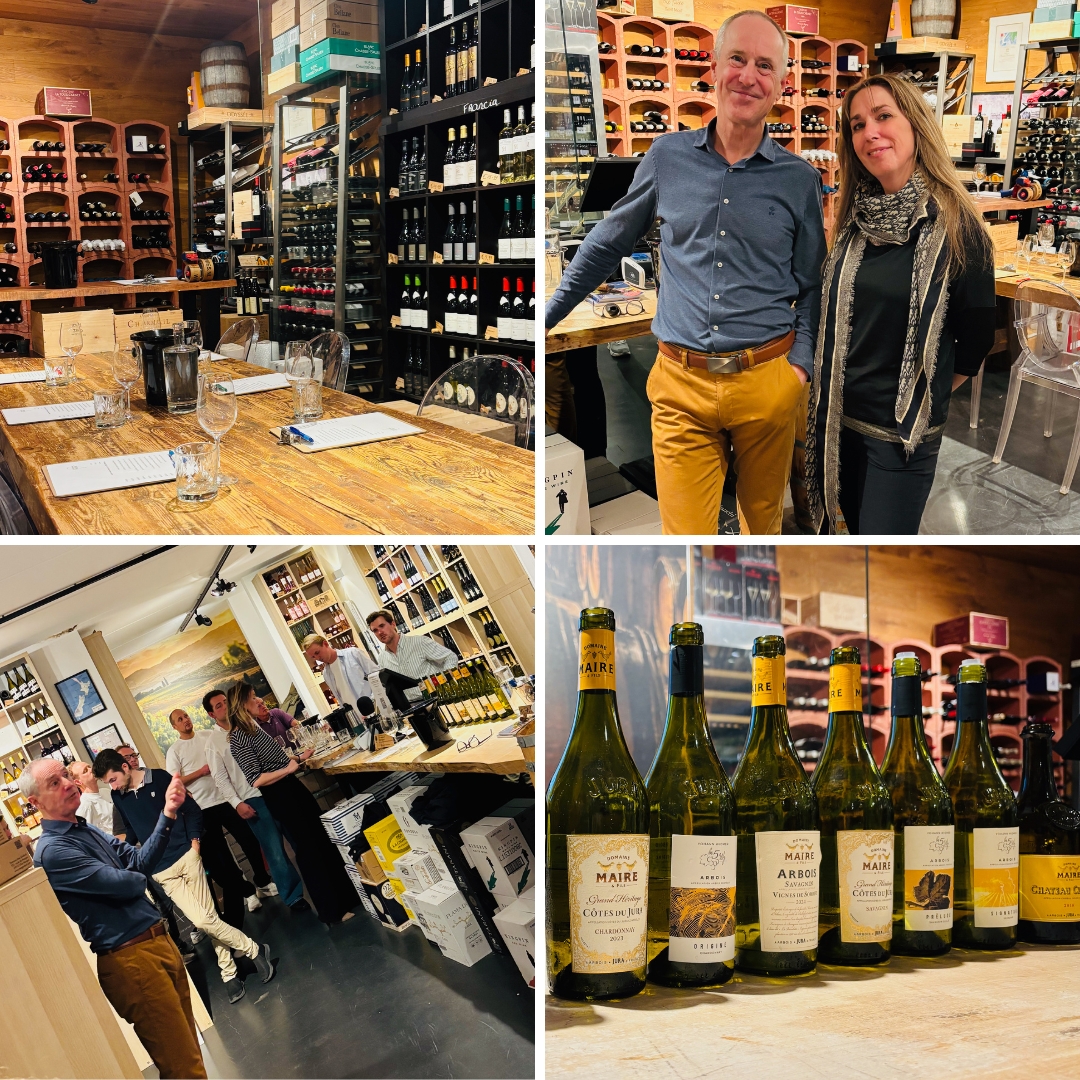
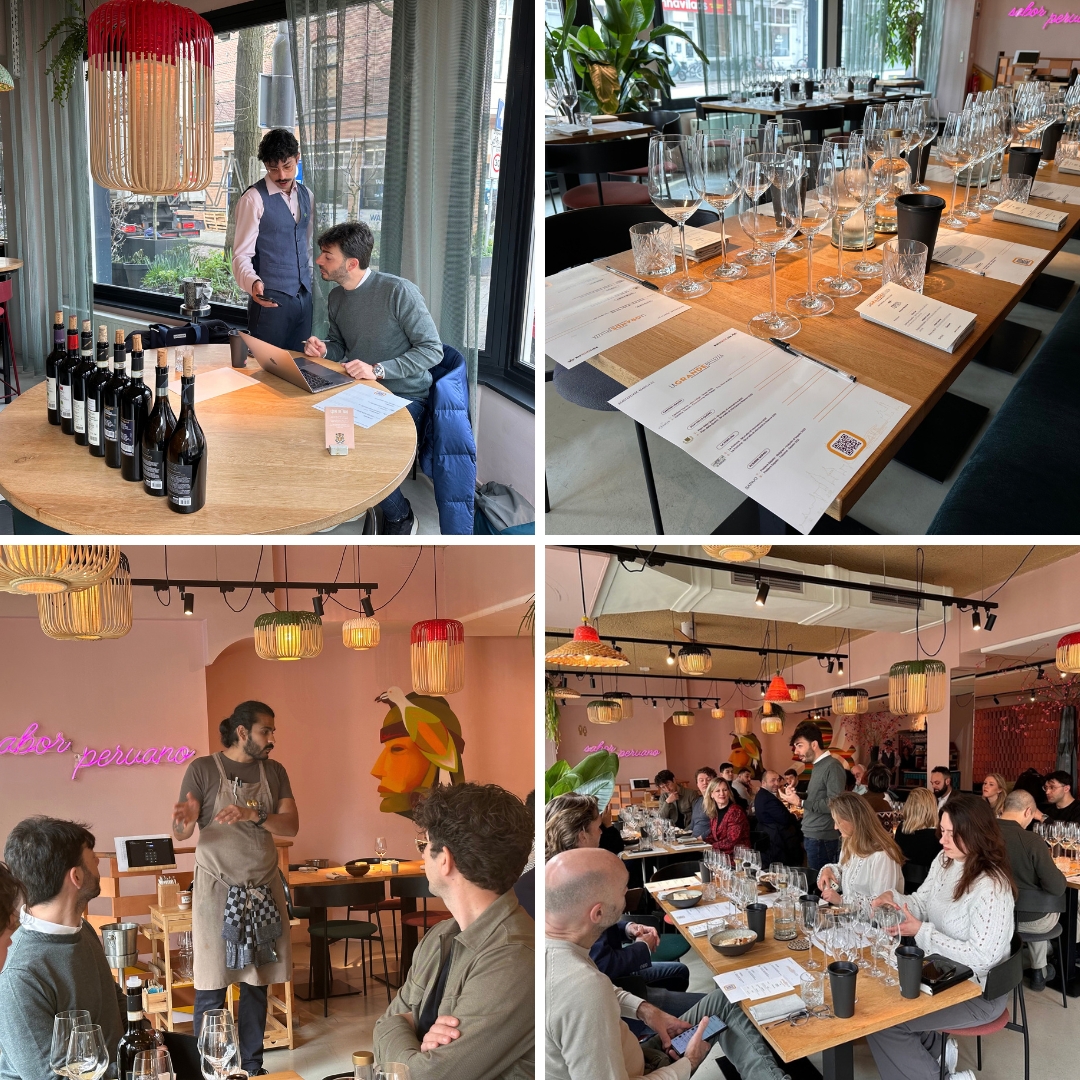
We also thank the team at Vineum in Rotterdam who opened their doors for a tasting of the wines. BOND is available on a limited basis in several markets around the world. For purchases in the Netherlands, you can reach out to Colaris directly.
Join our insiders’ list and get exclusive early access to new articles, expert tips, and fresh reviews delivered straight to your inbox. Subscribe now and be the first to discover!