Join Our Wine Journey – Sign Up for the Newsletter 🍷
La Grande Année 2018 Review: Bollinger at Flore
Share
Deel op X (twitter)
LinkedIn
WhatsApp
La Grande Année 2018 Review: Bollinger at Flore.
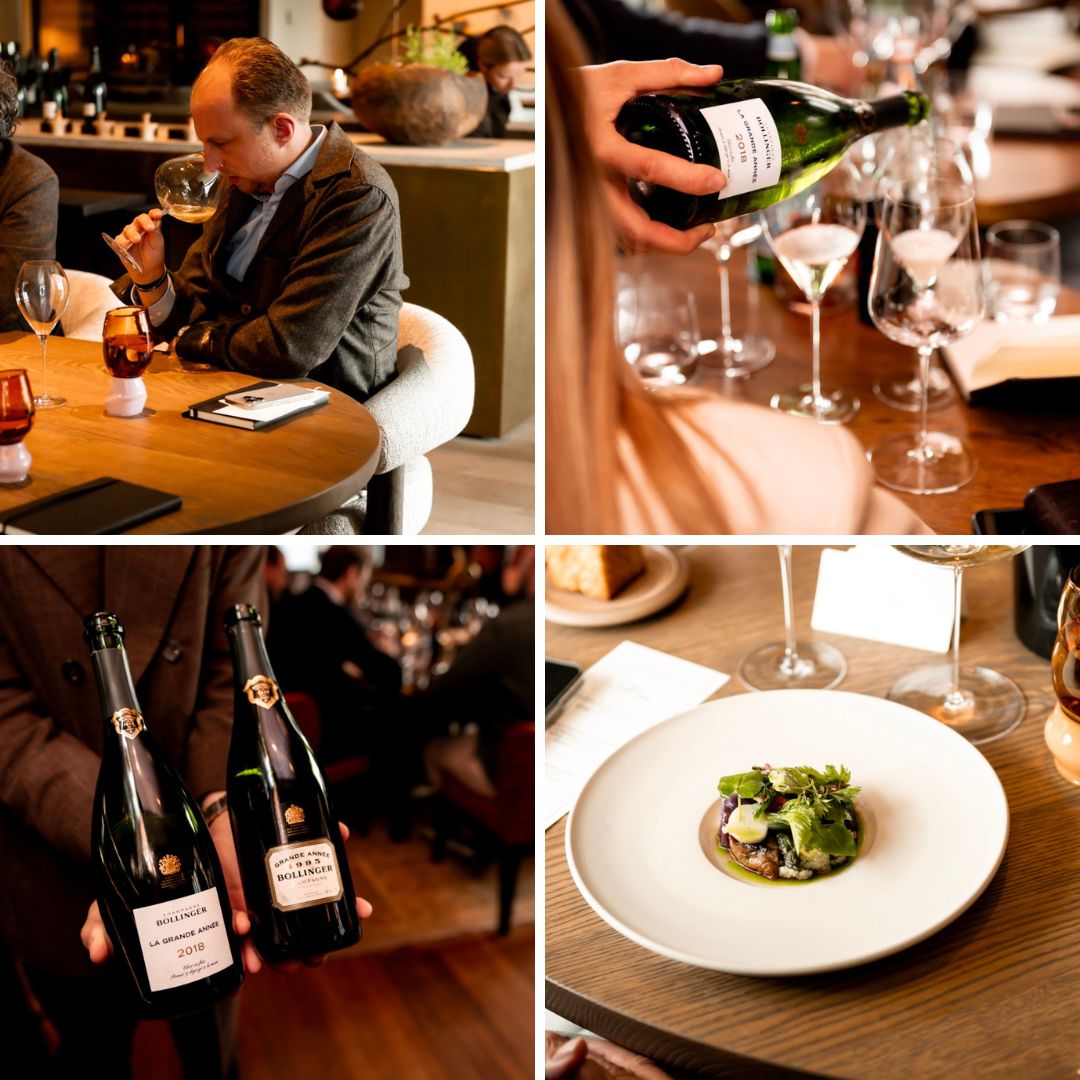
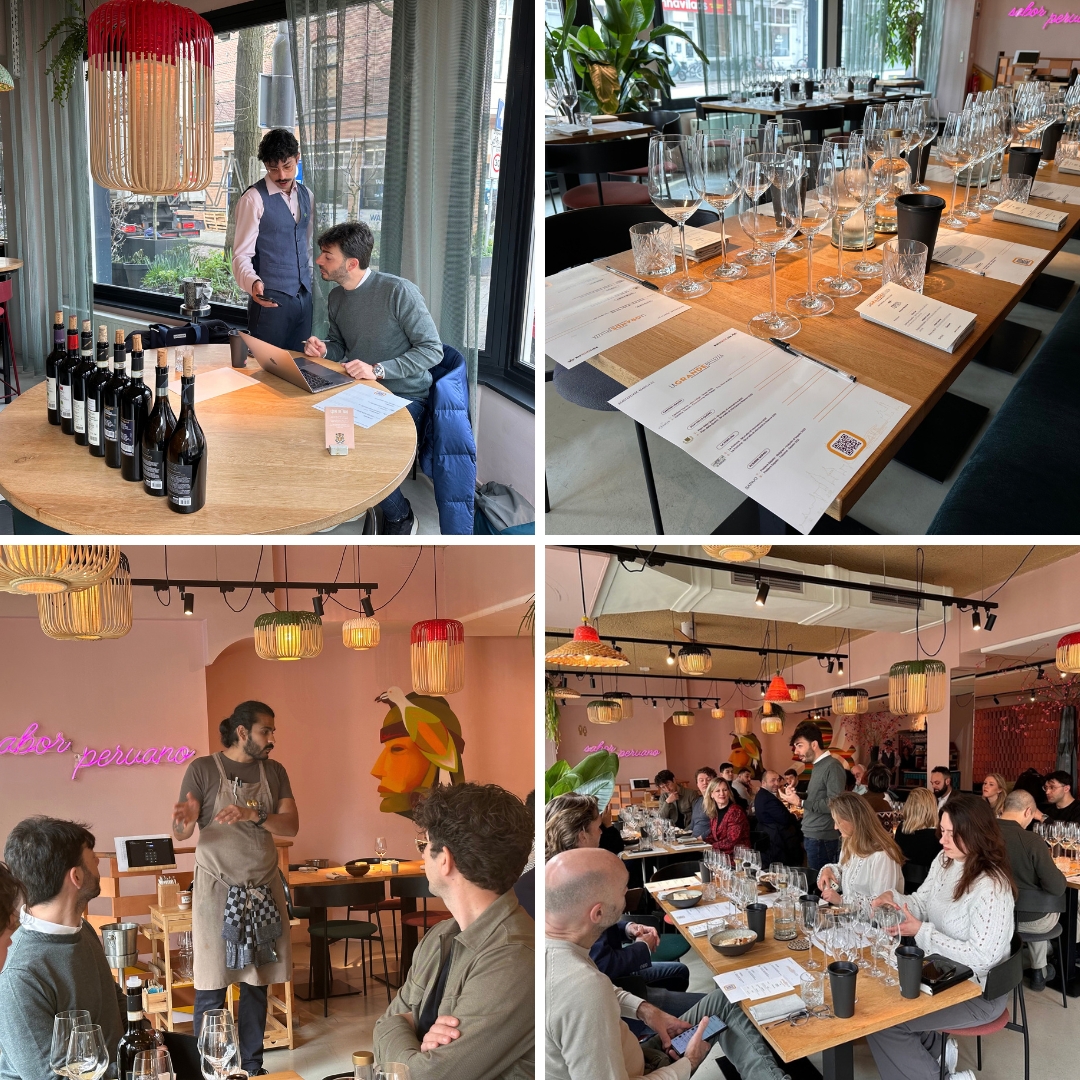
Recently importer Verbunt Verlinden and the team of Two-Michelin-starred Restaurant Flore joined together to celebrate the launch of the 2018 La Grande Année by Champagne Bollinger in the Netherlands. We were graciously invited to attend the event, which consisted of a guided deep-dive masterclass by Bollinger’s own Arthur Robbert followed by a luxurious lunch, which, through a menu aptly shaped around several vintages of La Grande Année, showed just how well these wines pair with the elegant, refined cuisine of Flore.
The Star of the Day, Bollinger’s La Grande Annee 2018 alongside Amsterdam’s Canals.
Champagne Bollinger: Five Pillars of Success
Champagne Bollinger, while relatively small compared to other grandes maisons, is among the most highly regarded. This is in part due to their long-term vision as they are one of the last remaining family-owned houses, but perhaps even more so due to their relentless pursuit of quality. This is achieved through five pillars, consisting of a strong focus on Pinot Noir (as they are situated in Aÿ), their terroir composed of 180 hectares of mainly grand and premier cru vineyards, barrel fermentation for the higher-end wines, ageing part of their reserve wines in magnum under natural cork, and time: with all of their cuvées ageing from four to over fifteen years before release.
Champagne Bollinger’s Arthur Robbert presenting the identity of Bollinger.
Especially the barrel fermentation is something that sets Bollinger apart from many others, adding both texture and structure to their prestige cuvées, without ever losing their elegance. They even have their own cooperage and in-house cooper, who carefully maintains the 5.000 barrels currently in use. These winemaking choices go hand in hand with their main grape variety Pinot Noir (over 60% of Bollinger’s plantings), further emphasizing the body and roundness it brings to the blends.
The use of magnums to age many of the reserve wines also sets the house apart, with the reserve wines often ageing for up to 15 years before being added to the entry-level Special Cuvée and its rosé counterpart. In many vintages, the percentage of reserve wine in these cuvées amounts to over 20% of the total blend, imparting distinct dried fruit and spice notes and maintaining both consistency and complexity.
For the PN series, made to highlight Pinot Noir expressions from different Champagne crus each year, the proportion of reserve wines can even rise to 30% or higher (read more about Bollinger’s PN-series, in particular the PN TX20, in our earlier article).
While costly, these choices underline why Bollinger is so highly esteemed and why their house style is one of roundness, richness, and luxury – but never without freshness.
La Grande Année: Greatness Through the Years
The most emblematic wine of Bollinger is arguably La Grande Année – first launched in 1976 under curatorship of Madame Elisabeth Bollinger herself. While the Special Cuvée and PN series highlight the house style and crus of Bollinger respectively, La Grande Année is made to showcase the quality of the vintage. To this end, only Pinot Noir and Chardonnay from grand cru and premier cru vineyards are used, the wines are vinified in oak, sealed with natural cork to create a more reductive environment for ageing on the lees for seven to ten years, riddled by hand, and only made in vintages where the quality is deemed high enough. Recent releases include 2015, 2014, 2013, 2012, and 2008 – with the 2018 vintage in the spotlight today being the 25th iteration of the series.
Flore Wine Director Antonello Nicastri serving the 2018 La Grande Annee.
A rare rosé version of La Grande Année is also produced – but only in select vintages and in extremely limited quantities. For this exclusive wine, the 2018 of which we were fortunate enough to taste during lunch, around 5% of red wine is blended in from the renowned Bollinger ‘La Côte aux Enfants’. This vineyard is one of the crown jewels in the holdings of Bollinger, consisting of a 4-hectare, steep chalk hillside on the outskirts of Aÿ, which Jacques Bollinger spent years painstakingly assembling as to create the monopole Bollinger has today.
Bollinger’s Wine-Up for the Day.
Champagne Bollinger La Grande Année 2018
66% Pinot Noir and 34% Chardonnay | 95/100 DWA score | Drink 2028-2048
2018 was a relatively warm year, which Bollinger responded to by using more northerly-exposed vineyards in the blend. They also included a good proportion of Pinot Noir from both the chalky Verzenay grand cru to add tension and salinity, and from the relatively higher altitude Tauxières cru to bring more acidity and freshness to the blend. As with all La Grande Année iterations, the wine was vinified in older oak barrels, sealed with natural cork, and riddled by hand. The 2018 vintage aged for seven years on the lees, bringing subtle notes of brioche, nougat, smoke, and fresh walnut, alongside generous lemon, peach, and white strawberry characteristics. Structured and vinous, yet lifted by a certain white flower freshness and ample acidity to balance it all out. Still in its infancy, with a lot of upside potential.
La Grande Année 2018 and La Grande Année 2018 Rose.
Champagne Bollinger La Grande Année Rosé 2018
67% Pinot Noir and 33% Chardonnay | 96/100 DWA score | Drink 2028-2043
For the rosé version of La Grande Année largely the same vineyards and winemaking practices are used as for the regular La Grande Année, with the main difference being that for the rosé around 5% of red wine is blended in from the renowned Bollinger ‘La Côte aux Enfants’ monopole in Aÿ, giving the wine a beautiful salmon colour to it. Slightly fuller-bodied than the regular 2018 La Grande Année, showing ripe red fruit, white strawberry, white peach, lemon, nutmeg, white pepper, and anise, with subtle wet stone and toast notes beautifully balancing the fruit and spice notes. Very long finish, with charm and class. One of Champagne’s finest rosé wines, with the density of lees ageing beautifully balancing the freshness and intensity of the fruit.
The 2018 and 1995 La Grande Année.
Champagne Bollinger La Grande Année 1995
63% Pinot Noir and 37% Chardonnay | 96/100 DWA score | Drink 2026-2035
Initially poured blind, with guesses from the attendees ranging from 1993 to 2008. From a cooler vintage, yielding a more classical expression of La Grande Année. Deceptively fresh, helped by it being disgorged just three months ago. Beautifully mature with intense notes of honey, mushroom, hay, almond, and nutmeg. The fruit is still there however, with a nuanced lemon curd, baked apple, and dried apricot note alongside high but softened acidity keeping the tertiary notes in balance. Fully mellowed out, with the long finish hinting towards white truffle and nougat. A beautiful example of just how well La Grande Année can develop over the years.
Flore and Bollinger: Elegance and Harmony
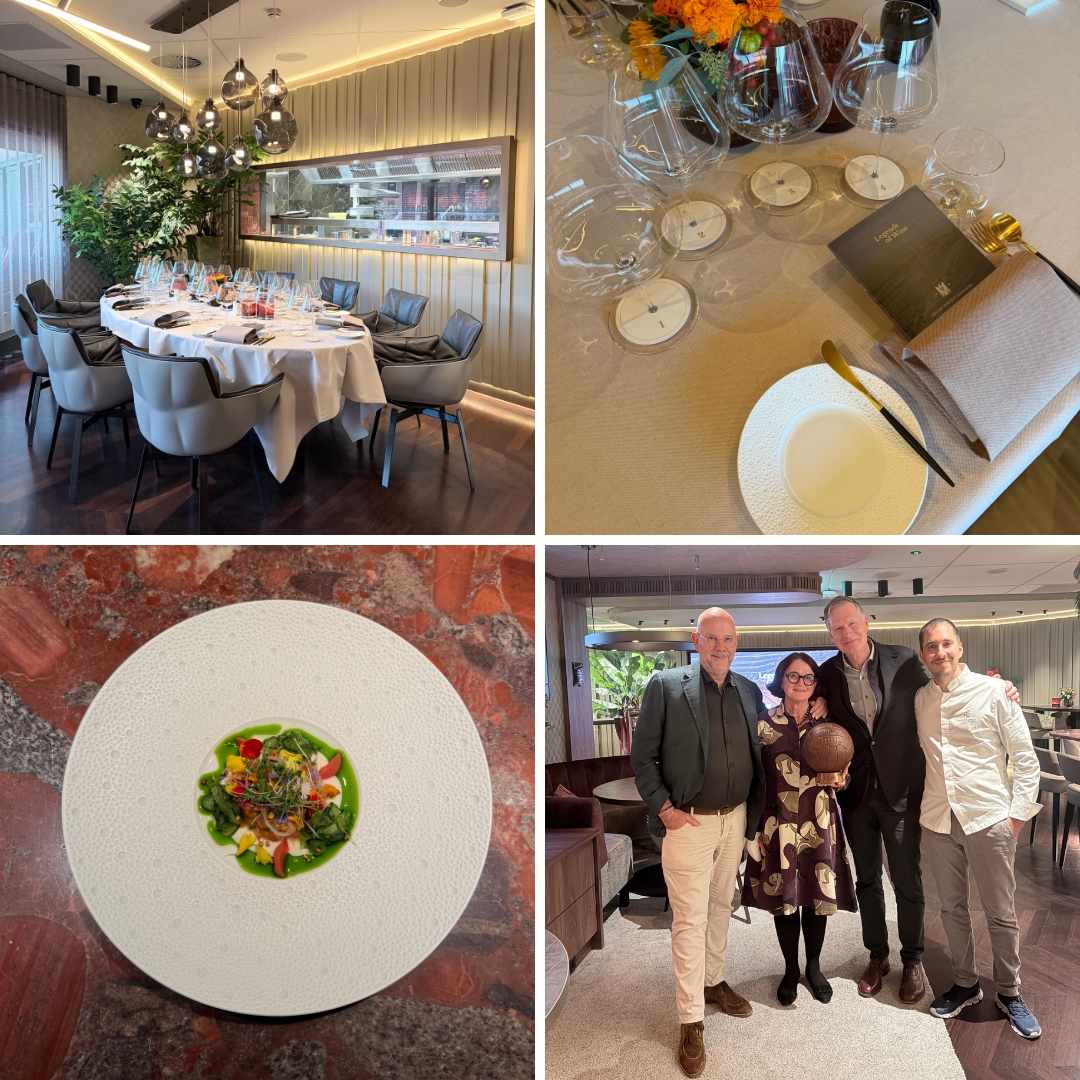
After the masterclass we were welcomed at Flore (**), where we experienced both the quality of the kitchen, the versatility of La Grande Année in seamlessly matching all sorts of courses, and the skills of head sommelier Antonello Nicastri in flawlessly pairing the courses with the wines. A natural match, considering the refinement found in both Flore’s kitchen and Bollinger’s wines.
Restaurant Flore has become a Residence for Great Wine Launches.
Flore, though relatively young – having been established in 2021 by Bas van Kranen – has already earned a strong reputation within the Dutch fine dining scene. Just a year after opening in 2022, it was already awarded two Michelin stars, along with a green star recognizing its commitment to sustainability. This distinction aligns seamlessly with Flore’s ethos: a modern cuisine centered on local vegetables, herbs, and lighter fish-based dishes, consciously moving away from heavier, dairy-driven courses. This finds a natural counterpart in Bollinger’s wines, which focus on the natural elegance and finesse of Champagne but with a tad more richness to them, allowing them to pair across a wide range of dishes. Especially more so in the more-than-capable hands of head sommelier Antonello Nicastri, recently named Sommelier of the Year 2026 by Gault&Millau.
Roos Stevens, Maitre of Flore.
Vegetables, Herbs and Fruits of the Moment
Paired with La Grande Année 2015 (DWA 95/100)
The first course perfectly reflected the month of April, featuring root vegetables such as cauliflower and radish, alongside stem vegetables like asparagus – marking the transition from winter to spring. In total 25 different vegetables were present on the plate, the exact composition of which changes weekly. The course was finished with an aged heirloom tomato sauce, bringing all elements together alongside giving freshness and richness. The 2015 vintage of Bollinger’s Grande Année was a bit closed and austere at first, which is why Antonello opted for Sydonius glasses to open up the wine – revealing notes of ripe apple, lemon, peach, and smoky nuances. Ripe, structured, dense, but with ample acidity, perfectly able to take on the earthy notes of the course, with the heirloom tomato sauce and the wine making for a perfect combination of freshness and richness.
Vegetables, Herbs, and Fruits of the Moment.
Quail, Rose Hip, Gochujang, Sichuan Pepper, Chicory
Paired with La Grande Année Rosé 2018 (DWA 96/100) & La Grande Année 2018 (DWA 95/100)
Label rouge quail, cooked to perfection, topped with radicchio and Sichuan pepper. Served alongside a spicy-sweet gochujang made from red chili powder, glutinous rice, fermented soybean powder, barley malt powder, and salt. The spicy-sweet-bitter combination worked wonderfully with the tenderness of the quail and particularly the rosé version of La Grande Année 2018 which was served beside it – with the slightly fuller-bodied aspect of the wine fully in sync with the course and gaining in intensity. The spicy nature of the sauce also emphasized the white strawberry and raspberry notes of the wine, while harmonizing with the nutmeg, anise, and white pepper notes of the wine. Very long finish too, with plenty of charm and class. Flawless, classic, and yet exciting pairing.
Blind Pouring the 1995 La Grande Annee.
As a surprise, Antonello poured the La Grande Année 2018 blind, but this time decanted two days beforehand and in a narrower, smaller glass. Many attendees (including us) noted a slightly fresher, more nuanced profile in the wine, hinting more towards yellow pears instead of peach, while not losing its slightly richer profile. A wonderful hint in what is to come for La Grande Année 2018, and a nice example of how a bit of aeration and choice in stemware can influence the wine’s profile.
Quail, Rose Hip, Gochujang, Sichuan Pepper, Chicory.
Jerusalem Artichoke, Sunflower Seed, Belgian Caviar
Paired with La Grande Année 2014 (DWA 96/100)
The last course, and one of the most special ones. Antonello masterfully suggested to the kitchen that a sorbet of Rembrandt apple could be added to create the bridge between the wine and the dessert, consisting of a caramel custard of Jerusalem artichoke and sunflower seeds, topped with Belgian caviar. The caviar added an interesting salty element to the caramel custard of Jerusalem artichoke, which itself gave a deep earthiness to the course – perfectly in line with the spirit of Flore. The course was matched with La Grande Année 2014, which was just starting to very slowly open up, showing a very classic profile of lemon, peach, fresh pear, jasmine, fresh walnut, and toast – quite linear and fresh in style (especially compared to the 2018 and 2015 vintages tasted before). It is here where the sorbet of Rembrandt apple truly shone, fully harmonizing with both the caramel custard and the wine in marrying all elements of the course together. A brilliant suggestion by Antonello, ending the afternoon on a definite high.
Jerusalem Artichoke, Sunflower Seed, Belgian Caviar.
Final Thoughts
A memorable experience, highlighting just how naturally Bollinger and Flore align in their pursuit of excellence. We were surprised by just how well Bollinger’s La Grande Année series pairs with dishes of all kinds, besides being delicious on its own. Whether aged for over 30 years, from a colder vintage or a warmer vintage, or in rosé form, all vintages brought something unique to the cuisine of Flore, harmoniously complementing one another – with the decanted 2018 vintage already giving a glimpse into how well this wine will develop. What a treat it will be to follow this wine over the years to come!
Our own Martin Bronkhorst at the Launch.
This article was written by our own Martin Bronkhorst. We would like to thank Champagne Bollinger (represented by Arthur Robbert), their Dutch importer Verbunt Verlinden (in particular Floris Verlinden and Jeroen Broos) and the team of Restaurant Flore (in particular Chef Bas van Kranen and Wine Director Antonello Nicastri).
Join our insiders’ list and get exclusive early access to new articles, expert tips, and fresh reviews delivered straight to your inbox. Subscribe now and be the first to discover!