Join Our Wine Journey – Sign Up for the Newsletter 🍷
Il Nicchio — A New Chapter for Lodovico and Sophia Antinori
Share
Deel op X (twitter)
LinkedIn
WhatsApp
Il Nicchio — A New Chapter for Lodovico and Sophia Antinori.
Lodovico and Sophia Antinori on Il Nicchio, and why the future of Tuscan wine may depend on refinement rather than expansion.
Two Encounters, One Understanding
Il Nicchio is not a project that can be understood in a single moment. The latest chapter of Lodovico Antinori—the architect behind Ornellaia, Masseto, and Biserno—brings together decades of experience with a renewed sense of direction, shaped in part by the involvement of his daughter Sophia Antinori. What emerges is not simply a continuation, but a transition: one that makes room for the next generation while responding to a changing wine landscape.
With Lodovico a new path has been forged, one that now leads to Il Nicchio.
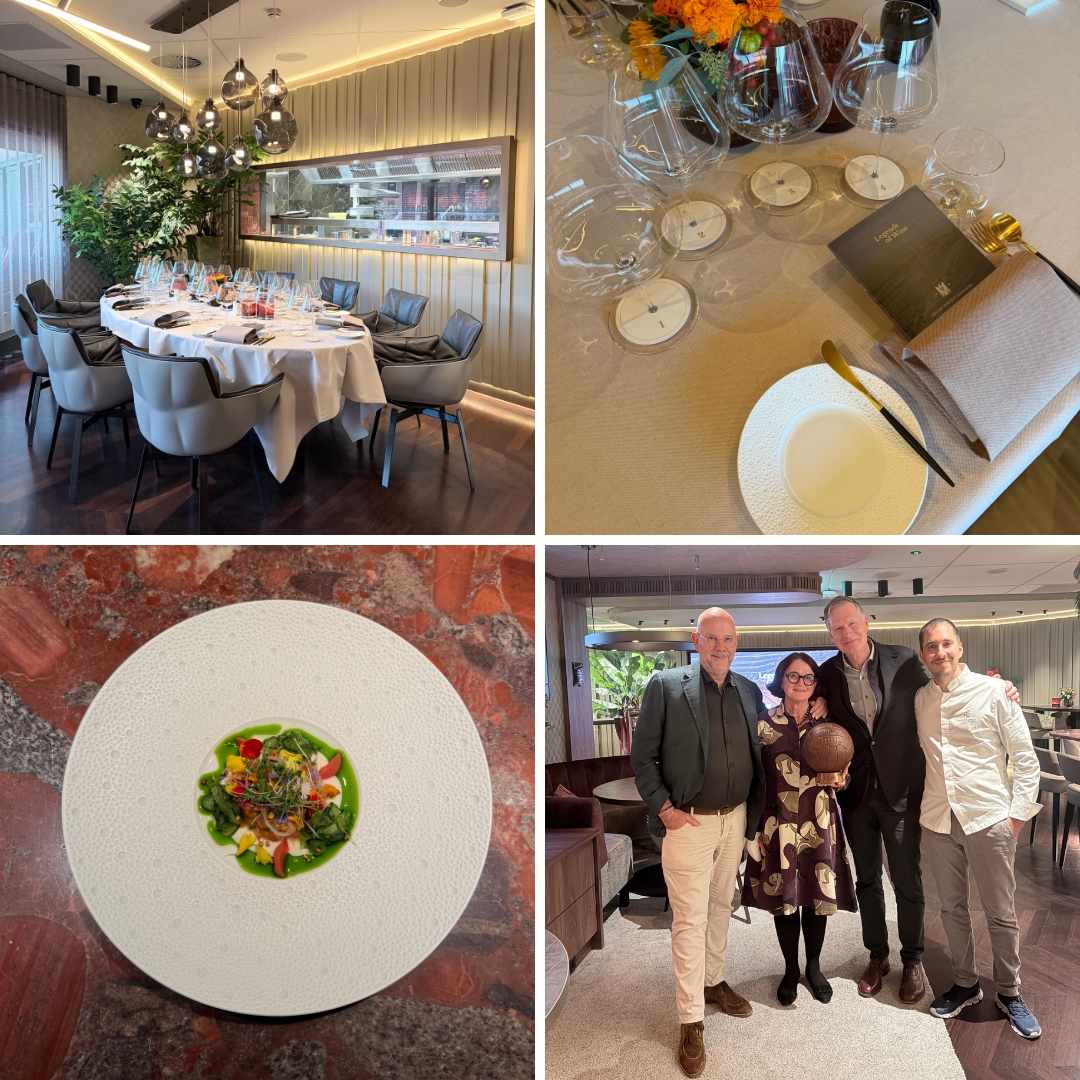
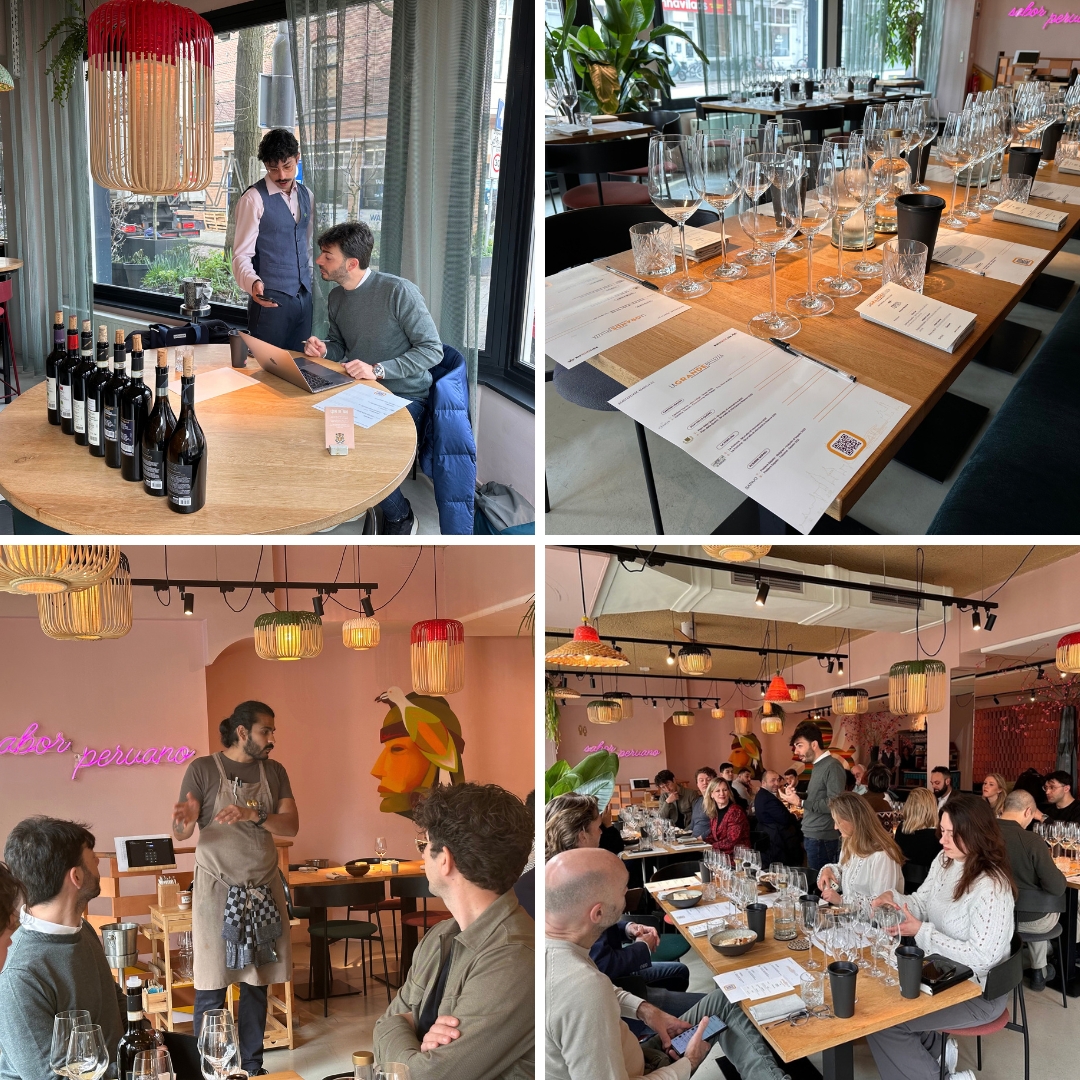
Our first introduction came during a winemaker dinner at Restaurant La Liguria in The Hague, where Sophia Antinori and commercial director Raffaele Augelli presented the wines without much context. What stood out immediately was not power or scale, but precision and restraint—qualities that felt intentional, even if the reasoning behind them was not yet clear.
During the evening, the wines were introduced with minimal framing, almost deliberately avoiding over-explanation, allowing the room to form its own interpretation before any broader narrative was attached to them.
Only later, in conversation with Lodovico and Sophia, did those first impressions begin to align with a broader idea. What initially appeared as stylistic choice revealed itself as something more deliberate: a project shaped by two generations, built on experience, but clearly looking forward.
Why Begin Again
Il Nicchio does not present itself as a continuation of what came before. Instead, it reflects a conscious decision to reassess what fine wine should represent today. Following the transition away from Tenuta di Biserno, the question for Lodovico Antinori was no longer whether to build further, but whether to build differently. Over the past decade, the landscape of fine wine has changed fundamentally, not in terms of quality, but in terms of expectation.
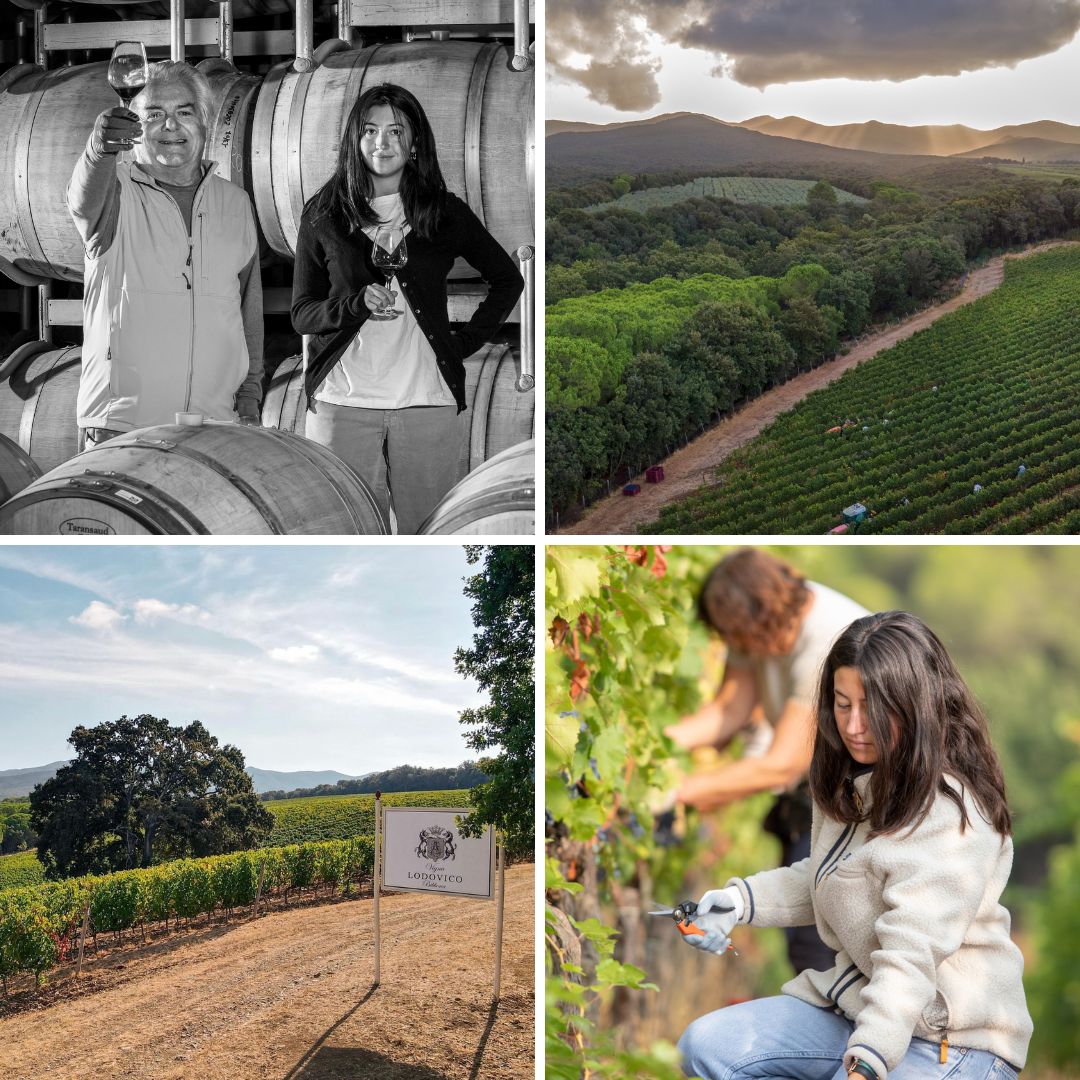
Lodovico Antinori has started a new chapter in his life with his daughter Sophia.
Where power and concentration once defined ambition, they now risk becoming technically perfect, but stylistically interchangeable. A new generation of drinkers is less interested in wines that assert themselves immediately and more drawn to those that reveal themselves over time. Within this context, Il Nicchio reads less as a new project and more as a correction—an attempt to realign style with relevance rather than tradition. The presence of Sophia is not simply part of the structure—it is part of the reason the project exists in its current form.
A Project Built Across Generations
What gives this project particular depth is the way in which it has been conceived. Rather than functioning as a traditional succession, it operates as a collaboration. Sophia’s role became most apparent in a focused exchange during the evening in The Hague. In conversation, she approached the wines with clarity and intent, less concerned with explaining how they were made, and more with how they would ultimately be understood.
Her perspective is outward-facing, focused on direct interaction with the market, in conversations with sommeliers, collectors, and merchants. This is complemented by a renewed focus on vineyard and production. Lodovico described a shift toward greater involvement, with more attention paid to detail, to the behavior of individual parcels, and to the elements that ultimately define quality.
Lodovico and Sophia Antinori.
The result is not a contrast between generations, but a convergence. One perspective grounded in experience and long-term understanding, the other shaped by immediacy and exposure. Together, they form a structure that feels both stable and adaptable, and it is precisely this dynamic that underpins the relevance of Il Nicchio today.
From Power to Precision
The stylistic direction of Il Nicchio becomes most apparent when viewed against the backdrop of Bolgheri’s evolution. The wines that established the region’s reputation were built on structure, concentration, and a degree of power that, at the time, defined international success. Today, those same qualities, when repeated without adjustment, risk becoming formulaic.
Il Nicchio represents a bridge to a new generation in wine.
At Il Nicchio, that model is not rejected, but deliberately tightened. The emphasis shifts from power to precision, from extraction to control, and from immediate impact to sustained engagement. The choice of Cabernet Franc reflects this approach. It is a grape that offers less certainty but greater potential for definition, demanding accuracy in both vineyard and cellar. In that sense, it becomes a tool not only for expression, but for discipline.
The Vineyard — Precision Begins in the Soil
If this shift is stylistic, it begins well before the cellar.
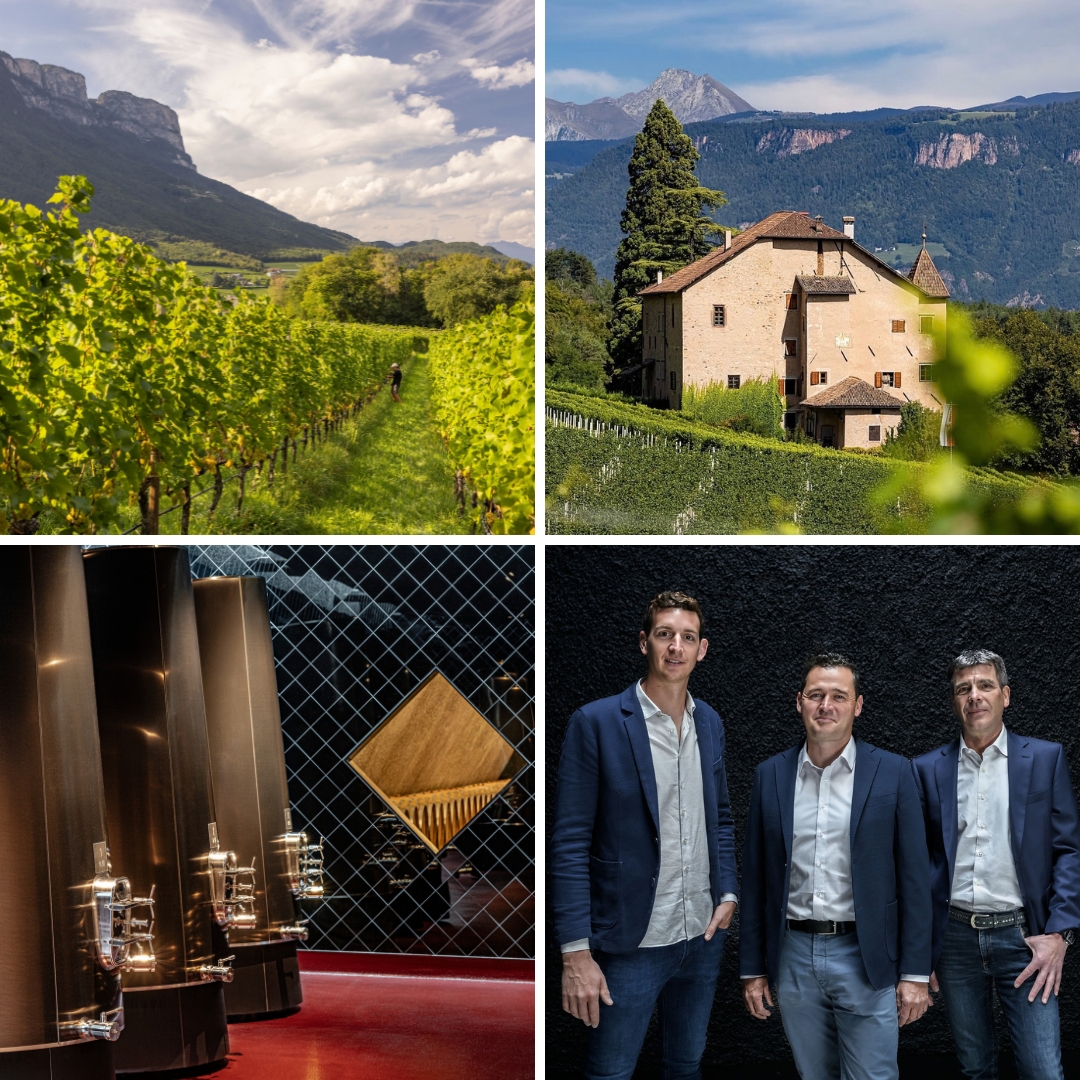
The estate sits within the narrow coastal band between Bolgheri and Bibbona, where proximity to the sea plays a defining role. Maritime influences moderate temperature extremes, preserving acidity and allowing for a longer, more controlled ripening cycle. Compared to more inland sites, where heat accumulation often drives concentration, this creates the conditions for a more measured development of fruit and structure.
Equally important is the variation within the estate itself. The soils are far from uniform, composed of different layers of clay, sand, and mineral-rich deposits that create subtle but meaningful distinctions between parcels. Rather than blending toward consistency, these differences are increasingly treated as assets, requiring selective harvesting and more precise vineyard management.
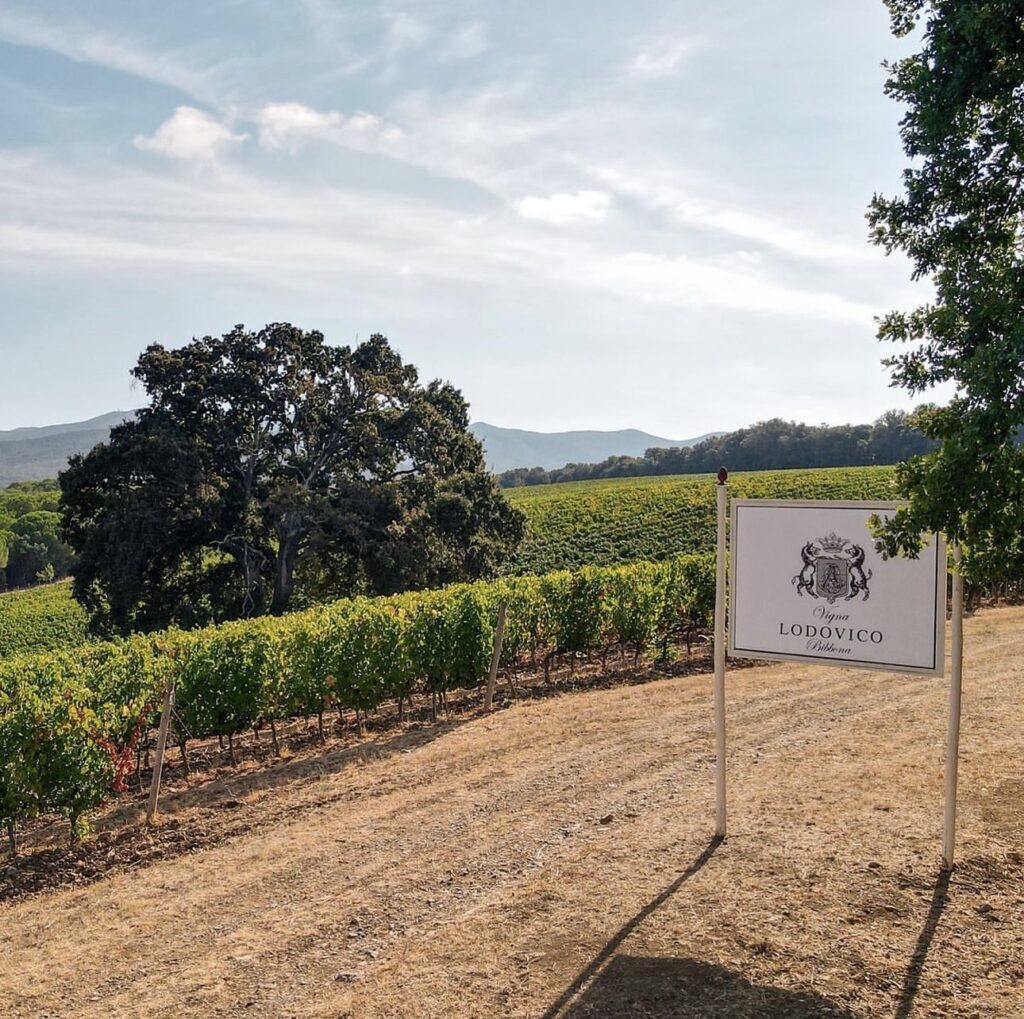
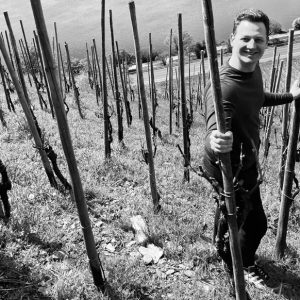
The Estate Vineyards and their Surroundings.
This is where the philosophy of Il Nicchio becomes tangible. The focus shifts away from standardization toward observation. Canopy management, yield control, and picking decisions are adapted on a parcel-by-parcel basis, with the aim of preserving balance rather than maximizing concentration.
Cabernet Franc, central to the identity of the estate, amplifies this approach. It is highly responsive to site and timing, and far less forgiving of inconsistency. As a result, the margin for error narrows, but the potential for definition increases.
In this context, precision is not imposed in the cellar—it is built in the vineyard.
The Wines — Expression in Practice
Ultimately, the ideas behind Tenuta Il Nicchio only become meaningful once they are tested in the glass. Tasted over dinner in The Hague, the wines revealed themselves less through immediate impact and more through progression, tension, and detail. Rather than relying on scale or power, each wine approached structure differently, gradually reinforcing the broader philosophy discussed throughout the evening and later during our conversation with Lodovico and Sophia Antinori.
2023 Le 2 Ville| 91/100 DWA score
Le 2 Ville provides an immediate entry point into the estate’s thinking. Aromatically, the wine is open and inviting, with red cherry, raspberry, and subtle herbal notes supported by a light floral lift. The influence of Ciliegiolo is evident in the softness of the fruit profile, while Cabernet Franc introduces structure and a lightly savoury edge.
On the palate, the wine is fluid and energetic. The entry is supple, leading into a mid-palate that balances fruit and freshness with clarity. Tannins are fine and unobtrusive, allowing the wine to maintain momentum rather than weight, and the finish is clean, lifted, and persistent. What stands out is not complexity in the traditional sense, but drinkability—achieved without sacrificing identity. It is a wine that does not attempt to prove itself, and is stronger for it.
2022 Il Nicchio | 96/100 DWA score
Il Nicchio represents the clearest articulation of the estate’s philosophy. The nose is marked by definition rather than intensity, with red currant, sour cherry, and pomegranate layered alongside graphite, crushed stone, and fine spice. There is an immediate sense of lift, suggesting careful harvesting decisions and a focus on preserving freshness.
On the palate, the wine is structured around linearity, with acidity providing a central axis that carries the fruit forward. The mid-palate reveals complexity gradually, with subtle herbal notes, mineral tension, and a restrained use of oak that supports rather than dominates. Tannins are finely grained and integrated early, contributing to a sense of control rather than weight.
The finish is long and precise, marked by freshness, a subtle saline quality, and a lingering tension that suggests further development over time. In many ways, Il Nicchio is the more exposed wine—the one that relies less on established expectation and more on its ability to define its own identity.
Il Nicchio, Lodovico Antinori’s latest project.
Lodovico — The Foundation Beneath the Shift
Before Il Nicchio can be fully understood, Lodovico needs to be placed in context.
First produced in 2007, Lodovico was conceived as a personal project, separate from the estates that defined Bolgheri’s international rise. While those wines established a region, Lodovico operated on a different level—smaller in scale, more focused, and shaped with a clearer emphasis on identity rather than representation. From the outset, it was built around Cabernet Franc, at a time when the variety held a far less prominent role within the region.
Over time, Lodovico developed a strong following among collectors, not simply because of its limited production, but because of its consistency. It became a wine that invited continuity, one that was followed across vintages and understood through evolution rather than single moments.
Within Il Nicchio, its role is not diminished, but redefined. Lodovico and Il Nicchio are not positioned as alternatives, but as complementary expressions. Where Lodovico reflects a more established interpretation of structure, depth, and ageing potential, Il Nicchio explores a more precise, more immediate expression without abandoning complexity.
In this sense, the two wines operate less as a hierarchy and more as a dialogue. Lodovico defines the reference, while Il Nicchio tests its limits.
Lodovico — Continuity Under Evolution
2013 Lodovico| 94/100 DWA score
Now fully mature, the 2013 presents a layered aromatic profile of dried black cherry, fig, tobacco, and leather, supported by earthy undertones and a touch of balsamic nuance. On the palate, the structure has softened, allowing the wine to move with elegance and composure, while acidity maintains balance and length. The wine no longer relies on its structure, but on its integration, offering a refined and complete expression.
2018 Lodovico | 96/100 DWA score
The 2018 shows a more structured expression, with darker fruit, cedar, and graphite defining the nose. On the palate, the wine is broader, with firmer tannins and a more pronounced backbone, creating a sense of contained power. The mid-palate carries depth, yet remains controlled, suggesting a wine still in transition and one that will reward further time in bottle.
2019 Lodovico | 97/100 DWA score
The 2019 stands out as the most complete expression within the lineup. The aromatics are layered and precise, moving seamlessly between ripe black fruit, floral notes, and mineral elements. On the palate, the wine achieves a rare balance between concentration and control, with polished tannins and integrated acidity supporting a long, composed finish. Everything aligns without excess, resulting in a wine that defines its own equilibrium.
2021 Lodovico | 97/100 DWA score
The 2021 remains in its early stages, presenting a tighter and more focused profile. Fresh red and black fruit are accompanied by a pronounced mineral edge and a subtle herbal lift. The structure is firm, with tannins that will require time to integrate, yet there is already a sense of precision that mirrors the broader stylistic direction of the estate. It is a wine built for longevity, with clarity of purpose evident from the outset.
Lodovico, by Lodovico Antinori.
Scale as a Structural Choice
One of the defining characteristics of Il Nicchio lies in its approach to production, which is governed not by demand but by principle. Volumes are fixed, with Lodovico remaining at 10,000 bottles and Il Nicchio expected to reach approximately 30,000 at maturity. These limits are not flexible targets, but structural decisions rooted in the belief that identity is inseparable from scale.
The capacity of the vineyard defines the wine, and exceeding that capacity would inevitably alter its character. In this context, restraint becomes a defining element of quality rather than a limitation.
Positioning — Between Expectation and Relevance
If Il Nicchio is built on refinement, its positioning in the market reflects the same discipline.
The fine wine segment has long been driven by recognition, scarcity, and established hierarchy, where continuity often reinforces value. At the same time, a shift is underway. A new generation of collectors is entering the market with fewer predefined loyalties and a greater sensitivity to style.
Within this context, the dual structure of Lodovico and Il Nicchio becomes particularly effective. Lodovico speaks to an audience that values continuity, structure, and proven ageing potential, supported by a track record that has been built over time. Il Nicchio, by contrast, engages a different mindset. Its emphasis on clarity, freshness, and tension aligns more closely with evolving preferences, particularly in markets where drinkability and versatility are becoming increasingly relevant.
Lodovico and Il Nicchio form a complimentary duo, catering to a different taste, through a shared philosophy.
The two wines do not compete for the same position; they extend the estate’s reach across different audiences.
At the same time, the decision to maintain strict production limits reinforces this positioning. In a market where expansion often follows success, restraint becomes a differentiator. It signals confidence not only in the wines themselves, but in the long-term identity of the estate.
Il Nicchio does not attempt to dominate the market. It positions itself to remain relevant within it.
What This Means for Tuscan Wine
Il Nicchio does not attempt to redefine Tuscany outright, but it does place the region within a different perspective. The wines suggest a shift away from the parameters that once defined success—away from scale and immediate impact, and toward precision, control, and long-term engagement.
What began, for us, as a first impression at the table in The Hague—wines defined by restraint and clarity—found its explanation later in conversation. The connection between those two moments ultimately defines the project itself. It is not built around a single idea, but around a dialogue: between vineyard and market, between experience and observation, and most notably, between Lodovico and Sophia Antinori.
Having put Tuscany on the map it is now time for Lodovico to reconsider the position of the region in the world of fine wine.
In that sense, Il Nicchio is less about introducing something entirely new, and more about refining what already exists—through a shared understanding of where fine wine stands today, and where it is quietly moving next. It suggests that the next chapter of Tuscan fine wine will not be written by those who expand it—but by those who choose to refine it.
This article, written by our own Niels Aarts, draws on firsthand experiences from an intimate winemaker dinner at Restaurant La Liguria, hosted by Sophia Antinori and Raffaele Augelli, as well as a personal interview with Lodovico and Sophia Antinori.
Il Nicchio and Lodovico wines are imported into the Netherlands by our partner Wine & Spirits and are available to professionals directly, and to consumers through the Gastrovino retail network.
We extend our sincere thanks to Wine & Spirits, Restaurant La Liguria, Lodovico and Sophia Antinori, and Raffaele Augelli for their generous invitation, time, and support.
Join our insiders’ list and get exclusive early access to new articles, expert tips, and fresh reviews delivered straight to your inbox. Subscribe now and be the first to discover!