Join Our Wine Journey – Sign Up for the Newsletter 🍷
An Afternoon Where Peru Meets Italy
Share
Deel op X (twitter)
LinkedIn
WhatsApp
An Afternoon Where Peru Meets Italy.
Exploring the wines of Alto Adige, Montalcino and Bolgheri during La Grande Bellezza Tour, organized by WinesCritic at Nazka in Amsterdam.
Italian wines and Peruvian cuisine may not be the most obvious combination, but sometimes the most memorable gastronomic experiences emerge when different culinary traditions meet. During La Grande Bellezza Tour’s visit to Amsterdam, four Italian wine producers gathered at Restaurant Nazka for an afternoon that brought together the freshness of Alto Adige, the elegance of Montalcino and the generosity of Bolgheri, accompanied by the vibrant flavours of contemporary Peruvian cooking, created by Chef Koosh Kothari.
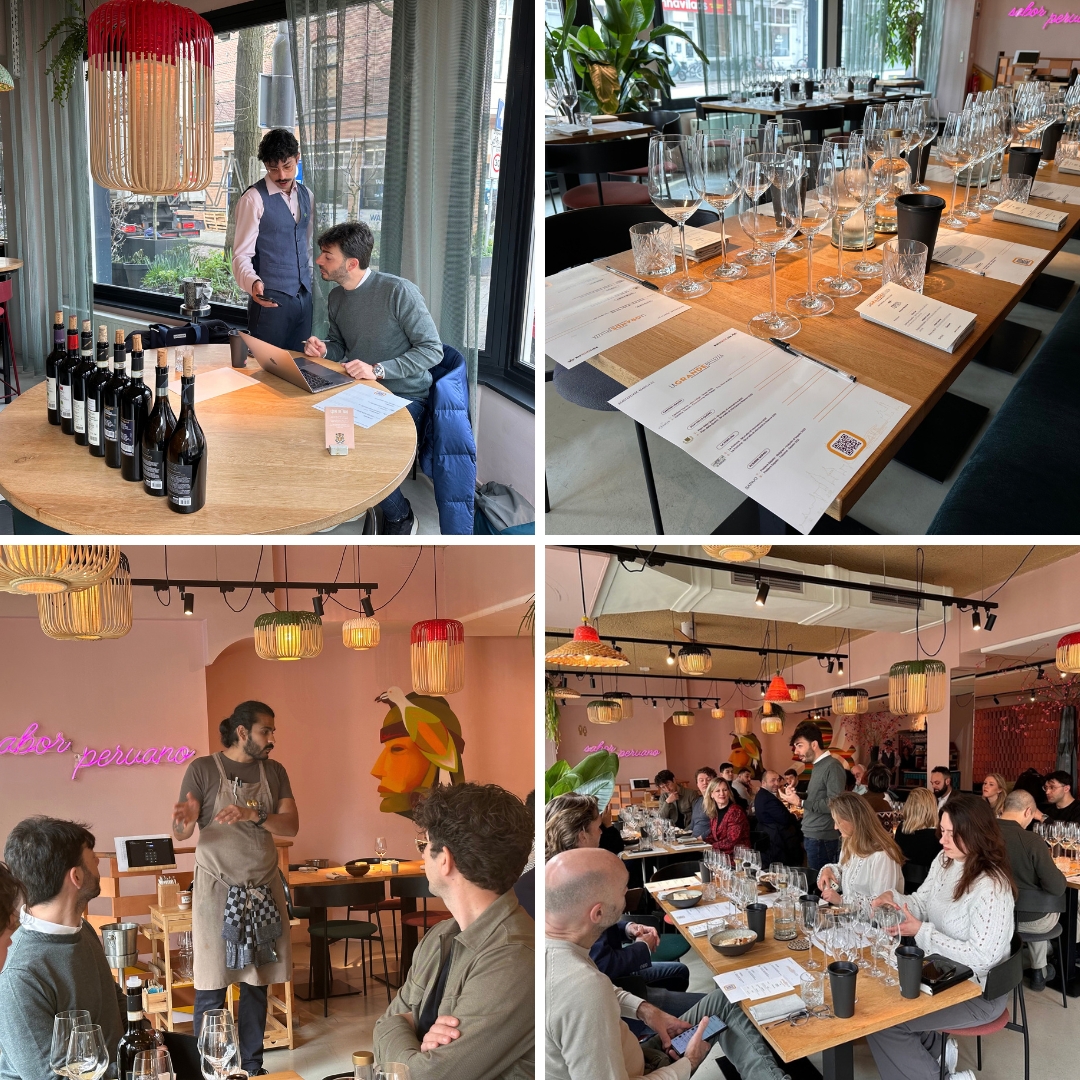
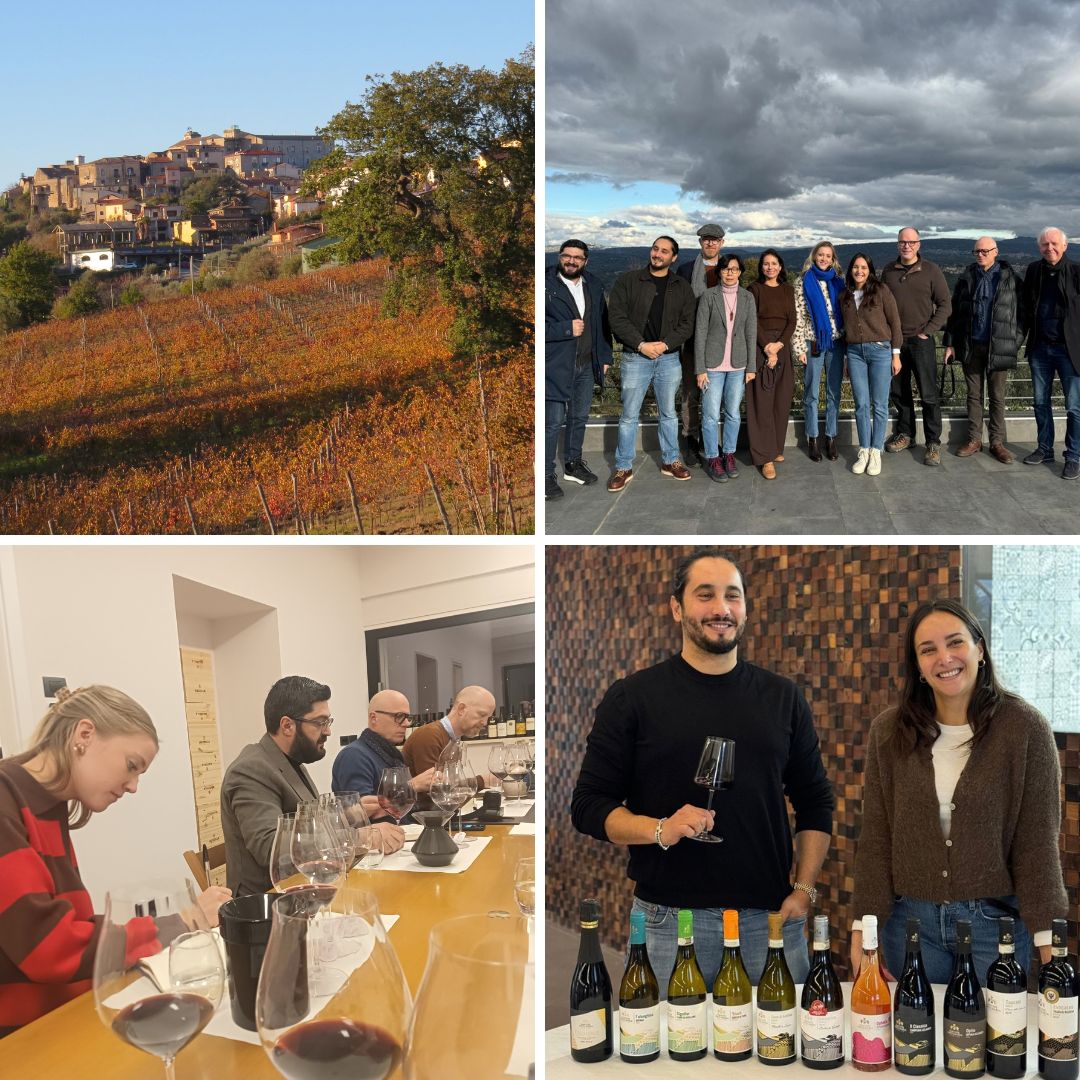
On a midweek afternoon, Nazka provided an inviting setting for an exploration of Italy’s remarkable diversity. Eight wines from four producers, each with their own history and approach to winemaking, offered an opportunity to travel from the Alpine vineyards of South Tyrol to the rolling hills and coastal landscapes of Tuscany, without ever leaving the table.
WineCritic and Nazka joined forces for an afternoon filled with Italian wines and Peruvian dishes.
Guiding us through this journey were Raffaele and Federica of WinesCritic, whose knowledge and enthusiasm brought additional perspective to the wines and the stories behind them. A special mention also goes to Nazka’s sommelier, Alessandro Tondini, whose expertise, attentive hospitality and unmistakable Italian warmth contributed greatly to the atmosphere of the afternoon. Together, they created an environment in which the wines could be explored through conversation, shared observations and a genuine appreciation of their origins.
What made the occasion particularly interesting was the contrast between the wines and the cuisine. Peruvian cooking, with its pronounced acidity, aromatic spices and playful combinations of texture and flavour, presents a different context for Italian wines than the more familiar Mediterranean table. Yet throughout the afternoon, these differences frequently proved complementary.
Alto Adige: Alpine Freshness and Precision
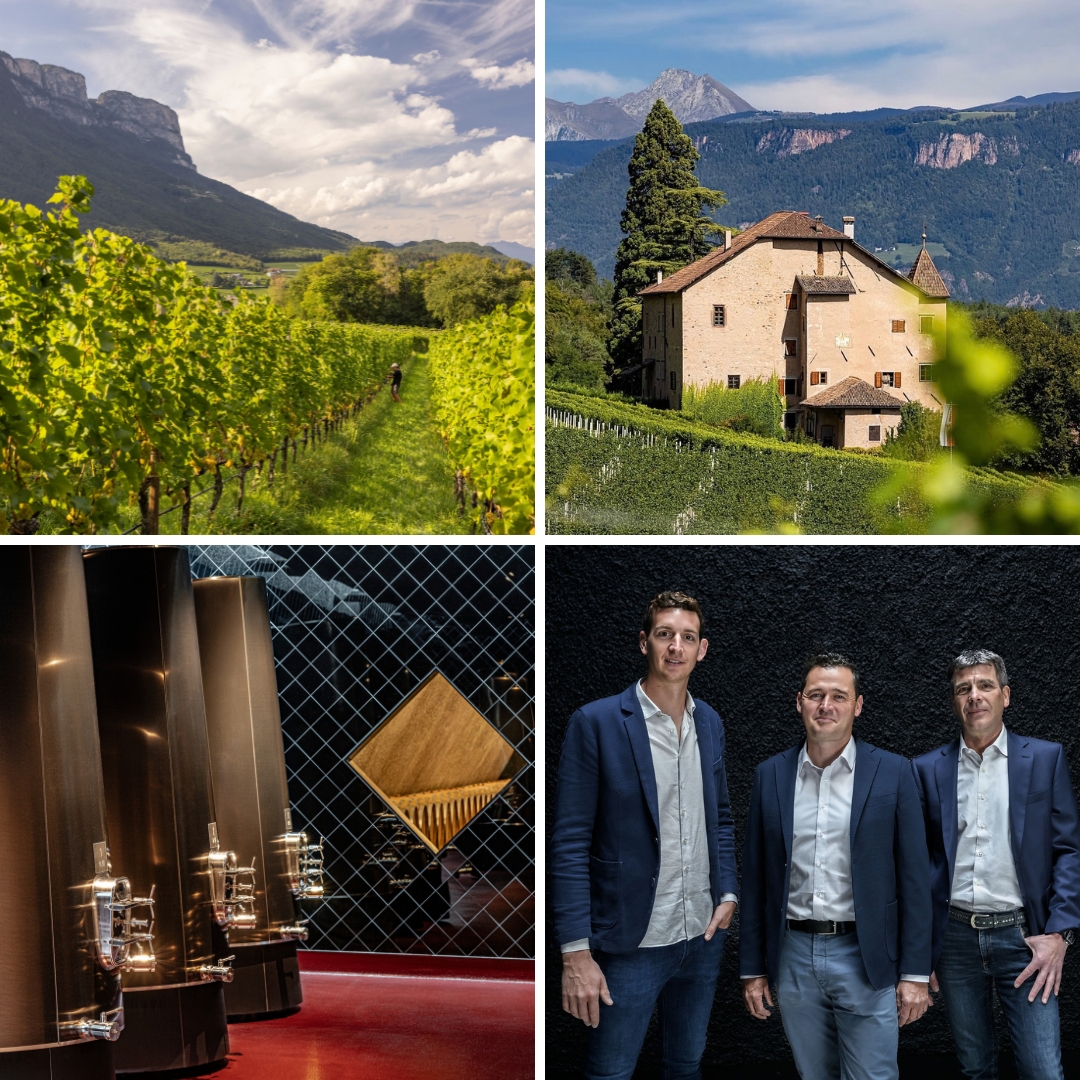
The tasting began in northern Italy with Cantina Tramin, one of Alto Adige’s most respected wine cooperatives. Founded in 1898, the cooperative brings together approximately 160 winegrowing families whose vineyards are scattered across the varied landscape surrounding the village of Tramin, or Termeno, in South Tyrol.
Alto Adige occupies a fascinating position in the Italian wine landscape. Here, Alpine and Mediterranean influences converge, creating conditions that are particularly favorable for aromatic white varieties. Vineyards situated at different elevations benefit from significant temperature variations between day and night, allowing grapes to develop aromatic complexity while retaining the acidity that gives the region’s wines their characteristic freshness.
Under the guidance of winemaker Willi Stürz, Cantina Tramin has established an international reputation for wines that combine technical precision with a strong sense of regional identity. Although Gewürztraminer is perhaps the variety most closely associated with the village, the cooperative’s ambitions extend across several white varieties, as demonstrated by the two wines presented during lunch.
The Cantina Tramin Stoan 2023 opened the afternoon. A blend of Chardonnay, Sauvignon Blanc, Pinot Bianco and Gewürztraminer, it brought together four varieties with distinctive personalities. Chardonnay provided structure, Sauvignon Blanc contributed freshness and herbal character, Pinot Bianco added subtlety, while Gewürztraminer introduced an aromatic dimension.
In the glass, the wine was fresh, herbal and mineral, with an appealing sense of precision. There was sufficient complexity to keep us interested, yet its lively character made it particularly inviting as an opening wine. It was a convincing introduction to the qualities that have made Alto Adige such a compelling region for white wine.
The Cantina Tramin Troy Chardonnay Riserva 2023 offered a different perspective. Richer and fuller than Stoan, it demonstrated the more substantial side of Chardonnay, with greater concentration and texture. This was a wine that encouraged a slower approach, allowing its character to unfold gradually in the glass.
Together, the two wines illustrated the versatility of Alto Adige. While Stoan emphasized freshness and aromatic interplay, Troy showed how Chardonnay can develop considerable depth without abandoning the elegance associated with its Alpine origins.
Montalcino: Two Families and the Many Faces of Sangiovese
From the mountains of Alto Adige, our journey continued south to Tuscany, where two family-owned producers presented their interpretations of Brunello di Montalcino.
Few Italian appellations are as closely associated with a single grape variety as Montalcino is with Sangiovese. Brunello is produced exclusively from this variety, yet the wines can differ considerably depending on vineyard location, altitude, soil composition and winemaking philosophy. The landscape surrounding Montalcino is remarkably varied, with vineyards occupying different elevations and exposures. These differences, combined with the decisions made by individual producers, help explain why Brunello can range from fragrant and approachable to powerful, structured and capable of decades of development.
Tasting wines from Pian delle Querci and La Fortuna side by side provided an opportunity to appreciate some of these nuances.
Italy’s wine diversity made for an interesting tasting session.
Pian delle Querci: Four Generations of Tuscan Tradition
Pian delle Querci is a family-owned estate whose history spans four generations of the Pinti family. Situated in the hills of Montalcino, the property has remained closely connected to the agricultural traditions of the region.
Its vineyards lie at approximately 250 metres above sea level, on clay-rich soils containing a considerable proportion of stones and other coarse material. In the cellar, the family favours a traditional approach, with slow fermentations in stainless steel without added commercial yeasts, followed by maturation in large Slavonian oak casks. This philosophy places the emphasis firmly on Sangiovese and its ability to express the character of the vineyards.
The Pian delle Querci Brunello di Montalcino 2021 was surprisingly open and approachable for such a young wine. Aromas of ripe cherry were accompanied by a delicate floral note reminiscent of rose petals, while the palate was smooth and inviting.
There was an appealing generosity to the wine, making it immediately enjoyable without sacrificing the freshness that gives Sangiovese its distinctive personality. Although still youthful, it already showed considerable charm.
The Pian delle Querci Brunello di Montalcino Riserva presented a more contemplative expression. Earthy aromas, together with notes of tobacco and leather, gave the wine a more savoury and developed character. Compared with the regular Brunello, it appeared more serious and structured, rewarding a little patience in the glass.
The distinction between the two wines also reflected the different ambitions behind Brunello and Brunello Riserva. The latter requires an additional year of ageing before release and is generally reserved for wines that producers believe possess the concentration and structure necessary for longer development.
At Pian delle Querci, this philosophy is particularly relevant, as the estate produces its Riserva selectively, choosing vintages that it considers sufficiently distinguished.
La Fortuna: A Family Story Dating Back to 1907
Our second encounter with Montalcino came through La Fortuna, another family estate with a history deeply intertwined with the region.
The Zannoni family’s connection to the property began in 1907, when Angiolino Zannoni arrived at the farm. According to the family’s history, the estate’s name originated from a fortunate card game through which the land had changed hands, giving La Fortuna a story as distinctive as its name. The family’s involvement in wine developed significantly during the twentieth century. Gino Zannoni was among the founding members of the Consorzio del Vino Brunello di Montalcino in 1967, placing the family within the generation of producers who helped establish Brunello’s modern identity.
Today, La Fortuna continues to be managed by the Zannoni family, with vineyards around Montalcino and Castelnuovo dell’Abate. Its wines reflect a commitment to Sangiovese and the traditions that have shaped the appellation over the decades.
The La Fortuna Brunello di Montalcino 2021 offered a fresh and lively interpretation of the variety. There was a youthful energy to the wine, with a sense of vitality that made it particularly engaging.
Compared with Pian delle Querci’s expression of the same vintage, La Fortuna appeared somewhat more driven by freshness, providing an interesting demonstration of how two producers working within the same appellation can arrive at different stylistic interpretations.
The La Fortuna Brunello di Montalcino Riserva 2019 introduced greater depth and structure. Firmer and more concentrated, it showed the more serious side of Brunello, with a well-defined framework suggesting considerable potential for further development.
The 2019 vintage is widely regarded as a particularly successful year in Montalcino, combining favorable growing conditions with the balance necessary for wines intended to mature over time. La Fortuna’s Riserva reflected this character, offering a structured and confident expression of Sangiovese.
Tasting these four Brunello’s together was one of the afternoon’s most rewarding experiences. Beyond the individual qualities of each wine, the comparison demonstrated how family traditions, vineyard conditions and cellar decisions continue to shape the identity of Montalcino.
Wine professionals from the Netherlands gathered at Nazka for the tasting and lunch.
Bolgheri: Tuscany’s Bordeaux-Inspired Expression
The final wines of the afternoon took us west, towards the Tuscan coast and the vineyards of Bolgheri. Although geographically part of Tuscany, Bolgheri represents a rather different approach to winemaking than Montalcino. Here, international varieties such as Cabernet Sauvignon, Merlot, Cabernet Franc and Petit Verdot have become central to the region’s identity.
The proximity of the Tyrrhenian Sea provides a moderating influence on the climate, while the area’s diverse soils offer conditions well suited to these varieties. Over the past several decades, Bolgheri has developed an international reputation for wines that combine concentration and structure with a distinctive Mediterranean character.
Among the producers contributing to this reputation is Podere Sapaio, founded in 1999 by Massimo Piccin.
Compared with the long-established family estates of Montalcino, Sapaio is a relatively young project. Nevertheless, its approach is firmly rooted in the potential of the Bolgheri territory, with a focus on carefully composed blends that express the richness and complexity of the region. The estate produces two principal wines, Volpolo and Sapaio, each representing a different interpretation of its vineyards.
The Podere Sapaio Volpolo Bolgheri DOC 2023 was warm and approachable, with inviting aromas of cassis and a subtle suggestion of cocoa. The palate was generous and rounded, offering plenty of immediate pleasure. It was a wine that felt comfortable in its own character, combining the richness associated with Bolgheri with an accessible and enjoyable style.
The Podere Sapaio Sapaio Toscana IGT 2021 moved into more ambitious territory. Concentrated, layered and structured, it displayed greater depth and intensity, demanding more attention as it developed in the glass. There was a clear sense of purpose to the wine, with its richness balanced by a firm structure. It was the kind of red that encouraged a second pour, not simply for its generosity, but because there was more to discover with every return to the glass.
The contrast between Volpolo and Sapaio offered a fitting conclusion to the Italian wine journey. Where the former emphasized approachability and immediate enjoyment, the latter demonstrated the complexity and ageing potential that have helped establish Bolgheri among Italy’s most respected wine regions.
The wine selection for the afternoon.
Nazka: Peru’s Culinary Identity in Amsterdam
While the wines took us across Italy, the kitchen at Nazka remained firmly rooted in the flavours and traditions of Peru.
Peruvian cuisine is among the most diverse in South America, shaped by Indigenous ingredients and centuries of cultural exchange. Spanish, African, Chinese and Japanese influences have all contributed to its development, resulting in a culinary tradition characterized by vibrant acidity, aromatic spices, fresh herbs and contrasting textures.
Nazka draws on this heritage while approaching it with a contemporary perspective. Rather than relying exclusively on traditional preparations, the kitchen combines familiar Peruvian ingredients with modern techniques and carefully considered presentations.
The lunch began with pani puri, served as an amuse-bouche. Small, crisp and citrus-driven, it provided a lively opening, immediately awakening the palate. Although pani puri originates from Indian cuisine, its appearance here reflected Nazka’s willingness to draw inspiration from beyond Peru while maintaining a coherent culinary identity.
Salmon Tiradito.
Next came the salmon tiradito, accompanied by cashew nuts, basil oil and leche de tigre, the citrus-based marinade commonly associated with Peruvian seafood preparations. Tiradito is a particularly interesting expression of Peru’s Japanese culinary influence, combining the precision of thinly sliced raw fish with the vibrant acidity of Peruvian dressings.
Nazka’s interpretation was beautifully balanced. The richness of the salmon found a natural counterpoint in the citrus-driven tiger’s milk, while the cashew nuts introduced texture and the basil oil contributed an aromatic layer.
It was also the kind of dish that demonstrated the versatility of Alto Adige’s white wines. Their freshness and aromatic precision provided an appealing contrast to the richness of the fish, while the acidity of the dish encouraged the wines to reveal their own structure and texture.
The following course, Papa a la Nazka, was more playful in character. Potato churros were served with ají amarillo and mango pickle, creating a combination of richness, spice, sweetness and acidity. Ají amarillo is one of Peru’s defining ingredients, valued not only for its heat but also for its distinctive fruity character. In this dish, its aromatic warmth worked alongside the sweet-and-sour elements of the mango pickle, while the potato provided a comforting foundation.
It was an imaginative preparation that demonstrated how Nazka can transform familiar ingredients into something unexpected without losing sight of their original character.
When the Wines Met the Food
The main course, Pato y Seco, brought together duck breast, parsnip and a seco-spiced jus. Seco is a traditional Peruvian preparation associated with richly seasoned meat dishes, often incorporating herbs and spices. Nazka’s interpretation retained this savoury depth while presenting the duck in a refined, contemporary manner.
The richness of the meat, combined with the aromatic complexity of the jus, created a natural opportunity to explore the Tuscan red wines.
The Brunello’s, with their characteristic acidity and savoury nuances, seemed particularly well suited to the dish’s balance of richness and spice. Their structure provided contrast without overwhelming the more delicate elements, while the Bolgheri wines offered a different experience through their greater concentration and fuller body.
What made the combination interesting was not the pursuit of one perfect pairing, but the opportunity to observe how wines with very different personalities responded to the same culinary setting.
The experience also highlighted the importance of texture in food and wine pairing. Acidity, tannin, body and aromatic intensity all influence how a wine interacts with a dish, and Nazka’s cooking provided plenty of opportunities to explore these relationships.
By this stage of the afternoon, the initial contrast between Italian wines and Peruvian cuisine no longer seemed particularly unusual. Instead, the different traditions had found common ground through their shared emphasis on flavour, balance and the quality of their ingredients.
An Afternoon That Celebrated Diversity
Looking back on the afternoon, La Grande Bellezza Tour offered more than an opportunity to taste eight Italian wines. It provided an engaging introduction to three distinctive wine regions and the people and philosophies behind them.
Cantina Tramin demonstrated the precision and versatility of Alto Adige, where Alpine conditions contribute to white wines of remarkable freshness and complexity. Pian delle Querci and La Fortuna revealed different expressions of Montalcino, illustrating how Sangiovese can combine youthful charm with the structure and depth necessary for extended ageing. Podere Sapaio, meanwhile, offered a compelling perspective on Bolgheri, where international grape varieties have become part of a distinctly Tuscan wine identity.
Each producer brought something different to the table, yet together they illustrated the diversity that makes Italian wine so fascinating.
The combination of Italian wines and Peruvian dishes created a lasting impression.
Nazka proved to be an equally important part of the experience. Its kitchen approached Peruvian flavours with confidence and creativity, presenting dishes that were expressive without becoming unnecessarily complicated. From the freshness of the salmon tiradito to the playful combination of potato, ají amarillo and mango, and finally the savoury richness of the duck, the menu provided an engaging culinary counterpart to the wines.
Perhaps the most enjoyable aspect of the afternoon was the absence of any need to make these different traditions conform to one another. The Italian wines retained their regional identities, while Nazka’s cooking remained unmistakably inspired by Peru. The pleasure came from discovering how naturally the two could coexist.
Wine, after all, is not only an expression of its place of origin. It also becomes part of the setting in which it is enjoyed, shaped by the food, the company and the conversations around the table.
On this particular afternoon in Amsterdam, Peru and Italy proved to be excellent companions. And Nazka certainly gave us a good reason to return.
This article is written by our own Janne van Lieshout. We would like to thank WinesCritic, Raffaele and Federica, of course all participating wineries and Restaurant Nazka, Koosh and Alessandro.
Join our insiders’ list and get exclusive early access to new articles, expert tips, and fresh reviews delivered straight to your inbox. Subscribe now and be the first to discover!