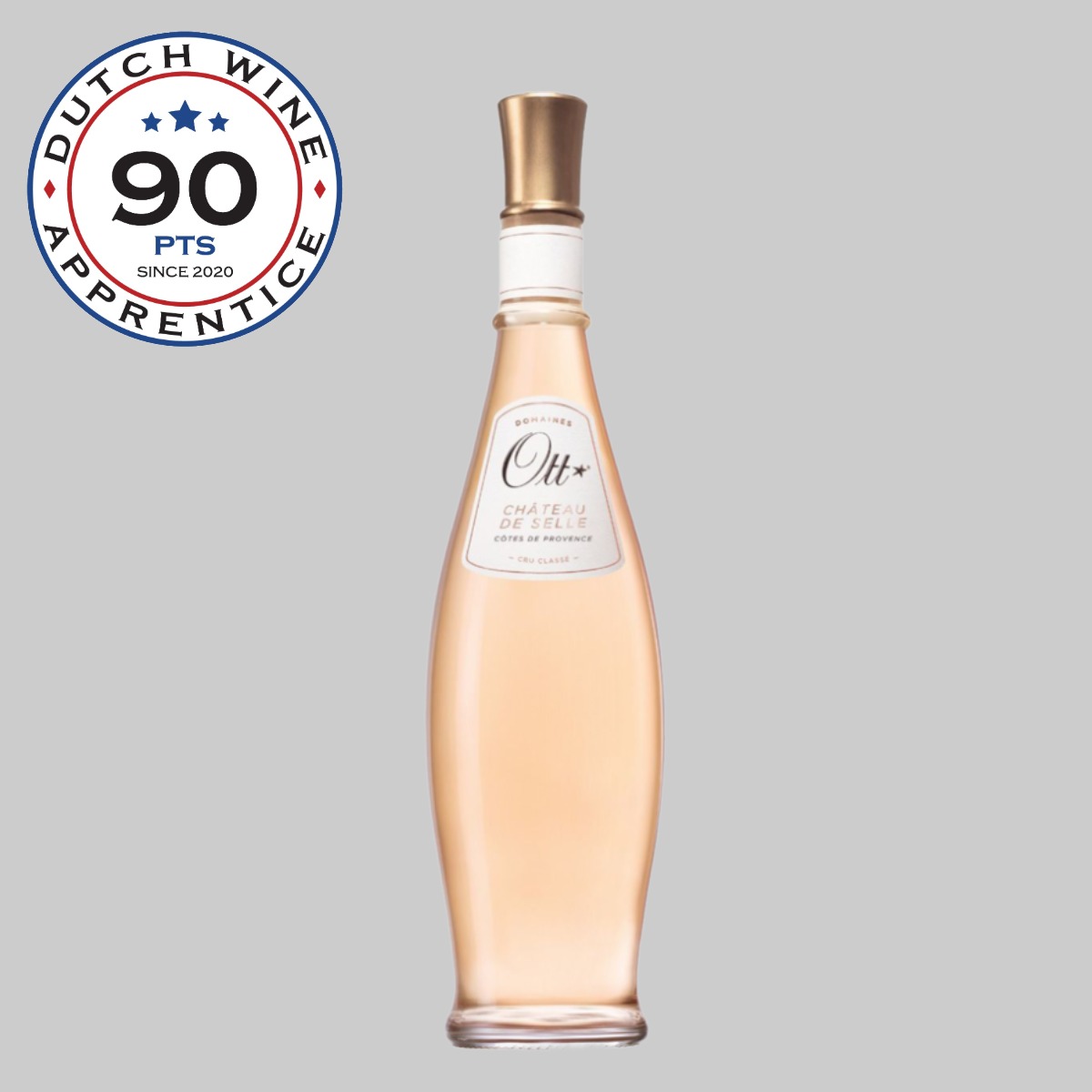
Domaines Ott – 2024 Château de Selle Rosé
Rose
France
Provence
Grenache, Rose blend
Spiegelau Definition Universal
42.95 EURO


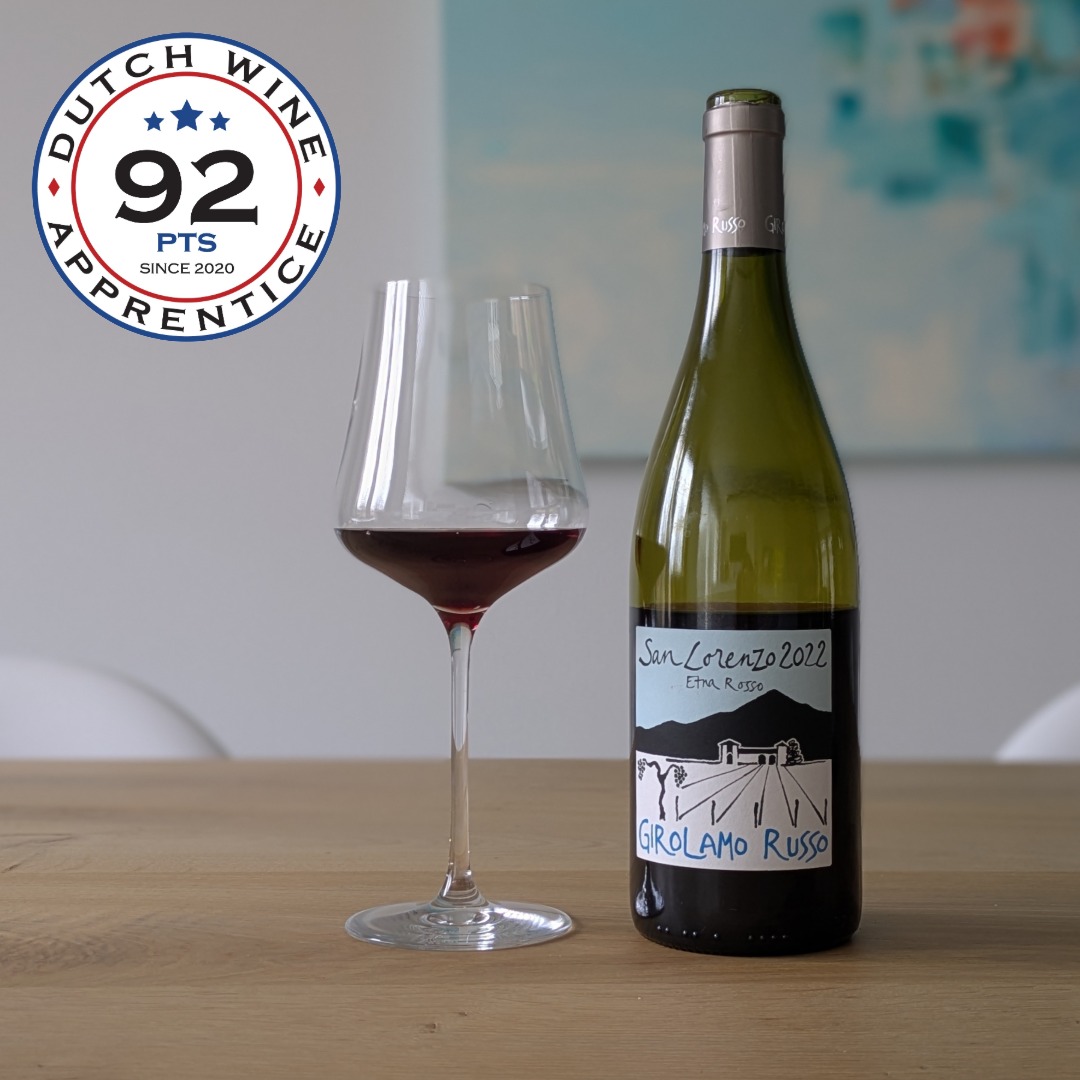
The northern slopes of Mount Etna rank among Europe’s most dynamic wine landscapes, where altitude, volcanic soils, and old vines shape wines defined by structure and tension. Girolamo Russo focuses on a restrained, detail-oriented approach. Under Giuseppe Russo, the estate is organically farmed, with winemaking decisions aimed at clarity rather than intervention.
San Lorenzo, one of the estate’s highest and oldest contrade, is widely considered a benchmark site within the appellation. The Etna Rosso from this vineyard is an example of how Nerello Mascalese articulates volcanic terroir at elevation.
Girolamo Russo has been led by Giuseppe Russo since 2004, when he took over the estate following his father Girolamo’s death. While his father sold grapes and worked conventionally, Giuseppe shifted the estate toward organic viticulture; the winery is now certified organic.
The estate today covers around 16 hectares across different contrade (districts): San Lorenzo, Feudo, Feudo di Mezzo, and Calderara Sottana. These sites range from roughly 650 to 780 meters in altitude, contributing to the estate’s varied expression of Etna’s northern slopes.
Trained as a classical pianist, Giuseppe Russo approaches winemaking with a similar attention to precision and structure. The focus is on balance and clarity of terroir expression, with intervention kept deliberately restrained.
The vineyards of Girolamo Russo are located on the northern slopes of Mount Etna, defined by a volcanic terroir. San Lorenzo is the highest parcel, at around 750 meters above sea level. San Lorenzo is also the oldest site, planted with vines from 70 to over 100 years old. Altitude, old vines, and volcanic soils result in low yields and concentrated fruit, forcing the vines to work hard to extract depth from the soil.
During the 1981 eruption, the estate narrowly avoided lava flows. This was fortunate, because it can take hundreds of years for a terroir to become fertile again after a volcanic eruption due to the lava flow.
This Etna Rosso consists for 98% of Nerello Mascalese and is supplemented with Nerello Cappuccio, a classic blend for the appellation. Nerello Mascalese adds acidity and structure to the wine and must represent at least 80% of the blend under Etna Rosso DOC rules, while Nerello Cappuccio contributes additional tannin and aromatic depth.
Fermentation includes around 13 days of skin contact in stainless steel, followed by malolactic fermentation in oak. The wine is aged for approximately 20 months in French oak, with around 30% new oak, followed by a minimum of six months of bottle ageing.
The nose is restrained yet intricately layered, opening with notes of thyme and rosemary, intertwined with red forest fruit and a delicate balsamic lift. Subtle hints of stewed fruit add depth, while a distinct mineral tension and a gently bitter, peppery nuance provide definition and complexity.
On the palate, firm tannins frame the wine’s concentrated core, promising greater harmony with continued cellar ageing. The structure is precise and well-proportioned, with vibrant freshness — a clear expression of altitude and volcanic soils — carrying the wine through a focused, persistent finish. Acidity and phenolic grip suggest a long and steady evolution ahead.
We reward this Etna Rosso with a 92/100 DWA Score. A compelling regional benchmark, marked by precision, structural integrity, and transparent terroir expression.
This review is written by our own Paola Oomen. This wine, and other wines from Girolamo Russo, are imported by Verkerk Wijnimport and can be bought at Enoteca Sprezzatura.
Taste Date: February 2026
Website: Girolamo Russo


Join our insiders’ list and get exclusive early access to new articles, expert tips, and fresh reviews delivered straight to your inbox. Subscribe now and be the first to discover!
Subscribe for curated content, podcast alerts and honest wine reviews.