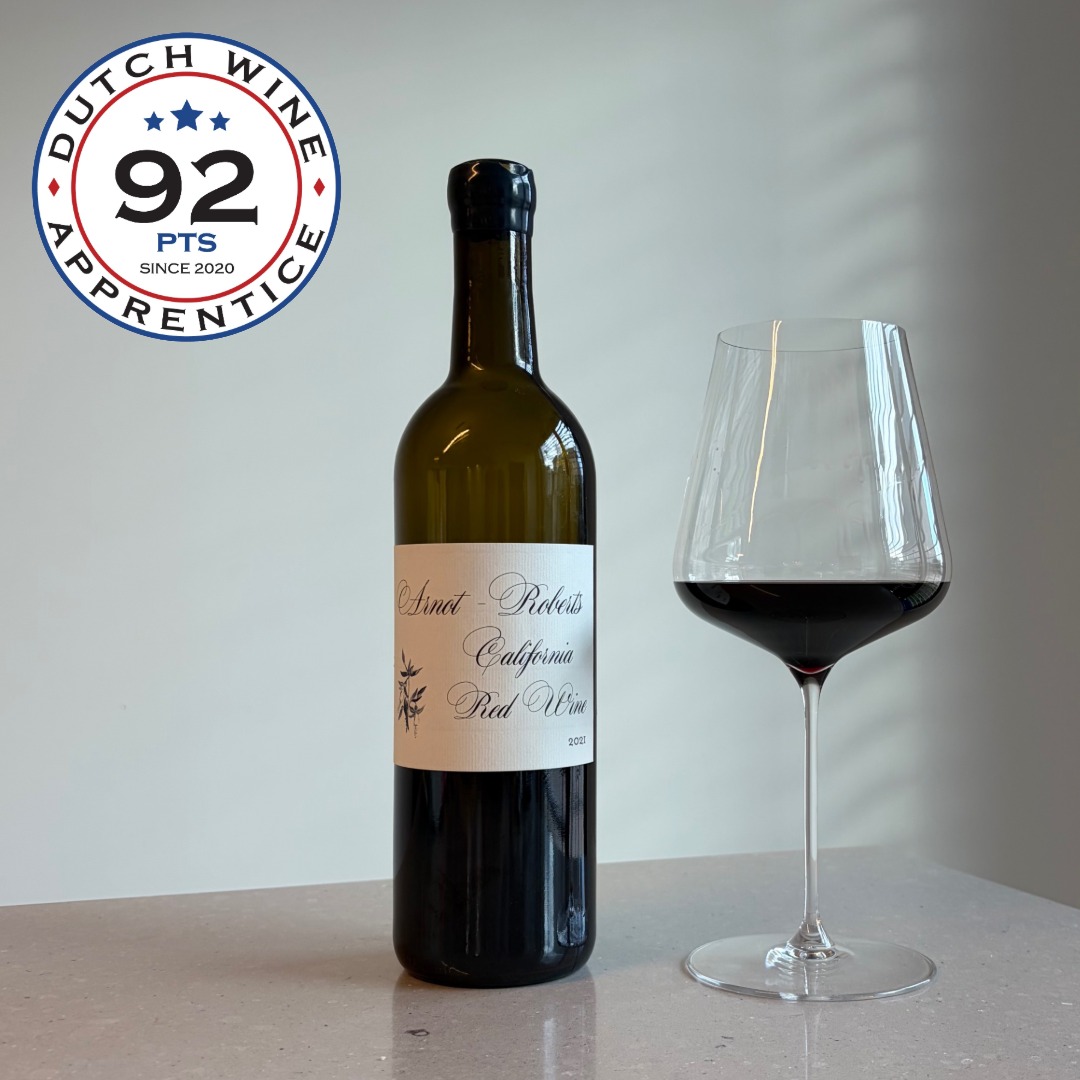
Arnot-Roberts – 2021 California Red
Red
USA
California
Bordeaux Red, Cabernet Sauvignon
Spiegelau Definition Bordeaux
59.29 EURO


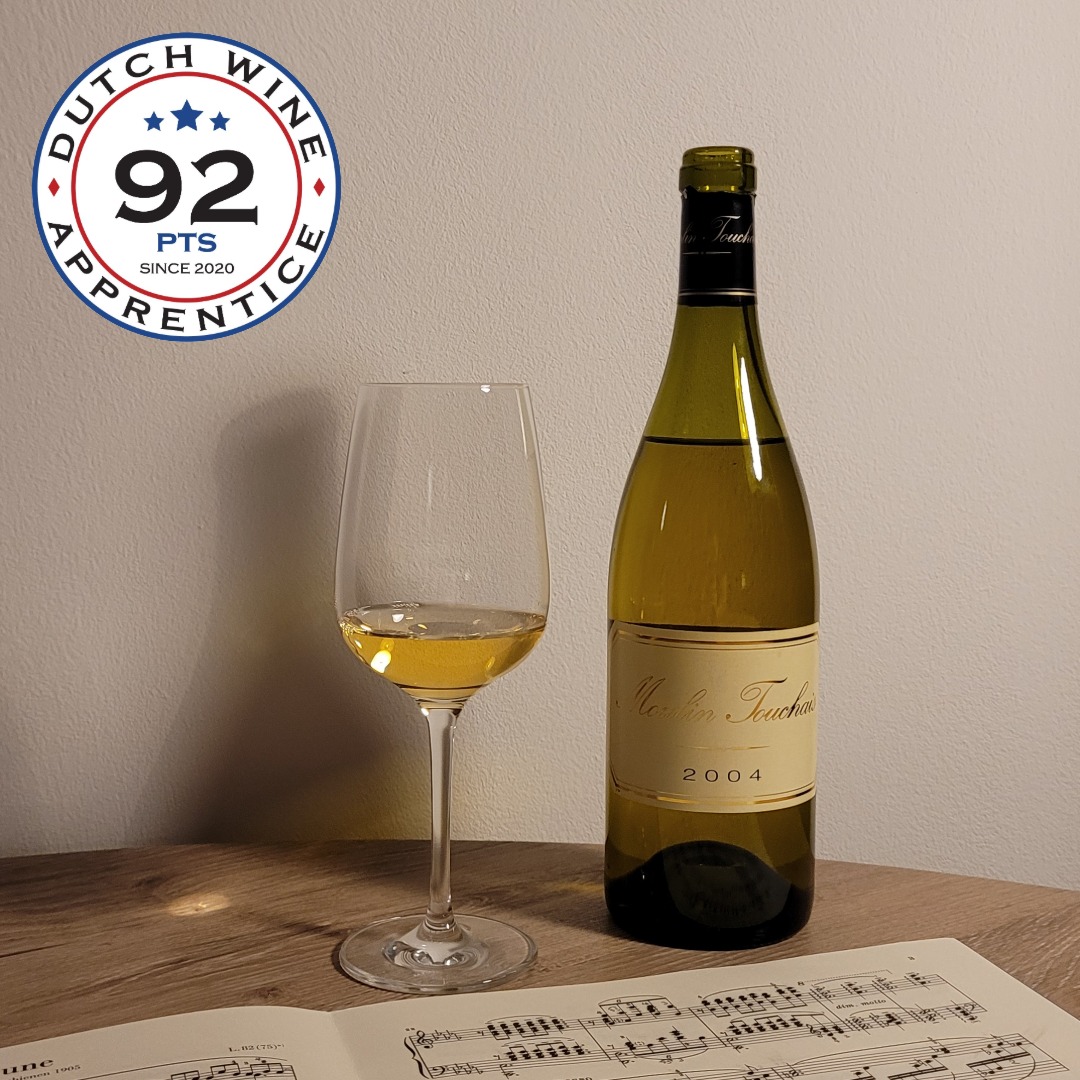
In this review an older vintage of Moulin Touchais. While sweeter styles of Riesling have been a long-established category within the world of fine wine, sweeter examples of Chenin Blanc are lesser heard of. A shame in our opinion, as their bracing acidity, honeyed orchard fruits and lanolin complexity bring to the table offer a unique and rewarding tasting experience – and even more so if you find one with some bottle age.
Apart from a few straw wines found in South-Africa (Mullineux and De Trafford among others), sweet Chenin Blanc is most commonly found in the Loire Valley in France. Notable appellations for this specialty are Vouvray and Coteaux du Layon – with the latter being fully dedicated to sweet Chenin. It is no coincidence that today’s wine comes from precisely there, and is one of the appellation’s iconic examples.
The Coteaux du Layon region is located in the Anjou-Saumur sub-region of the Loire Valley, nestled roughly between the appellation of Savennières and Saumur. It is no coincidence that the appellation closely follows its namesake Layon River as this river produces perfect conditions for botrytis: the noble rot responsible for concentrating the wine’s sugars, acid, and flavours. The Layon gives relatively colder, humid mornings due to fog and humidity from the river, which combined with warm, sunny afternoons give the right conditions for botrytis to occur.
However, this occurrence is still variable and subject to vintage variation. In drier, hotter years there is less botrytis, causing wines to contain a higher proportion of late-harvested Chenin in order to still gain a sweet style of wine (as required by the appellation). The best producers even go as far as only picking the individual grape bunches with the highest proportions of botrytis, leaving other bunches to hang in order to try again in later picking rounds – much like the common practice for the best Sauternes wines. Some spots within Coteaux du Layon are positioned perfectly for dense botrytis to consistently occur (often down-stream, south-facing, steep amphitheater-like vineyards near the Layon), the two most famous of which even have received their own appellation – Quarts de Chaume and Bonnezeaux. The schistous soils found in the downstream Layon are attributed to give even more power to the wine, setting it apart from Vouvray where the tuffeau, clay and limestone soils are said to attribute more elegance and restraint to the sweet wines produced.
The wine of today hails from the upstream part of the Layon (Haut-Layon), where the hills are gentler, the altitude is a tad higher, and the soils contain more clay and limestone. Compared to more traditional styles of Coteaux du Layon, this tends to produce a slightly more elegant, fresh wine, with less botrytis due to the flatter hills capturing less humidity and corresponding lower levels of residual sugar. Compared to for example a classic Bonnezeaux, the wines of Moulin Touchais tend to have 75-90 grams of residual sugar per liter – whereas Bonnezeaux (and other, more down-stream villages like Rochefort-sur-Loire and Rablay-sur-Layon) easily can go above hundred grams. This also results in a more citrus and stone fruit-oriented profile, compared to Bonnezeaux’ more flamboyant tropical fruit profile in warmer vintages.
While not situated in the classic part of the appellation, Moulin Touchais is one of the most well-known producers in Coteaux du Layon, with a track record of producing sweet Chenin Blanc since 1817. Moulin Touchais farms over 150ha in total, of which 35ha is dedicated to today’s wine, with the rest being used for dry wines and sold under the Vins Touchais label (or sold off in bulk, for sparkling Saumur or supermarket Anjou Blanc).
Only one commercial bottling is made: their Coteaux du Layon. Uniquely so, the wine is aged for at least 10 years before releasing it (current vintage is 2014), with many batches kept significantly longer when Jean-Marie Touchais (the current owner) decides so. For example, the 1968 vintage was only released in 2018, with the bottle having matured in the cellar for over 50 years before being sold – a feat only a handful of wine producers worldwide can proclaim. This tradition started after the Second World War, when during pessimistic economic times Joseph Touchais (father of Jean-Marie) decided to hold back stock instead of selling it in an oversaturated market. Due to 10 vintages at any time aging in the cellar before release, plus many old batches still being present, it is estimated that roughly a million bottles (!) rest in the cellar at any given time.
A very special cuvée is also secretly kept at the winery, the Réserve du Centenaire XIXème. This wine is a blend of vintages from 1849 through to 1899, made in the 1950s when Joseph Touchais decided to recondition bottles prior to the 1900 vintage. He did so by blending them all in two barrels then blending and re-bottling everything back into the original bottles. Roughly a few hundred bottles remain as of 2025, with as a bonus 12 to 24 of each separate 19th century vintage remaining in the cellar as library stock. It is very rare to taste a wine from the 19th century, but tasting 50 vintages of the 19th century all in one bottle is unique in the world of wine, with Sherry soleras being the only thing remotely coming close. One can only dream.
Back to the present. In the vineyard, up to four tries (picking rounds) used per vintage as to select the best fruit for that round, with the first round (~20% of volume) focusing on just-ripe grapes to capture enough acidity. This is usually followed by two to three rounds of picking the overripe and/or botrytised bunches (~80% of volume, often one month after the first round). This results in percentages of botrytis used averaging around 35% each year – relatively low compared to the other great Coteaux du Layon wines being made. This tends to yield a slightly fresher fruit profile, with balanced notes of both botrytized grapes and late harvested, overripe grapes – with an extra zip of freshness due to the early picking round being employed.
In the winery, soft pressings, natural yeasts, and cold fermentations in stainless steel are used (fermentations can last until January), after which the wine is bottled just after winter in April and aged for 10 years minimum in their cellars. The focus here is on keeping the primary freshness and complexity of Chenin Blanc as intact as possible, with the bottle aging adding extra texture and depth. When a vintage is not deemed good enough it is declassified and sold off (last occurrences: 2012, 2008, and before that 1978). Finding the actual winery when visiting furthermore can be a challenge, as it is well-hidden with barely any signs present. Owner Jean-Marie doesn’t mind, as he does not care too much about random passers-by, and that those that know about Moulin Touchais and really are looking usually find them anyway.
Now let’s see what all of this brings us in the glass.
The wine greets you with a deep lemon colour. Young and a bit shy on the nose, showing more evolution on the palate, with intense citrus, ripe yellow pear, wool, jasmine, honey, fresh apricot, ginger, saffron, nutmeg, baked apple, caramel, smoke, acacia, and marzipan all being present. Great weight and density, balanced by relatively fresh fruit and refreshingly high acidity. Not your typical heavy, luscious botrytized Chenin Blanc, but instead a very pure, (dangerously) drinkable version with modest sweetness and great freshness. Lovely typical orchard fruit profile. Beautiful balance between the sugar and acid, creating layers of complexity while giving the wine great drinkability.
Still relatively fresh and youthful, this has many years more ahead of it. We reward this wine with a 92-point DWA score. Drink 2025-2049.
This review is written by our own Martin Bronkhorst. Moulin Touchais is sold in the Netherlands through various retailers, amongst which Wijnhandel Appeldoorn and Best of Wines.
Taste date: May 2025

Join our insiders’ list and get exclusive early access to new articles, expert tips, and fresh reviews delivered straight to your inbox. Subscribe now and be the first to discover!
Subscribe for curated content, podcast alerts and honest wine reviews.