Join Our Wine Journey – Sign Up for the Newsletter 🍷
Harlan Estate: Built for Generations
Share
Deel op X (twitter)
LinkedIn
WhatsApp
Harlan Estate: Built for Generations.
How Napa Valley’s most ambitious estate continues to pursue a 200-year vision.
Few wineries are conceived with a timeline measured in centuries. Yet when Bill Harlan founded Harlan Estate in 1984, he famously described it as a 200-year plan — an estate designed to evolve over generations rather than vintages.
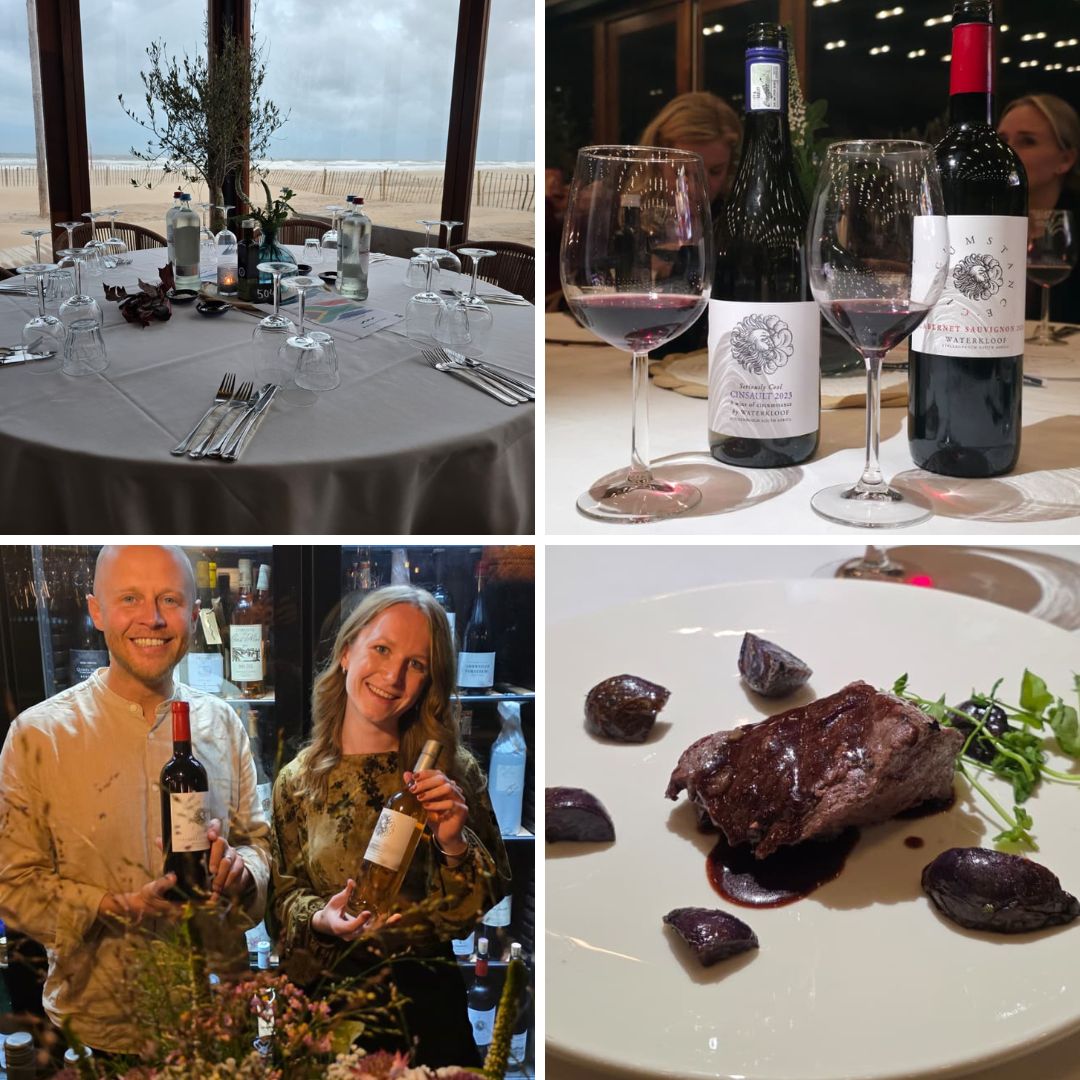
More than forty years later, that philosophy continues to shape the project. A recent dinner hosted by Dutch distributor Colaris offered a rare opportunity to explore how the wines of Harlan Estate develop over time. Held at the one-Michelin-starred Restaurant Kasteel Heemstede, the evening brought together four vintages of the estate — 1999, 2002, 2011 and the forthcoming 2022 — served alongside a carefully composed menu by Chef Ollie Schuiling.
Harlan Estate, built with respect for its surroundings.
A Dinner Framed by Craft
Ollie Schuiling — an SVH Meesterchef, one of the highest culinary distinctions in the Netherlands — designed a menu that moved from delicate maritime flavours toward deeper, more structured dishes, mirroring the progression of wines served throughout the evening.
Colaris teamed up with Restaurant Kasteel Heemstede and Chef Olie Schuiling to create a remarkable dinner.
The opening course paired North Sea crab with eel, seaweed and French beans with Philippe Gonet ‘Roy Soleil’ Blanc de Blancs NV (91/100 DWA score). The Champagne’s bright citrus and chalky minerality highlighted the salinity of the seafood while balancing the gentle smokiness of the eel.
The following dish — sea bass with dashi, leek and celeriac — showcased Schuiling’s refined handling of umami and texture. Two Burgundian wines accompanied the course, illustrating the region’s diversity.
The 2022 Domaine de l’Enclos Chablis Les Clos (92/100 DWA score) delivered classic Chablis tension, its citrus and oyster-shell minerality echoing the marine character of the dish.
The 2022 Domaine de la Vougeraie Chassagne-Montrachet Clos de la Chapelle (94/100 DWA score)followed with greater breadth and texture, offering ripe orchard fruit, subtle hazelnut and finely integrated oak.
The presence of Burgundy on the table felt particularly appropriate. After all, it was the great vineyards of Burgundy and Bordeaux that first inspired Bill Harlan’s ambition to create a wine estate in Napa Valley capable of standing among the world’s finest.
A Vision Measured in Generations
When Bill Harlan began searching for land in Napa Valley during the early 1980s, most vineyards were planted on the valley floor. Hillside sites were largely ignored — steep, forested and difficult to farm.
Harlan saw potential where others saw obstacles. Inspired by Europe’s historic vineyards, he believed that truly great wines begin with distinctive sites. His search eventually led him to the western slopes above Oakville. Over several years he assembled parcels of rugged terrain that would become Harlan Estate.
The Fermentation Room at Harlan Estate.
The timing proved fortunate. Environmental regulations introduced soon afterwards restricted further hillside development, preserving the unique character of the site. Yet from the beginning the project was conceived with an unusually long perspective.
As Will Harlan (Bill’s son and Harlan’s acting Managing Director) explains:
“To be considered one of the fine wines of the world is an ambition that takes more than one generation.”
That long-term view continues to guide decisions throughout the estate today.
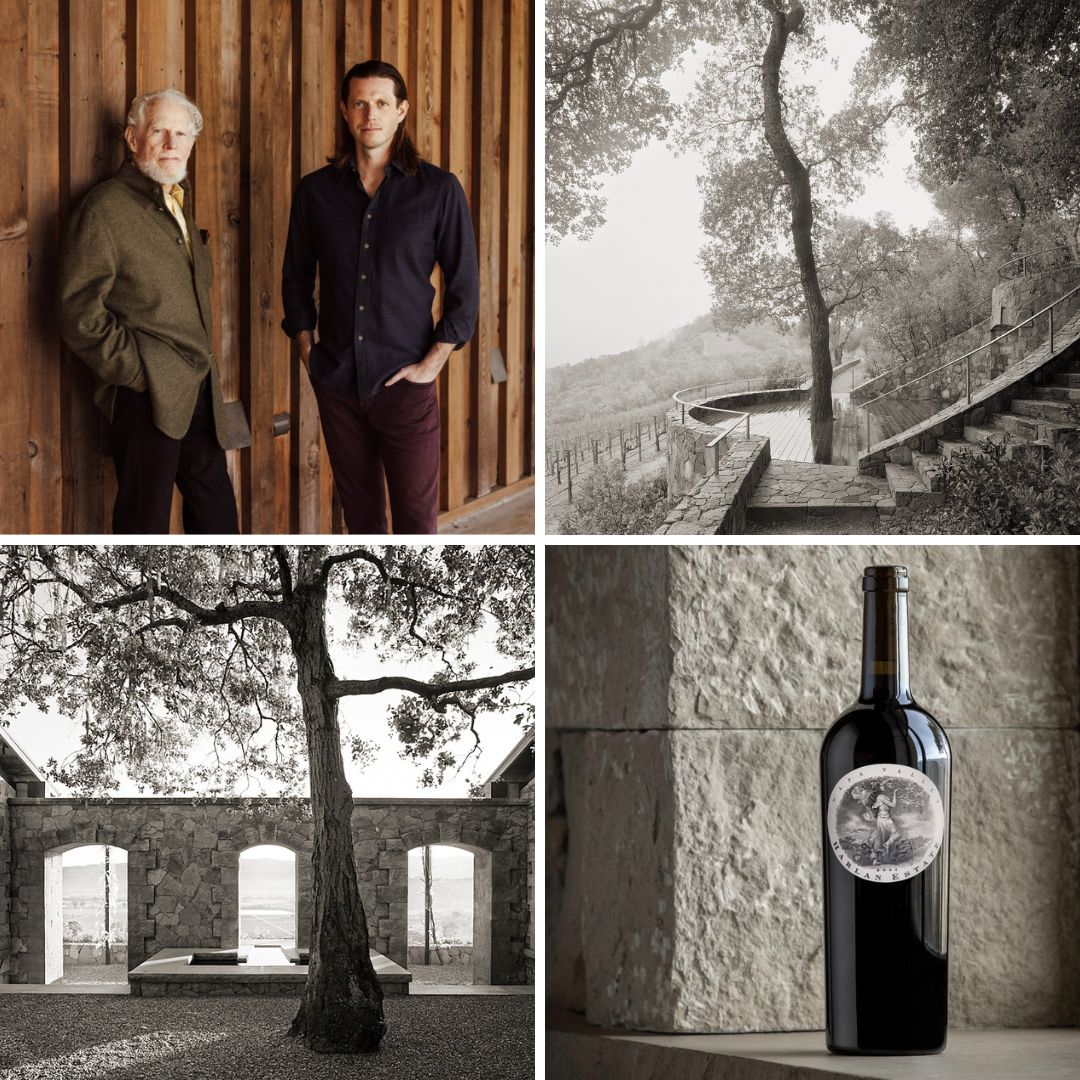
Bill Harlan with his son Will.
The Forest Estate
Today the property remains defined as much by forest as by vineyard. Of the estate’s roughly 240 acres, only about forty are planted with vines. The remainder is woodland, forming a natural ecosystem that surrounds the vineyard.
This environment plays an important role in shaping the identity of the wines. The forest moderates temperature, encourages airflow and contributes subtle aromatic complexity often described as reminiscent of forest floor.
Maintaining this landscape requires careful stewardship. A dedicated team works year-round managing the woodland — thinning trees, removing dead wood and maintaining ecological balance.
For Harlan Estate, the forest is not simply scenery. It is part of the terroir.
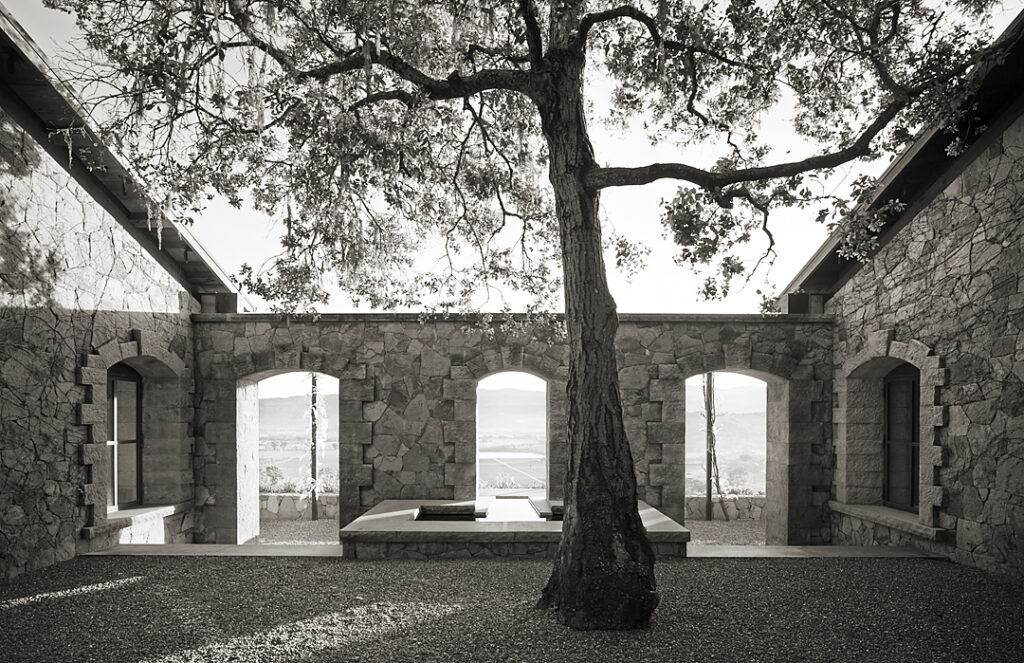
The Harlan Estate, Surrounded by Forrest.
Farming With Precision
Over time the estate’s understanding of the vineyard has evolved significantly. One of the most important developments has been the gradual transition toward dry farming, allowing vines to rely on deeper water reserves rather than irrigation. This process required patience. Vines accustomed to irrigation must adapt slowly over several seasons.
The estate also shifted its approach to crop management. Rather than removing excess fruit later in the season, yields are determined during pruning, allowing the vine to focus its energy on ripening fruit rather than producing unnecessary growth.
More recently, some vineyards have also been planted with head-trained goblet vines, which naturally shade the fruit and require less permanent wood.
Yet even these technical decisions ultimately depend on the people working the vineyard.
The Human Element
Unlike many vineyards that rely heavily on seasonal labour, Harlan Estate maintains a dedicated year-round vineyard team. Over time this commitment led to the creation of the Vine Master Program, an internal training initiative designed to deepen the relationship between vineyard workers and the vines they manage.
Through the program, experienced vineyard workers undergo several years of training before becoming responsible for their own section of vineyard. Each vine master manages the same parcel year after year, developing an intimate understanding of the individual vines under their care.
This approach transforms vineyard work from routine farming into something closer to craftsmanship. Such decisions may appear inefficient from a purely financial perspective. For Harlan Estate, however, they reflect a broader philosophy: excellence requires attention to every element of the environment in which the wine is produced.
Wines Built to Age
Back at the table in the Netherlands, the red wines illustrated how that philosophy translates into the glass.
Four vintages of Harlan, including the newly released 2022.
They were served alongside sweetbread with green herbs, parsnip and red wine sauce, a dish whose richness created a natural bridge from Burgundy to Napa Valley Cabernet.
2022 Harlan Estate Napa Valley | DWA Score: 96/100
The youngest wine of the evening offered a glimpse into the future of the estate. The nose opens with blackcurrant, dark cherry and violets layered with graphite and cedar. On the palate the wine combines impressive concentration with freshness and precision. Polished tannins frame the dense core of fruit while maintaining elegance. The finish is long and focused, suggesting considerable aging potential.
2011 Harlan Estate Napa Valley (Magnum) | DWA Score: 95/100
Served from magnum, the 2011 revealed a cooler and more reflective expression of Harlan Estate. Aromas of red and black currant, dried flowers and graphite lead into notes of cedar, tobacco leaf and forest floor. The palate is finely structured with integrated tannins and vibrant acidity, offering balance and nuance rather than sheer power.
The final course before dessert — barbecued beef with caramelized onion and tandoori spices — accompanied the evening’s older vintages.
2002 Harlan Estate Napa Valley | DWA Score: 99/100
The standout wine of the evening, the 2002 demonstrated the full scale and complexity Harlan Estate can achieve at its peak. Layers of cassis, black plum and dark cherry unfold alongside cedar, tobacco, espresso and forest floor. The palate is expansive yet impeccably balanced, supported by finely grained tannins. The finish is exceptionally long and resonant.
1999 Harlan Estate Napa Valley | DWA Score: 94/100
The 1999 offered a perspective on the mature evolution of the estate. Aromas of dark raspberry, dried plum and blackberry mingle with cedar, tobacco and savoury herbs. Velvety tannins and lively acidity carry the wine toward a long, savoury finish.
Together, the four wines illustrated the central idea behind Harlan Estate: wines built not only for immediate impact, but for evolution over decades — an ambition that echoes the long-term vision first set out by Bill Harlan.
The 2002 and 2011 Harlan.
Scarcity and Responsibility
With annual production averaging fewer than two thousand cases, Harlan Estate inevitably operates within a world of scarcity. Demand far exceeds supply, yet the estate remains focused on where its wines ultimately end up.
“Ideally,” says Will Harlan, “we want to know the people who buy our wine. And we want them to buy it to enjoy it.”
For Harlan, the purpose of the wine remains unchanged: it is meant to be shared at the table.
Built for the Long Term
By the end of the evening at Restaurant Kasteel Heemstede, the wines had offered a clear perspective on what Harlan Estate set out to achieve. Tasted across more than two decades, the vintages illustrated not only the influence of different growing seasons, but also the remarkable consistency of the estate’s style.
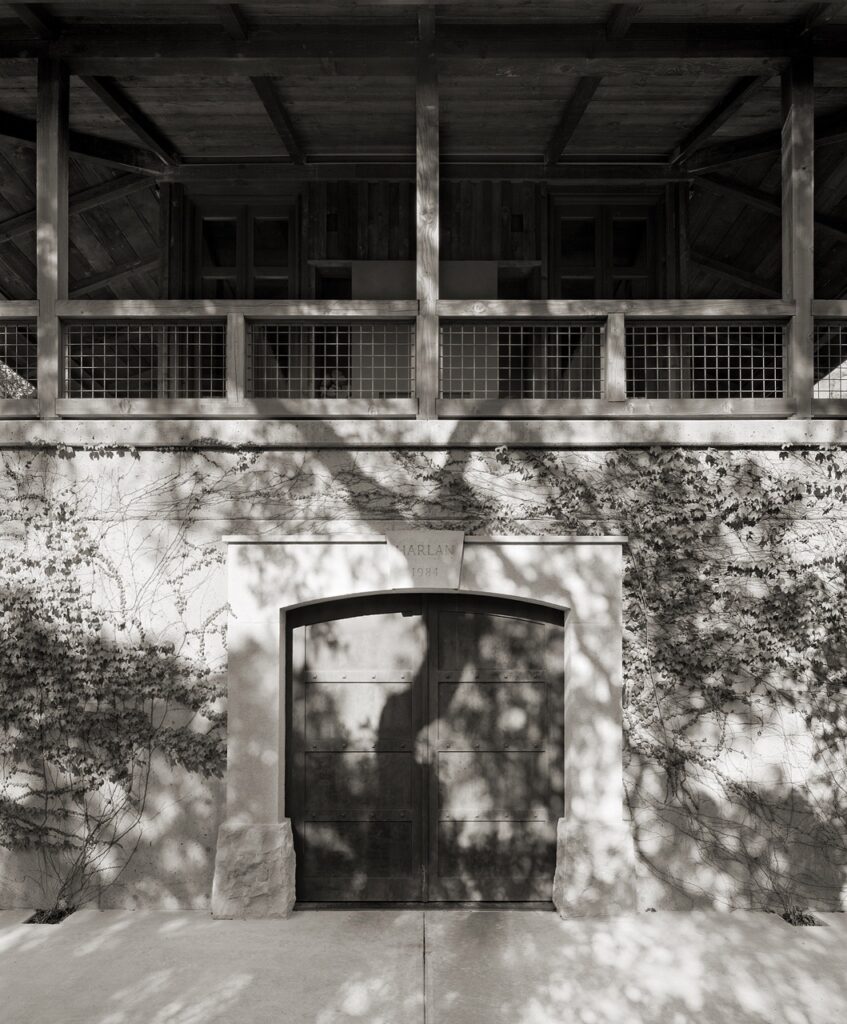
Harlan’s Cellar Entrance.
Yet within the context of a vision that began more than forty years ago in the hills of Napa Valley, even these mature vintages represent only a small part of the story.
If the 200-year ambition imagined by Bill Harlan holds true, the wines poured that evening are simply early chapters in the long evolution of Harlan Estate.
This article is written by our own Niels Aarts. We would like to thank Harlan Estate, Will Harlan and Francois Vignaud, for their support in writing this article, and Colaris, their Dutch distributor for the invitation. Picture credits: Harlan Estate and Dutch Wine Apprentice.
We also thank Ollie Schuiling and the team at Restaurant Kasteel Heemstede for the wonderful dinner. Harlan estate is available on a limited basis in several markets around the world. For purchases in the Netherlands, you can reach out to Colaris directly.
Join our insiders’ list and get exclusive early access to new articles, expert tips, and fresh reviews delivered straight to your inbox. Subscribe now and be the first to discover!