Join Our Wine Journey – Sign Up for the Newsletter 🍷
Vignobles K: Diversity and Joy in Modern Bordeaux
Share
Deel op X (twitter)
LinkedIn
WhatsApp
Vignobles K: Diversity and Joy in Modern Bordeaux.
The beauty of Bordeaux is that there is a Bordeaux for everyone” says the passionate voice behind Vignobles K. Diversity is Bordeaux’s secret weapon — and Jean-Cristophe Meyrou is determined to prove it.
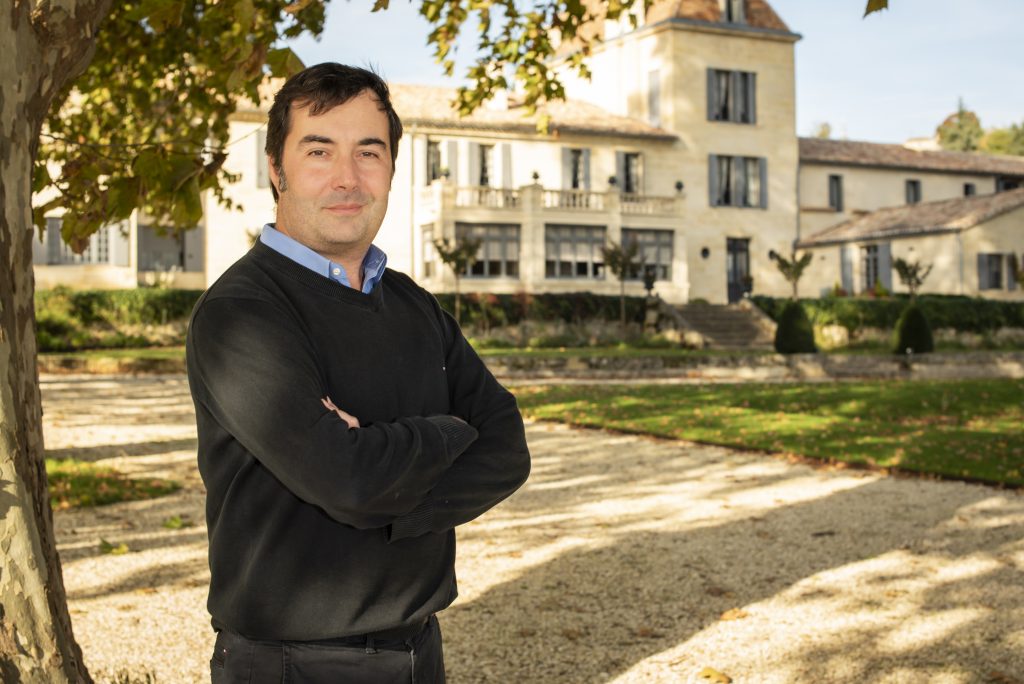
Meyrou is the General Manager of Vignobles K, a family-owned group overseeing seven estates across Bordeaux’s right bank. Meyrou’s wine journey spans over three decades and includes formative roles in distribution and vineyard management around the globe. From launching the Alta Vista brand in Argentina to managing iconic Pomerol properties like Château Le Gay and La Violette, Meyrou has left a lasting mark at every stop.
Since 2014, Meyrou leads Vignobles K alongside founder Peter Kwok. Together, they transform the group into a benchmark for quality and variation. With estates across the Right Bank of Bordeaux — including Saint-Émilion, Pomerol, Castillon, and Lalande-de-Pomerol — the group reflects a measured and thoughtful expansion.
Heritage in Motion
The story of Vignobles K began in 1997 with the acquisition of Château Haut-Brisson in Saint-Émilion. Peter Kwok, born and raised in Vietnam, had always dreamed of owning a home in France. After a successful career in banking and public investment in Asia, he fulfilled that ambition. Though initially drawn to the property for its residential appeal, the surrounding vines sparked a deeper involvement in viticulture, one that has since evolved into a well-curated portfolio.
Today, Vignobles K comprises Château Bellefont-Belcier and Château Tour Saint Christophe in Saint-Émilion, Château Le Rey in Castillon, Enclos Tourmaline and Château La Patache in Pomerol, and Enclos de Viaud in Lalande-de-Pomerol. Haut-Brisson has since been sold, though the team continues to support its technical and commercial operations.
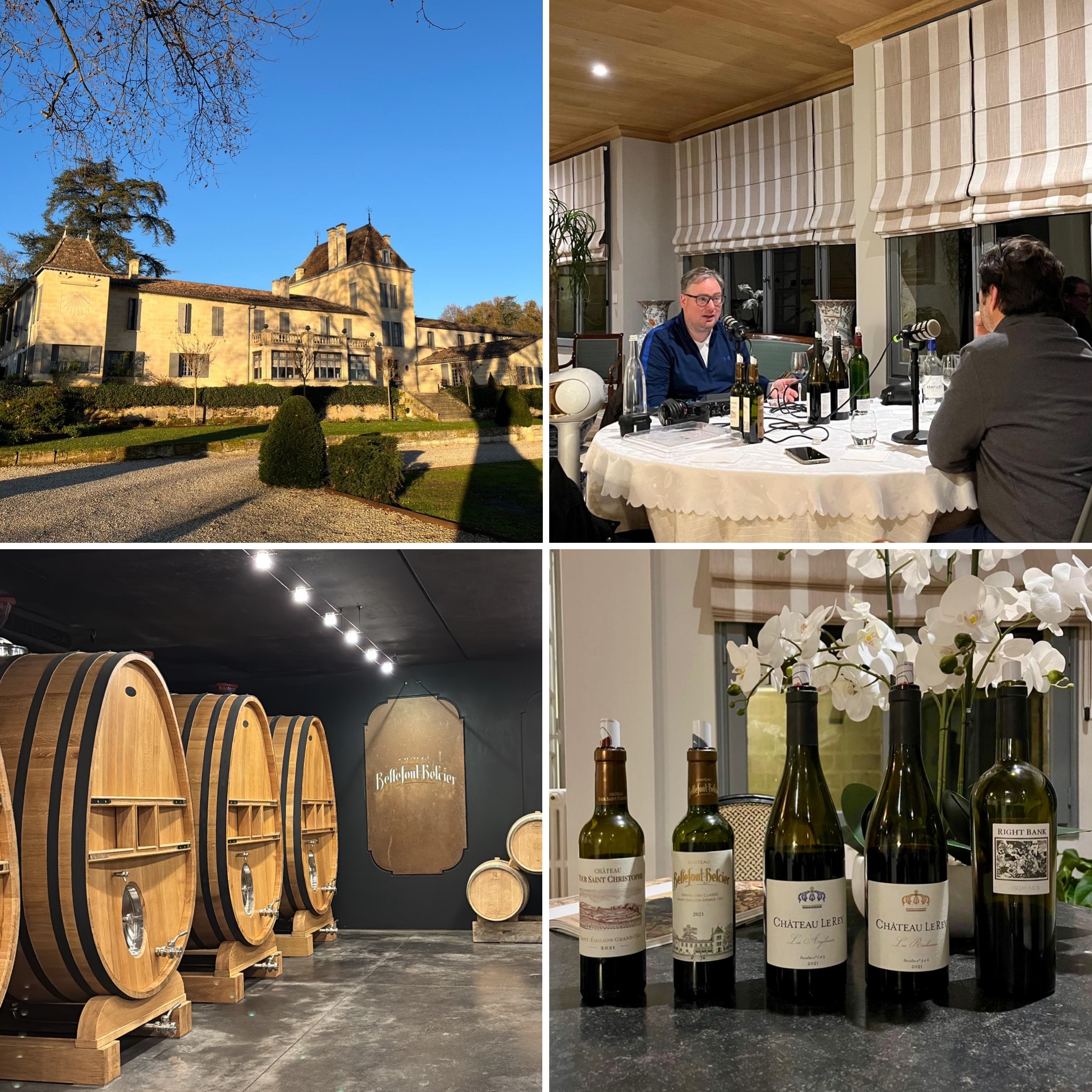
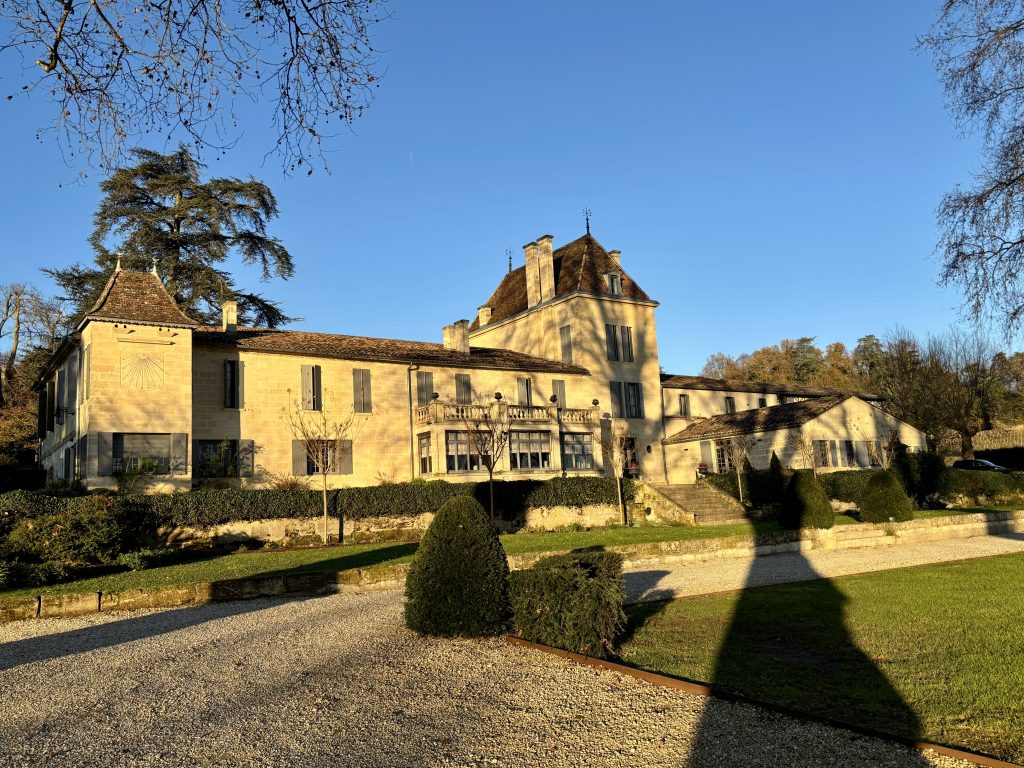
Château Bellefont-Belcier in Saint-Émilion, Vignobles K’s Crown Jewel.
Though Peter Kwok is not permanently based in France, he remains deeply engaged with the estates. His family regularly visits and stays at the properties, nurturing a generational connection to the land. His children speak fluent French, and he encourages the same of his grandchildren, ensuring they grow up with a strong sense of cultural continuity. Heritage is not just preserved, it is actively lived, honoured, and evolved.
Château Haut-Brisson
One of the first joint projects is Château Haut-Brisson, on the gravelly lowlands of Saint-Émilion. A older vintage we tasted during our well-arranged diner was on fire. “A killer wine for next to nothing,” Meyrou notes with a smile, highlighting Bordeaux’s ability to produce approachable wines without compromising on quality.
It is tempting to associate Bordeaux with the top 30 prestigious estates — those that make headlines at auctions. These wines represent the image of Bordeaux, although the only represent a fraction of the total production. To great dissatisfaction of Meyrou. ”Bordeaux offers a treasure trove of high-quality wines at very accessible prices, especially in lesser-known appellations.”
Château Tour Saint Christophe
But even in well-known appellations, Meyrou demonstrates a keen eye for pricing, as becomes evident when tasting the 2021 vintage of Château Tour Saint Christophe. This estate, home to the highest vineyards in the appellation, has been classified as Saint-Émilion Grand Cru Classé since 2022. The wine offers true value for money.
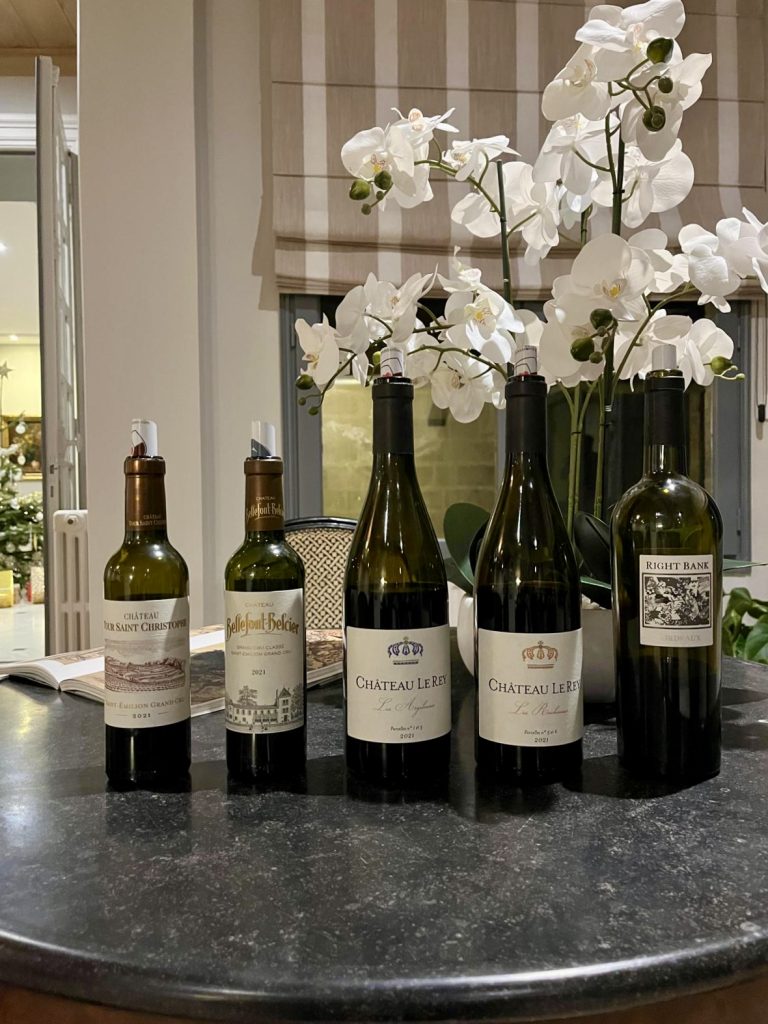
2021 Château Tour Saint Christophe
Grown on high elevated limestone, the 2021 vintage of Château Tour Saint Christophe is a vivid expression of terroir-driven winemaking. The blend of 80% Merlot and 20% Cabernet Franc reveals a complex, perfumed nose with notes of coffee, exotic spices, tobacco, and a subtle herbal lift reminiscent of mint and green pepper. On the palate, the wine is linear and precise, carried by a lively acidity and a distinctive salty minerality. There’s a notable tension and drive throughout, finishing with a peppery aftertaste.
DWA Score: 92/100
Château Bellefont-Belcier
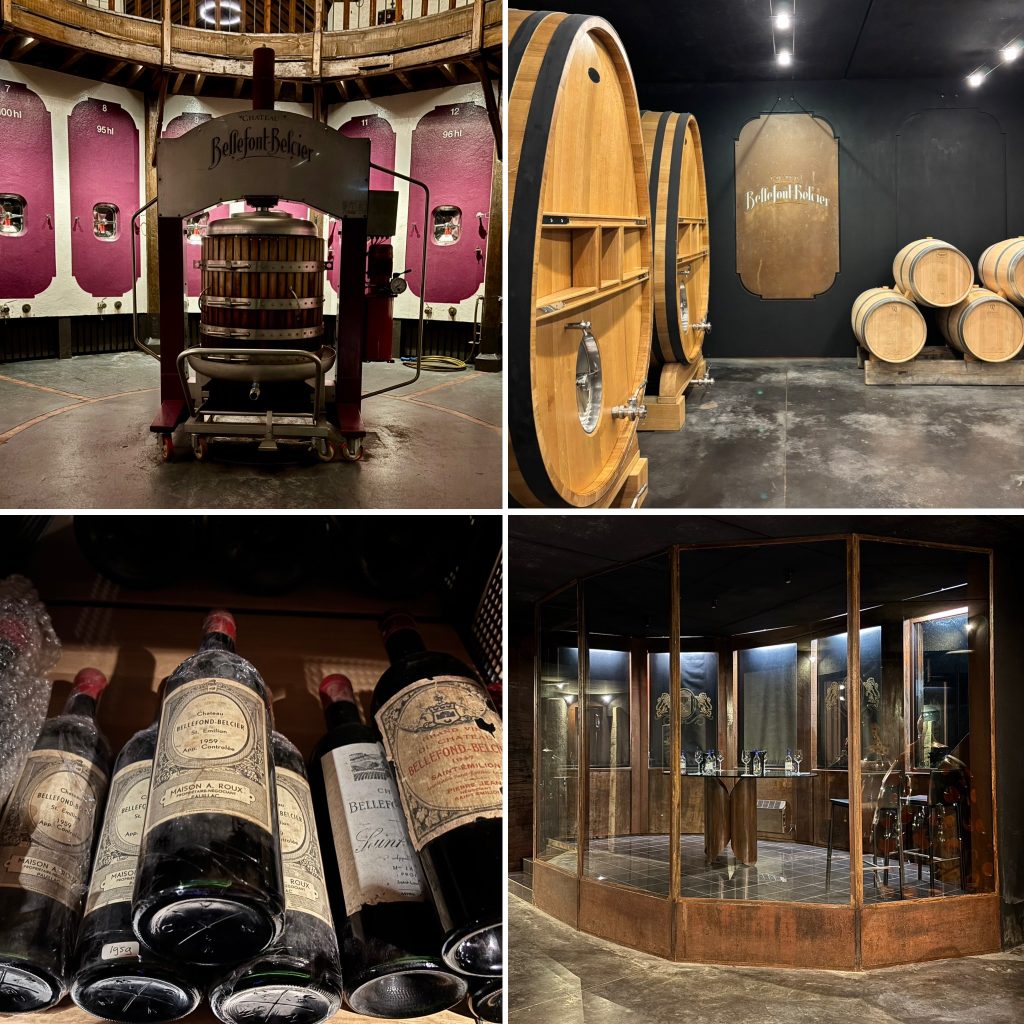
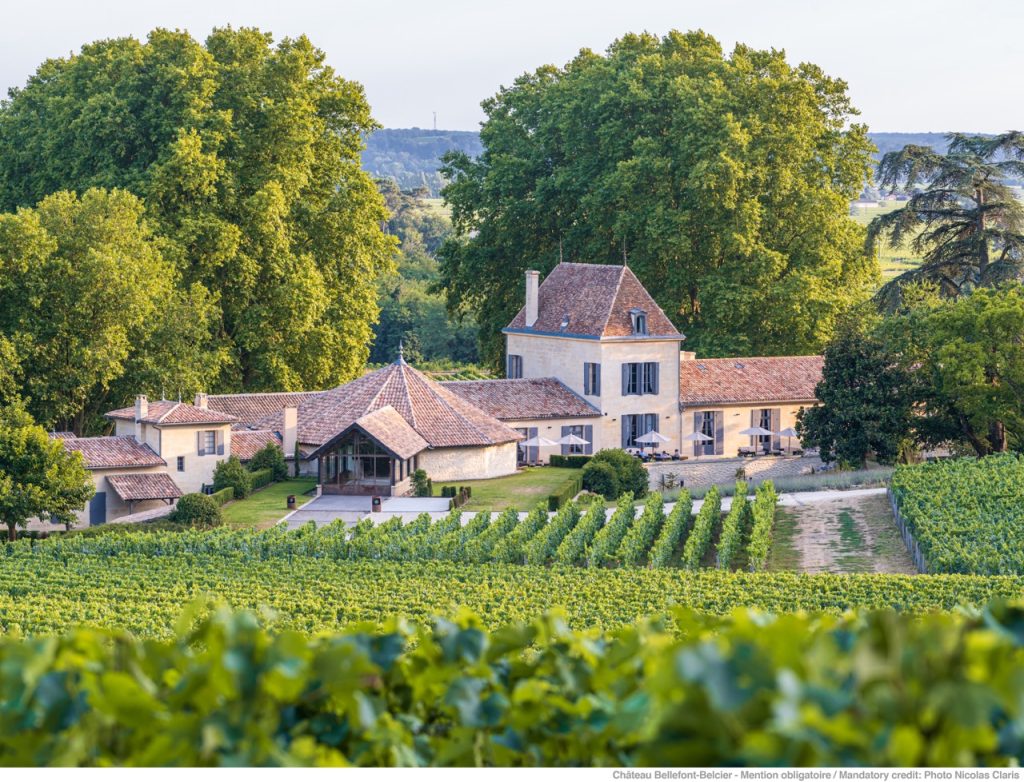
The acquisition of Château Bellefont-Belcier in 2017 marked a new chapter for the group. The estate, set on a 14-hectare single clay-lime stone vineyard, Molasses du Fronsadais, was already in good condition upon arrival. Renovations were carefully executed, preserving its historical integrity. The gardens and hospitality spaces were refreshed, and only minimal updates were made to the 19th-century gravity-fed cellar, which still houses the original concrete vats and oak plank ceilings. Respect for the château’s architectural legacy remains central to the estate’s identity.
The cellar itself was ingeniously designed by a former agricultural engineer and remains remarkably functional. Modern updates include temperature-controlled barrel rooms. The estate vinifies three grape varieties: Merlot (72%), Cabernet Franc (18%), and a small but integral portion of Cabernet Sauvignon.
The Winery and Cellar at Bellefont-Belcier.
The approach to winemaking is methodical and restrained. Meyrou emphasizes elegant integration of oak, preferring a mix of new and used French barrels sourced from multiple coopers. Sulphite usage is minimal during aging, with cold cellar temperatures helping preserve the wines naturally.
The Vineyard of Bellefont-Belcier, directly behind the Château.
2021 Château Bellefont-Belcier Saint-Émilion Grand Cru Classé
The wine opens with expressive aromas of ripe red berries, cherry, raspberry, and red currant, layered with floral and mineral nuances. On the palate, it shows a generous, fruit-forward character, open and immediately charming, yet it retains freshness of the estate. Fine-grained, supple tannins, silky feel, and a limestone-driven tension. The wine shows depth and energy, finishing with a lively spiciness, promises graceful evolution over time.
DWA Score: 93/100
Château Le Rey
At Château Le Rey in Castillon, Meyrou brings a Burgundy-inspired mindset to Bordeaux’s Right Bank.He not only co-owns the property — he lives here.His close connection to the land led to a discovery of two distinct terroirs just 60 meters apart: one a bed of pure limestone, the other deep blue clay. Rather than blending the two into a traditional Bordeaux blend, he chose to vinify them separately, producing Les Rocheuses from red limestone and Les Argileuses from bleu clay.
Both wines share the same 80% Merlot, 20% Cabernet Franc blend and vintage, yet offer strikingly different expressions. Bottled in Burgundy-style bottles, the wines highlight a philosophy rooted in terroir expression. “Bordeaux is fun again,” Meyrou declares. “Bordeaux is not just about prestige — it’s about place.”
2021 Château Le Rey – Les Rocheues
Les Rocheuses is a precise and linear expression of Castillon’s limestone plateau. The wine leans into tension and mineral clarity. Ripe wild strawberry and redcurrant lead the aromatic profile, flirting with a cooked fruit impression but held firmly in check by a stony freshness. The palate is focused and marked by bright acidity, with a cool, chalky minerality running through. Gentle oak aging adds structure and polish without masking the purity of fruit. Elegant, energetic and slightly austere in its youth. Long lasting.
DWA Score: 91/100
2021 Château Le Rey – Les Argileuses
Les Argileuses offers a darker, more hedonistic profile compared to its limestone-based counterpart. The wine opens with deep aromas of black cherry, plum, and violets. The rounded palate is rich and spicy with impressive concentration. Tannins are supple and silky. Generous and mouth-coating, while preserving finesse. The wines remains lifted and fresh, offering balance and drinkability.
DWA Score: 91/100
The Wines from our Reviews, tasted during our stay.
Bordeaux in Transition
In a global wine market with ever-growing competition from other regions, Meyrou doesn’t see rivals — he sees richness. “You can see the bottle half empty or half full,” he says. “I’m in the half-full team. I love Bordeaux. I love the diversity.”
Meyrou is not afraid to challenge long-held beliefs about Bordeaux. He acknowledges the region’s image problems in recent decades, including what he calls Bordeaux-bashing. “Bordeaux had the unfair image it is too expensive. They said Bordeaux is the wine of your grandfather. According to Meyrou Bordeaux-bashing is over now and there is new energy flowing through Bordeaux, driven by both young and seasoned winemakers. From experimental packaging to the reinvention of rosé and whites, change is happening fast.
Everybody can find their Bordeaux
“Ten years ago, Bordeaux rosé was fat and lifeless. And now? It’s pale, fresh, and vibrant. A real revolution.”
Truely revolutionary and seemingly contrary to the terroir driven wines of Le Rey is Meyrou’s brainchild Right Bank. Meyrou found out the name ‘Right Bank’ was not protected, he bought the intellectual property rights and crafted a wine out of multiple Right Bank terroirs. “Right Bank creates space for creativity and freedom for our technical team.”
Vignobles K – 2022 Right Bank
Right Bank presents a deep and dark bouquet with aromas of ripe black fruits, tobacco leaf, and subtle earthy undertones. On the full-bodied palate, it is immediately smooth and approachable, with generous dark fruit flavours unfolding over a supple texture. Powdery tannins and a saline core, complemented by fresh acidity that brings balance and clarity to the finish.
DWA Score: 91/100
The New Reality
While others in the light of climate change rush to plant new varietals like Touriga Nacional, Meyrou takes a more reflective approach. Meyrou is replanting Malbec and exploring the potential of Sémillon, especially on limestone soils. “Semillon on limestone is magical,” he says. “It’s part of Bordeaux’s past and could be a key part of its future — especially given climate change.”
Speaking of which, Meyrou’s approach to global warming is practical. “The biggest issue for us is the spring. Vegetation starts earlier, so frost and mildew become real threats. But we adapt”. Despite concerns, he’s not one to panic. “Before cutting all the Merlot and planting Syrah or Touriga Nacional, let’s be serious. Adapt. Bordeaux has the terroir and the experience. We just need to do our job better.”
Selling the Story
While many Bordeaux estates cling to traditional sales models, Meyrou embraces a hybrid strategy. 80 percent of his wines is sold through the Place de Bordeaux, 20 percent direct-to-consumer. He’s also bullish on wine tourism, having built a dedicated team of seven full-time staff for the experience. “When people visit us, they carry our story home. They become our best marketers.” He understands the power of push and pull: the push from strong distribution networks, and the pull from personal connection. “We need both. That’s our model.”
Jean-Christophe Meyrou.
The Future of Bordeaux according to Jean-Christophe Meyrou
For Jean-Christophe Meyrou, the future of Bordeaux lies in honesty, openness, and joy. “Wine must be fun,” he insists. “Bordeaux forgot that for a while. We took ourselves too seriously. Now it’s time to relax a little – and invite the world to rediscover the beauty, the diversity, and yes, the fun of Bordeaux.”
This article is written by our own Hermen Janssen and Niels Aarts, as part of our trip to Bordeaux and the series: ‘The Future of Bordeaux in the World of Fine Wines’. We would like to thank Vignobles K, in particular Jean-Christophe Meyrou, for their time and support in writing this article, and their hospitality as they hosted us at Château Bellefont-Belcier.
Join our insiders’ list and get exclusive early access to new articles, expert tips, and fresh reviews delivered straight to your inbox. Subscribe now and be the first to discover!