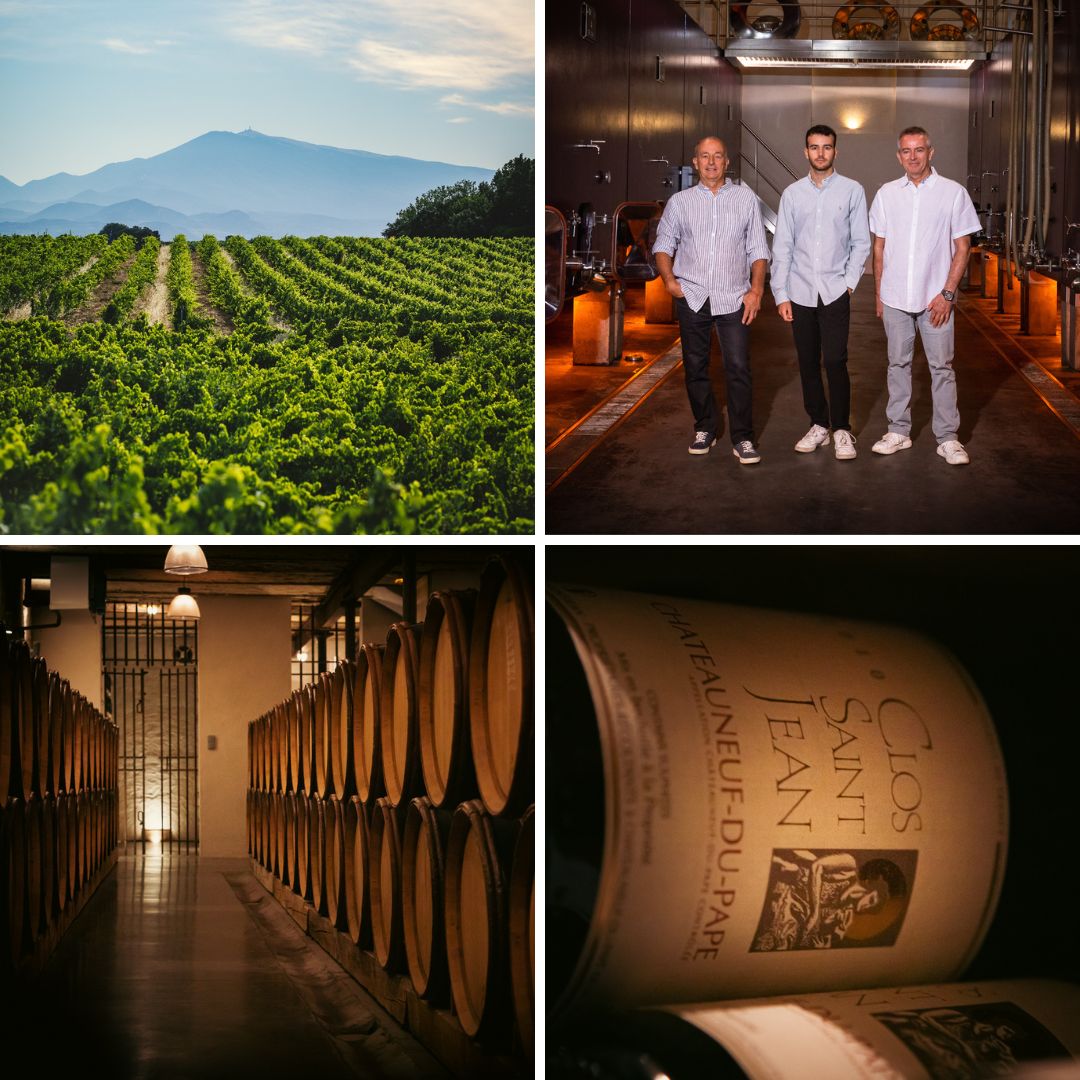
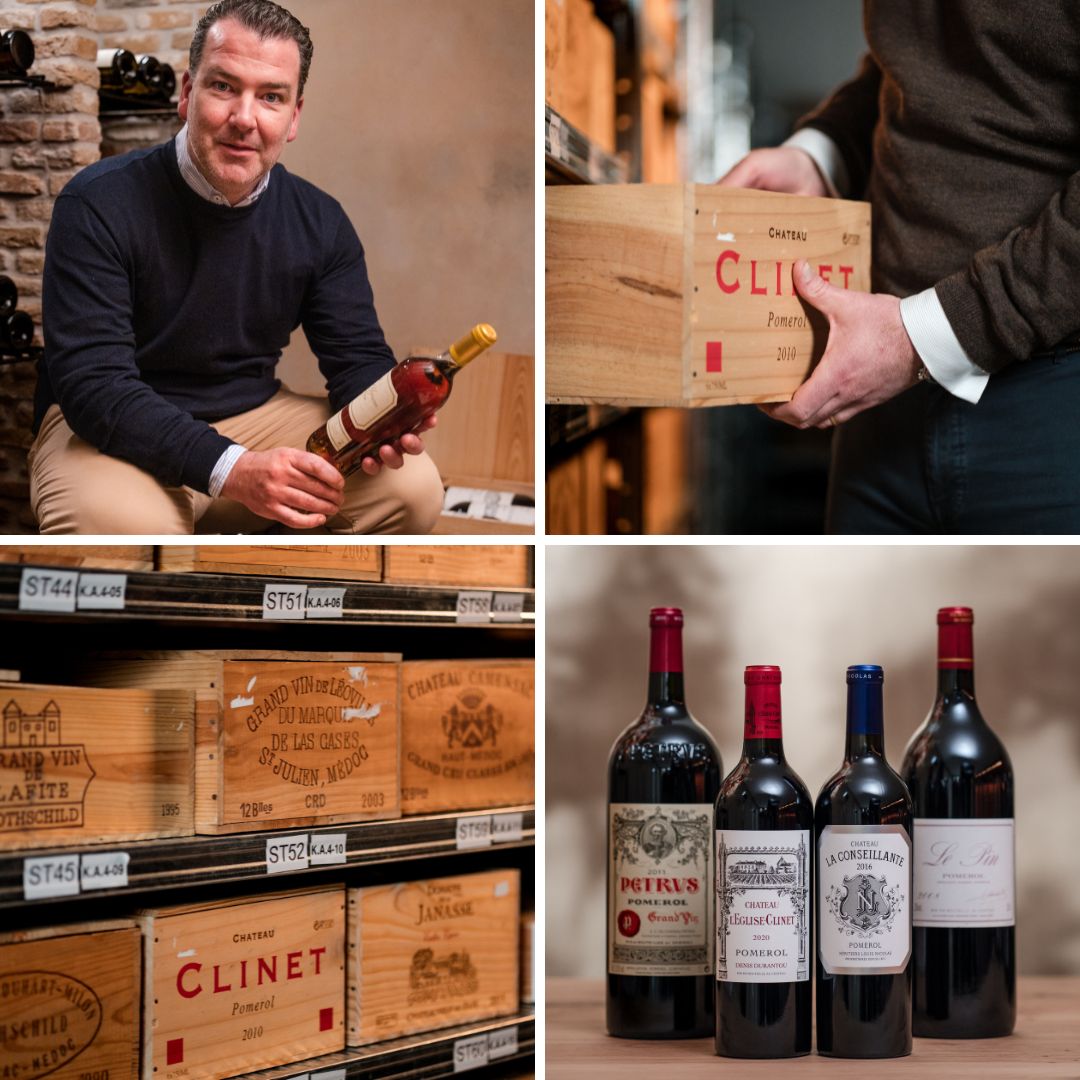
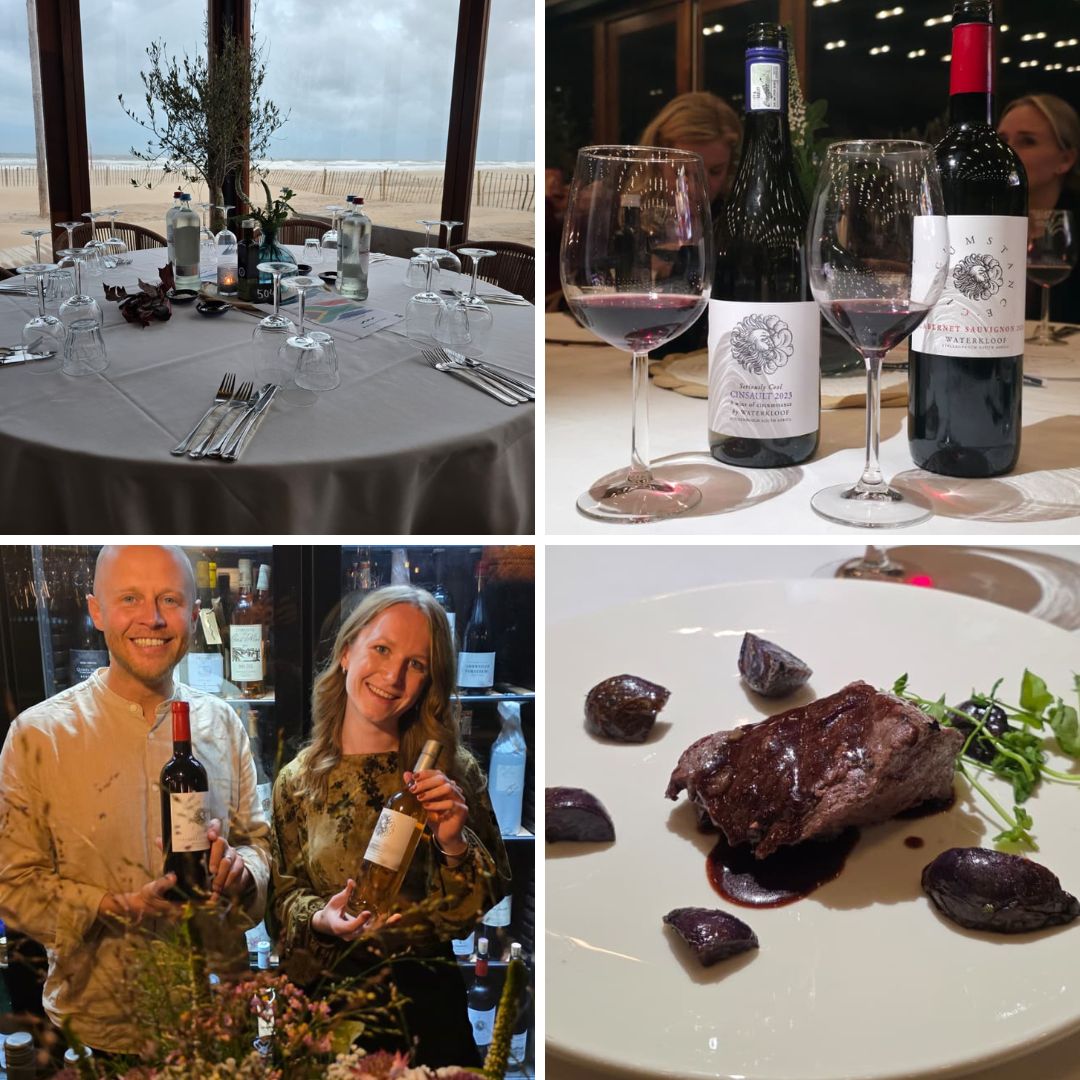
Our partner Poot Agenturen, a distinguished Dutch wine importer, is celebrated for sourcing exceptional wines that appeal to a wide range of tastes. Their annual portfolio tasting is a highly anticipated event in the wine industry, drawing professionals to explore an impressive lineup. While the spotlight is often on Bordeaux and Barolo, the tasting also showcases a diverse selection, including classic appellations from Burgundy, the Loire, Germany, and Italy, as well as hidden treasures from emerging wine regions around the world.
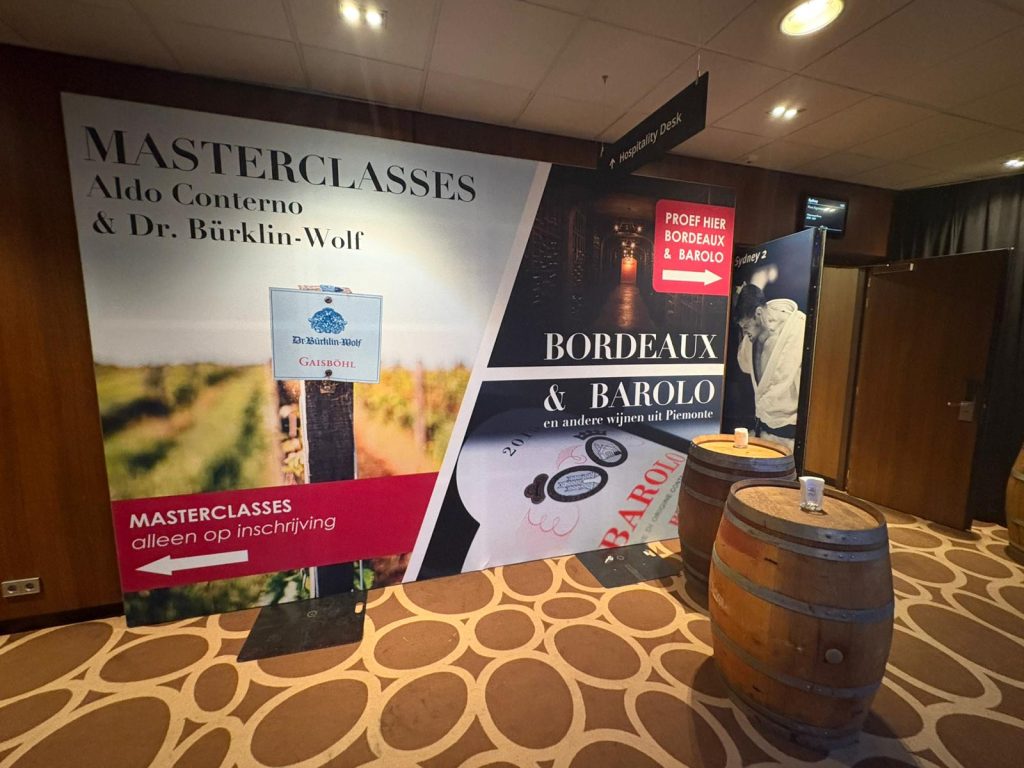
We had the privilege of attending the 2025 edition of Poot’s portfolio tasting, which included two engaging masterclasses. In this article, we highlight the essence of these fascinating tastings.
The 2025 Poot Agenturen Portfolio Tasting.
Rooted in Tradition and Shaped by Innovation: Aldo Conterno’s Legacy
We immediately kicked the day off with an awesome Poderi Aldo Conterno Masterclass, led by none other than the grandson of Aldo Conterno, who has been slowly taking over the business, as his two uncles and father are taking a step back. He took us back in time with a vintage we can now classify as one of the greatest of the 2010’s: 2015.
In the 60’s of the previous century, Aldo and Giovanni Conterno led the prestigious Giacomo Conterno estate together. Whilst Giovanni was, in spirit of his father, regarded as a traditionalist, Aldo opted to take a more modern approach with regards to their Barolo. The two could not harmonize in the cellar, thus Aldo departed from the family estate to establish one in his own name.
Modernity meets tradition in the cellars of Aldo Conterno: large 2500L Slavonian oak barrels stand side by side with their French (and ten times smaller) counterpart. The family cultivates grapes from 26ha in Bussia from three separate plots: Cicala, Colonnello & Romirasco.
Harmony can be found at the center of the winemaking philosophy at Aldo Conterno. The family decided to drastically cut back their yield: they annually produce 80.000 bottles, in contrast to the 90’s, where they still produced 300.000 bottles a year. Ultimately, this comes down to only using about 50 to 60 percent of the grapes in their own wine, whilst selling all that do not meet their rigorous standards.
A Vintage in Focus: Aldo Conterno’s 2015 Barolos
The 2015-vintage in Barolo is widely held in high esteem. Wintertime saw the vineyards replenished, as snow and rain fell plentifully. Spring came early and did so surely, with no reports of any late frost, yet it took some time for the warmth to really settle in due to a rainy period in May and June. Summer was (sometimes excessively) hot and raised some concerns about potential absence of classical Nebbiolo acidity. Those concerns have been proven unnecessary, as most of the vintage, though it be a relatively small one, put forth excellent wines.
We had the honor to taste three different Barolos of this legendary family. We tasted through Aldo Conterno’s Colonnello, Cicala & family favorite Romirasco. Alessandro specifically picked 2015, as he finds Barolo the most enjoyable at an equilibrium between youth and elderliness. A perspective that we most definitely concur with.
Barolo Greatness at the Aldo Conterno Masterclass.
The family owns 1.5ha of the Colonnello vineyard, which stands upon blue-grey Sant’Agata-marl soils rich in sand and magnesium. Alongside a full south western exposition, this contributes heavily to the optimal phenolic ripeness that the grapes attain. The vines are planted at an altitude of 360 meters, and ages vary between 40 and 45 years old, with vines being replanted every now and in strive for consistency in quality.
This cuvee mainly consists of the michet variety of Nebbiolo. The must ferments for a period of 30 days in stainless steel with full skin-contact and the wine is thereafter aged in traditional Slavonian oak barrels that can hold up to 2500L of wine for a period of 29 months.
Garnet red all through the glass with the classic Barolo transparency. Intense on the nose ripe, nearly overripe cherry, dried strawberry, herbaceous, tones coming through of bay leaf and earthy notes of tar, leather and a hint of tobacco. On the palate, tons of acidity, yet slightly thicker than general Barolos are. Tannins in abundance, though smooth and dusty. Long lasting length and great complexity.
The fruit from the Cicala vineyard is all Conterno’s, as Cicala is a 3.2ha large monopoly vineyard, rich in the ancient soils of iron, clay and limestone. Exposure is south to south west and the altitude comes in at about 400 meters. The vines are about five years older than the ones in the Colonnello vineyard and the main Nebbiolo variety planted here is lampia. Vinification and aging are identical to Colonnello’s.
In most aspects, this wine is more intense than the Colonnello, as dried cherries, strawberries, and blackberries shine through on the nose initially. Perfume of fennel, truffle, balsamic and leather come through as the wine slowly oxidizes in the glass. Palate wise, the wine gives a little less acidity, yet it appears to be leaner than the Colonnello. The tannins are omnipresent throughout the palate, yet appear silky soft. Amazingly well-balanced and gracefully aged, although the wine could age for a few decades more.
The first mentions of the famous Romirasco vineyards date back all the way to 1875. Romirasco’s hill is linked to that of Cicala, and the soils consist of limestone and clay as well. The general age of the vines is estimated at about 60 years old, whilst the oldest vines are centennials, and even slightly older. The main variety of Nebbiolo planted in this vineyard is again, lampia.
Fermentation is identical to that of Cicala and Colonnello, although the wine ages for three months longer.
The Romirasco is greatly complex, and right off the bat gives us notes of truffle, ripe cherry and strawberry, fresh raspberry, smoke, mint and a hint of leather. Acidity rushes through the mouth as it is immediately balanced out by the enormous amount of sandy tannin. We can see why Romirasco is the estate’s darling, and we wholeheartedly agree with their opinion.
More Than a Name: How Aldo Conterno’s Vision Lives On
After Aldo passed away in 2012, his three sons took over the reins of the estate and have honored his name by keeping quality of the wines and harmony in the vineyards – and among themselves – up. 13 years later, and the new generation is at the doorstep of Aldo Conterno.
Those frightened of sudden changes that come with newcomers, do not ponder upon your fears too long: the next generation is fully aligned with the vision of their predecessors, and we expect them to gracefully carry the heavy burden of the enormous legacy the previous generations leave them with.
Exploring the Legacy of Dr. Bürklin-Wolf: Riesling Through the Ages
In the second masterclass, Thomas Dörr, the Head of Sales, guided us through the fascinating winemaking history of Dr. Bürklin-Wolf, highlighting the exceptional aging potential of Riesling.
Dr. Bürklin-Wolf’s origins trace back to 1597, making it one of Germany’s oldest wine estates. Located in the heart of the Pfalz, the estate has remained under family ownership, currently overseen by Bettina Bürklin-von Guradze. Upon assuming leadership in 1992, she initiated a bold transformation, reducing the vineyard’s size from 125 ha to 90 ha for refining the quality, and narrowing the estate’s focus to its true calling—Riesling.
One of her pivotal decisions was to move away from Germany’s conventional wine classification system, which emphasized sugar levels over terroir. Inspired by Burgundy, the estate adopted a classification system based on the potential of individual vineyards, introducing Premier Cru and Grand Cru designations.
Furthermore, in 2005, Dr. Bürklin-Wolf became one of the first major German wine estates to fully convert to biodynamic viticulture. The estate’s methods are comprehensive, from preparing compost management (1,200 tons annually for 90 ha) to incorporating charcoal for enhanced soil water retention. Charcoal acts as an intelligent sponge, storing water during heavy rains and releasing it during dry periods—an essential adaptation in the face of climate change, away from use of artificial irrigation.
Winemaking Philosophy
At Dr. Bürklin-Wolf, winemaking is guided by a terroir-first philosophy, with minimal intervention in the cellar to ensure the wines authentically reflect their origins.
Since 2012, winemaker Nicola Libelli has guided the evolution of the estate’s style. Under his leadership, the wines have undergone a subtle yet meaningful shift from their previous, slightly baroque character. Wines that once featured 5–7% botrytis influence and approximately 8 grams of residual sugar in dry wines have transitioned toward a even further drier style, with residual sugar levels reduced to as little as one gram per liter. This progression preserves the estate’s core identity while enhancing its commitment to terroir-driven expression, precision, and authenticity.
Furthermore, in 2023, the estate eliminated temperature control during fermentation, allowing natural yeast to lead the process. This approach highlights mineral-driven profiles, prioritizing terroir expression over primary fruit flavors.
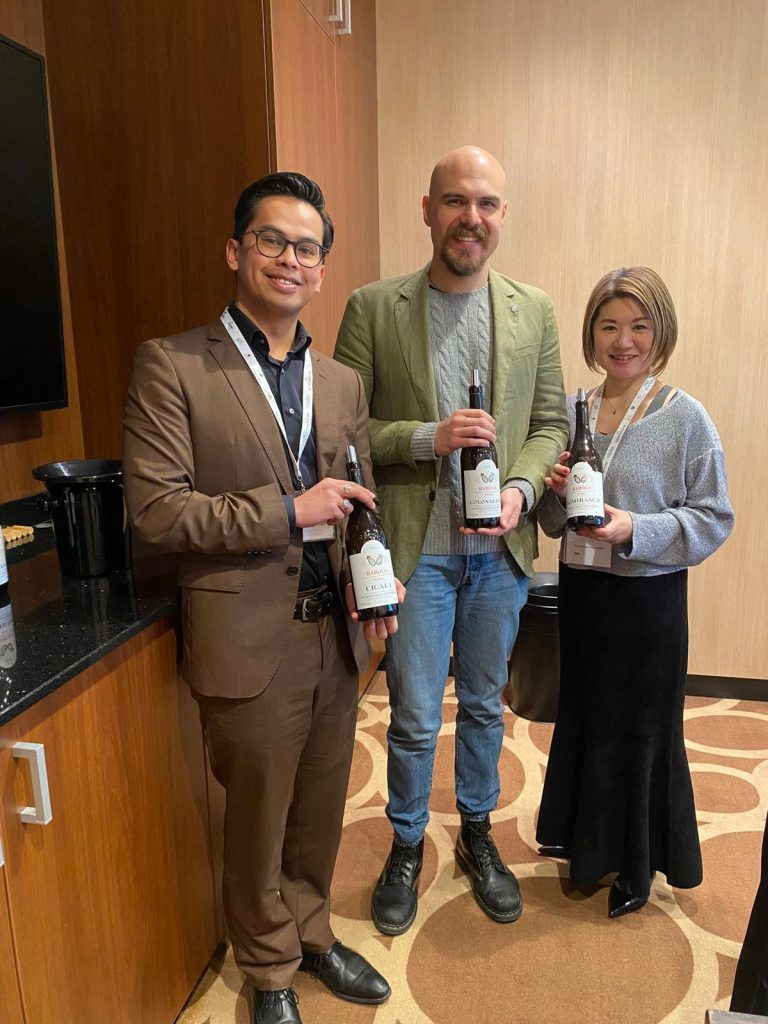
Miquel and Kazumi with Thomas Dörr of Dr. Bürklin-Wolf.
Tasting the evolution of Riesling: A Vertical Exploration
A highlight of the masterclass was the vertical tasting of Rieslings from two monopole vineyards: Wachenheimer Rechbächel (Premier Cru) and Forster Gaisböhl (Grand Cru).
Wachenheimer Rechbächel Premier Cru (1. Lage)
Rechbächel, spanning 3.12ha, is on a south-facing slope, with optimal sunlight, which warms very light, poor weathered sandstone of the red and yellow.
Spontaneous fermentation without temperature control has yielded a wine with pronounced minerality, salinity, and a long, precise finish. Despite the warm growing season, the wine retains vibrancy and balance.
Flighty, wet stone, yellow peach, apricot, citrus zest. Precise on the palate, with mouthwatering acidity, textured, salty minerality on the finish.
Hottest vintages on record, showcasing resilience and elegance. Lower acidity is complemented by a fine hint of tannic structure, resulting in a wine that is both approachable and age-worthy. Exotic fruits (pineapple), ripe apricot, honey, ginger, herbal aromas. Earthy, rich and round on the palate, with fresh acidity, satisfying finish.
Classic picture-perfect vintage before climate change, this wine offers a harmonious interplay of ripe fruit, crisp acidity, and mineral depth.
Honey, hay, Mayer lemon, yellow stone fruits. Balanced between sweetness, acidity, complexity from aging. Saline minerality.
Forster Gaisböhl Grand Cru (Grosse Lage)
The Gaisböhl vineyard, spanning 7.6-hectare Ruppertsberg top site, of which only 5.2 hectares are classified as GC sites. The south-facing site on the terraced gravel deposits with clay gives enormous body and a fine acidity and its aging potential.
Juicy yellow apricot and yellow apple, a hint of pineapple, cool herbal notes (mint), citrus fruits, quince. Refined structure and juicy mouthfeel, refreshing high acidity, minerality on the long finish.
A cold vintage with exceptional acidity. Long-term potential of terroir-driven Rieslings. Elegant stone fruits (peach, apricot), honey, a bit of earthiness, wet stone. Complex yet refined. Structured by mouthwatering high acidity, textured, long lasting mineral finish. DWA Score: 96(KU)
A testament to the aging potential of hot vintages, this 20-year-old wine remains vibrant and complex, offering tertiary aromas alongside a robust structure. Complex on the nose, yellow stone fruits, dried apricot, hay, mushroom, meyer lemon, Full-bodied, dense, with residual sugar, balanced with high acidity.
The Future of Dr. Bürklin-Wolf
As we explored the elegant expressions of aged Riesling, witnessing its evolution and timeless beauty, we also gained a deeper appreciation for Dr. Bürklin-Wolf’s unwavering pursuit of excellence. Their dedication to refining terroir expression and embracing sustainability ensures that their wines will continue to captivate connoisseurs for generations to come.
Unlike others in Germany, Dr. Bürklin-Wolf carefully reserves older vintages in their cellar, offering wine lovers and top restaurants the rare opportunity to experience aged Riesling at its peak. While this requires patience and commitment, it is essential to showcasing Riesling’s brilliance over time, which is not an easy decision.
Visitors to the estate are invited to immerse themselves in its innovations firsthand—from the meticulously tended vineyards to the serene beauty of its classical gardens—offering a glimpse into the future of this historic winery.
Tasting Highlights from the Heart of Bordeaux, Italy, North and South America
Besides two amazing masterclass there was a wealth of excellent wines available. To give you an impression we selected some of the highlights of the event.
Great Wines from all over the World on the Tasting Tables.
Bordeaux
2017 Château Cos d’Estournel | Saint-Estèphe | 97/100 DWA score (KU)
Incredible depth and complexity, with aromas of black currant, cassis, plum, pepper, graphite, spice, and tobacco. Seductive silky tannins and vibrant acidity, balancing fresh and aged fruit. Powerful and rich, yet sophisticated and elegant.
High Ranked Bordeaux Producer like Cos D’Estournel Present.
2022 Château Batailley | Pauillac | 96/100 DWA score (KU)
A special engraved bottle commemorating the life of Queen Elizabeth II, as Château Batailley 1947 was served at her silver wedding anniversary.
Concentrated on the nose with black fruits, sweet spices, pencil shaving, and mint. Powerful yet refreshing and elegant, with ripe tannins and vibrant acidity. Impressively long finish, with the mineral undertones of Pauillac.
2017 Les Forts de Latour | Pauillac | 94/100 DWA score (KU)
Mainly Cabernet Sauvignon, 25-30% Merlot
Notes of black currants, black berries, cassis, plum, pencil shavings, graphite, tomato leaf, cedar, with a hint of aged tobacco. Juicy on the palate with velvety fine-grained tannins. Long minerally finish.
2021 Châteaux Canon | Saint-Émilion | 94/100 DWA score (KU)
71% Merlot, 29% Cabernet Franc
Expressive vibrant red fruits (strawberry, cherries, red currant), sweet spices, floral. Dense and rich with weight on the mid-plate yet not overwhelmed. Pure, refined, and style.
The Wines of Calon Segur Performed amazing at the Tasting.
Piedmont
Nervi Conterno
We were in great luck: in the morning, we tasted Aldo Conterno’s wines. In the afternoon, we raced on to the booth of their cousins at Nervi Conterno in Alto Piemonte, who have been producing the grandest of Gattinara wines. The estate was already established in 1906 and was – for 90% – acquired by Roberto Conterno (from the Giacomo Conterno estate) in 2018.
The vintage where Roberto took over was a stunning one. Amazingly balanced and the finest of Gattinara wines from the Valferana vineyard, which stands at an altitude of 300 meters. The wine was classically vinified and aged for 48 months in large Slavonian barrels.
Aromas of dried cherry, strawberry, truffle and tar. Classic Alto Piemontese acidity and freshness, adding loads of ripe and smooth tannins to the palate.
With a slightly higher altitude than the Valferana, Molsino comes in at a height of 400 meters. The wine is fermented and aged in the exact same way as the Vigna Valferana.
Whereas the Vigna Valferana felt like a powerhouse, the Vigna Molsino embraces elegance with notes of fresh strawberry, cherry and raspberry. Herbaceous touch of fennel and classic truffle tones on the nose as well. Structure wise, about identical to the Vigna Valferana.
Barolo Galore! Several high-end producers from Piedmont lined-up.
Tuscany
Bibi Graetz
Those who have been around for a longer time, are familiar with the fact that we are great fans of the legendary Bibi Graetz. At the booth, we were accompanied by Tatiana Toropygina, who could tell us all about the wines and the estate – a story we will never get tired of listening to.
Tatiana Toropygina presenting the Wines of Bibi Graetz.
The fruit for this wine all comes from the tiny island of Giglio, specifically from high terraces and four separate vineyards, where ancient ansonica vines are planted in even more ancient granitic soils. The must ferments in stainless steel for a while, after which 70% is transferred into French barriques to age for 7 months in contact with the lees. Bâtonnage is applied.
Testamatta Bianco is an outstanding wine and ages wonderfully. This young variant is fresh and lively, with aromas of red apples, fresh apricot, nectarines, vanilla and a touch of bruised apple. This wine needs time, but is already accessible in its youth, showing tons of potential.
Solely hailing from the fully southern exposed Pietrabuona vineyard, where vines reach the age of a whopping 130 years old. Vinification and aging are identical to Testamatta’s.
Intense, yet elegant, this wine gives lots of dried apricot, bruised apple, honey and biscuits with a saline touch and herbal feel. Refreshing acidity keeps the wine lively and balanced.
The grapes for this cuvee come from 6 different vineyards and harvest was done in multiple sessions to ensure optimal ripeness. Vines are 60 to 70 years old and are located at an altitude of approximately 400 meters. Grapes from smaller plots were pressed and put in open-top French barriques. Larger plots went into 50hl casks. After fermentation with indigenous yeasts only, all wine was transferred into 50hl casks and aged for 18 months.
The Testamatta Rosso embodies the ultimate sangiovese based Super Tuscan and gives us flavors of cherry, oregano, dried strawberry and a hint of nutmeg. Refreshing acidity and hallmark sandy sangiovese tannins. Bibi excitedly stated that he has never made a Testamatta like this. We join him in excitement.
From the Olmo and Lamole vineyards, where 80-year-old vines are a long way from their retirement as they tirelessly continue to give us the concentrated grapes that go into this cuvee. Picking, vinification and aging are similar to the Testamatta.
Super intense wine with tons of dried cherry, strawberry, oregano, leather and a touch of fennel on the nose. On the palate, this wine gives a big and bold structure, without sacrificing any elegance, due to the medium (+) acidity that keeps the wine balanced. This one defines fine wine.
Outside of Europe
2021 Seña | Aconcagua Valley, Chile |94/100 DWA score (KU)
50% Cabernet Sauvignon, 27% Malbec, 17% Carménère, 6% Petit Verdot
Pure, elegant, and refined with a complex aromatic profile—strawberry, cassis, rose, spices, and chocolate. Dense and compact, with juicy acidity and smooth fine-grained tannins, embodying the finesse of a cool-climate vintage.
Complex and layered, offering blackberry, ripe cassis, strawberry, wet stone, violet, vanilla, and chocolate. Opulent, structured palate, with ample tannins. Despite its youth, the wine is already remarkably approachable.
2021 Opus One | Napa Valley | 95/100 DWA score (KU)
Ripe expressive fruits aromas of ripe black berries, cassis, plum, violet, vanilla, baking spices, licorice, black tea, dark chocolate. Opulent on the palate, high refreshing acidity, and plush high tannins. Dense, rich, powerful wine.
The Tasting also included an extensive New World Section.
Conclusion
Poot Agenturen proves, over and over again, they have access to the finest of wines globally. The Masterclasses of Aldo Conterno and Bürklin-Wolf had Kazumi and Miquel in complete awe. The booths, mostly ran by representatives of either Poot or the corresponding estates, saw people lining up in abundance to have a glimpse of the wines they served. The same people would walk away in satisfaction and smiling from ear to ear after having tasted the wines they so longed for, including ourselves.
That is the Poot effect: you enter, anxious to try those cult wines you have only heard of in stories of a lucky few. You leave, wholly satisfied and left with the question: when is the next portfolio tasting by Poot Agenturen?
Well, we have got news for you, by the time of this publication it is just around the corner! Traditionally hosted around the end of January the 2026 edition is set for the 18th and 19th of January 2026, and we will be sure to be there and cover it for you!
This article is written by our own Kazumi Uejo (KU) and Miquel Claase (MC). We would like to thank the Poot Agenturen team and all wineries present for the excellent tasting and masterclasses. All wines discussed are imported in the Netherlands by Poot Agenturen, and available for sale to professionals. Consumers can get their hands on these wines through selected partners.
Join our insiders’ list and get exclusive early access to new articles, expert tips, and fresh reviews delivered straight to your inbox. Subscribe now and be the first to discover!