Join Our Wine Journey – Sign Up for the Newsletter 🍷
L’Académie des Vins de Bouzy Takes Its Terroir to Amsterdam
Share
Deel op X (twitter)
LinkedIn
WhatsApp
L’Académie des Vins de Bouzy Takes Its Terroir to Amsterdam.
Have you ever tasted the red wines from Bouzy? Do you know anything about the appellation Coteaux Champenois? If not, it’s time to get familiar—because it’s coming for you.
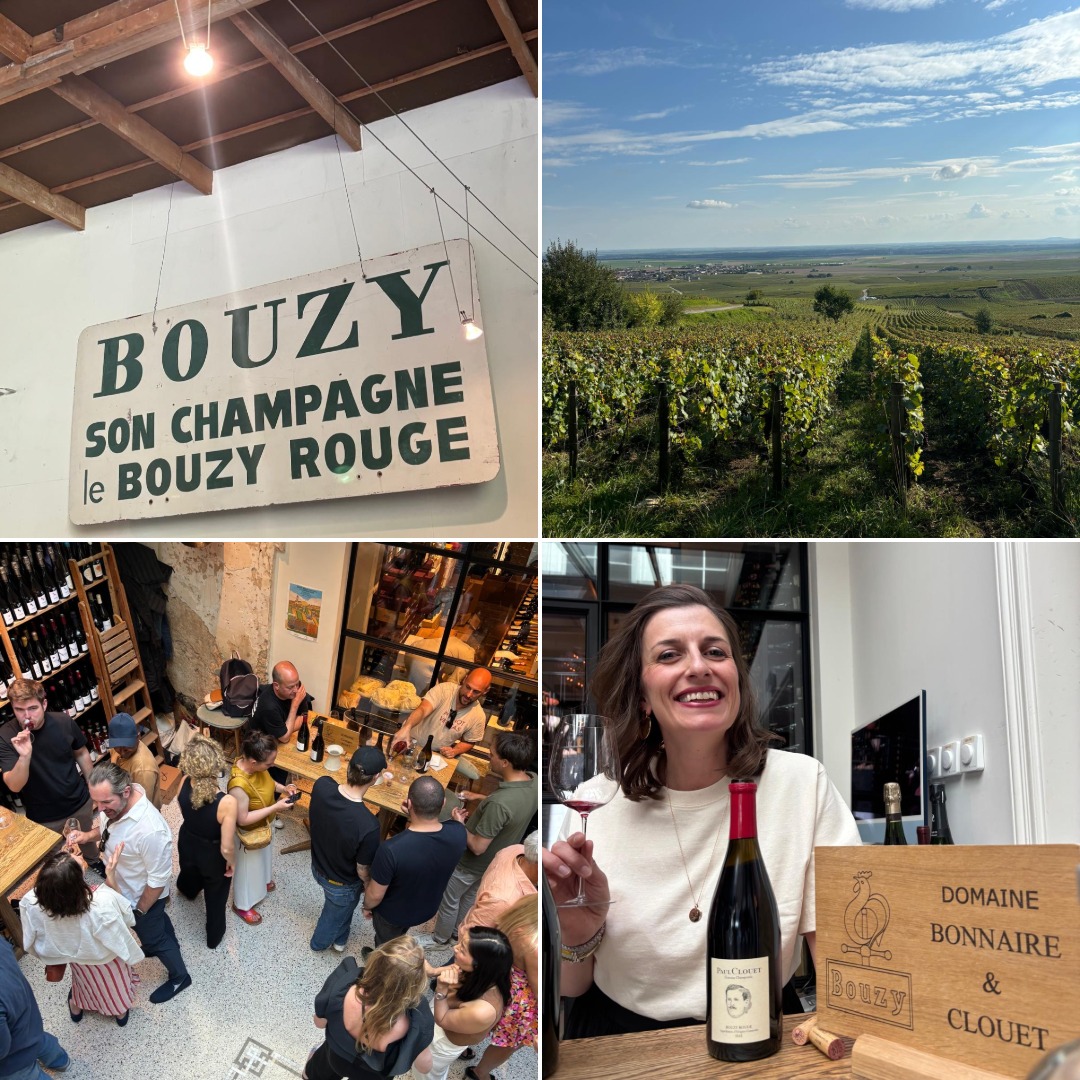
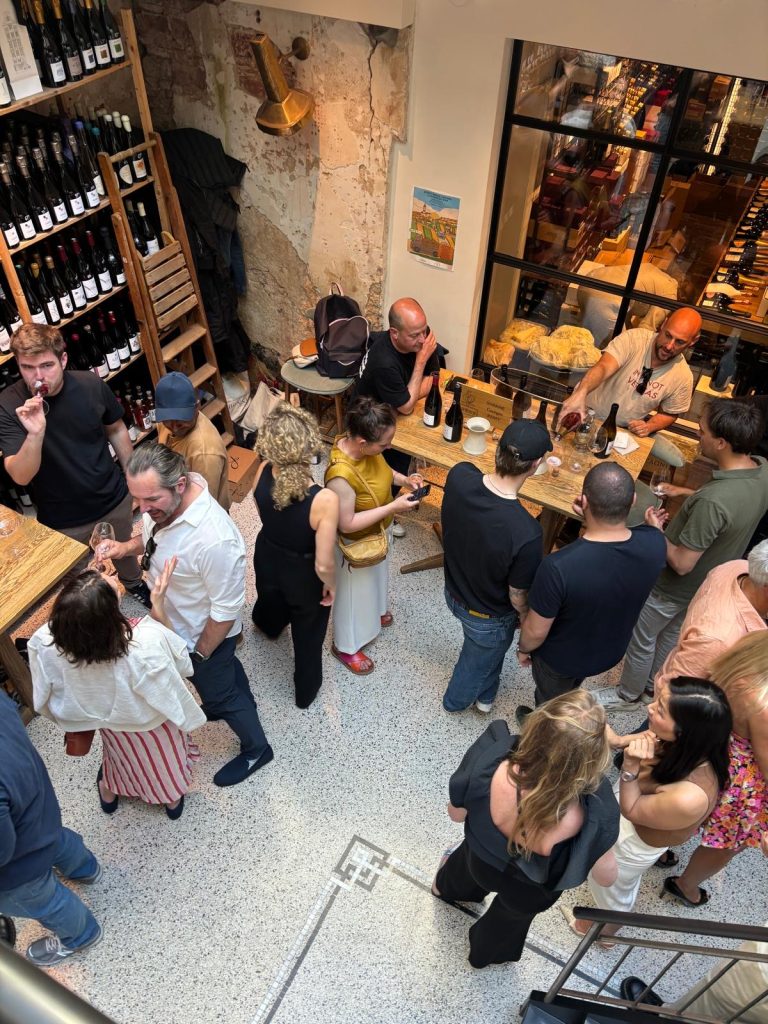
This year, the Académie des Vins de Bouzy stepped beyond France’s borders to present its heritage to an international audience in Amsterdam, at L’Atelier du Champagne—and left a lasting impression.
Bouzy: Land of Pinot Noir and Royal History
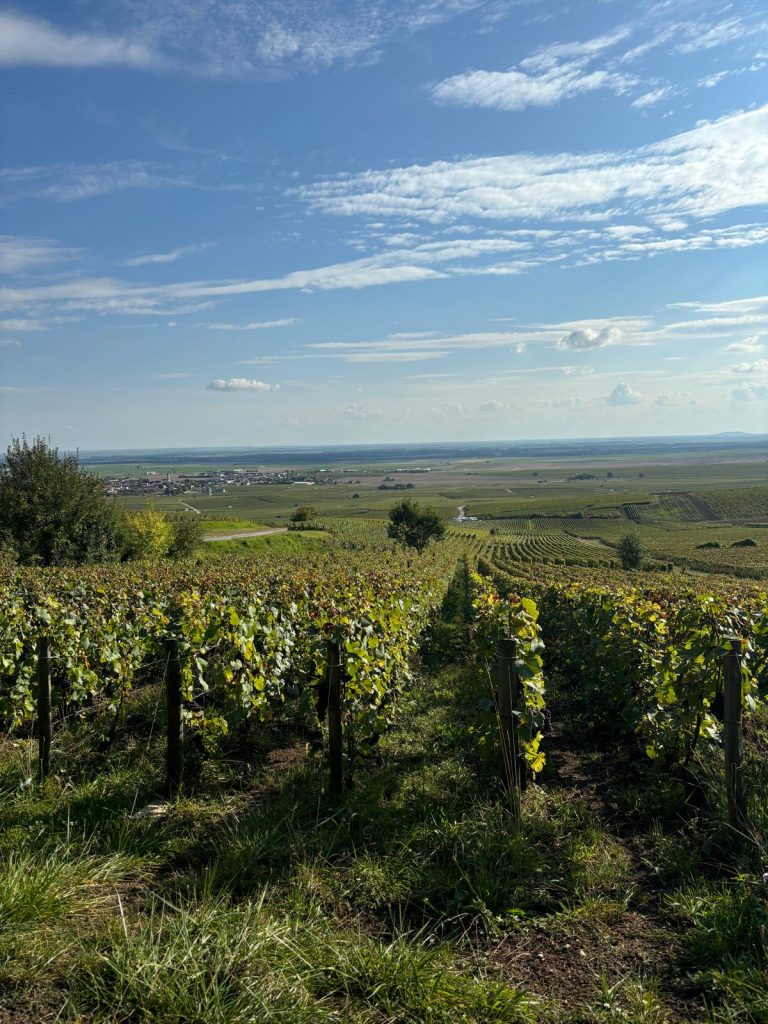
To start with, let’s talk about Bouzy. Bouzy is a Grand Cru–classified village in the southern part of Montagne de Reims, in the beautiful Champagne region. With its south-facing slopes that collect generous sunshine and its predominantly chalky soils, this terroir is ideal for producing Pinot Noir—wines with ripeness, structure, and minerality.
While champagne dominates production today, Bouzy’s history with still red wine, known as Bouzy Rouge, runs deep. As early as the 14th century, these wines graced the tables of French royalty, including Louis XIV.
With the discovery and rising popularity of champagne, the production and consumption of still wines in Champagne declined dramatically. Today, only around 80,000 bottles of still wine are produced in the entire region, and only in good years.
A few decades after Champagne became an AOC in 1936, the AOC Coteaux Champenois was created in 1974 to showcase regional expertise and preserve the tradition of still wines. That’s where the village of Bouzy stepped in.
Bouzy, Land of Pinot Noir.
The Académie: Guardians of a Tradition
Founded in 1992 by a group of local winemakers, the Académie des Vins de Bouzy was created with a mission: to preserve the tradition of still wines in Bouzy while maintaining the excellence of its champagnes.
Since its creation, the group has met regularly to taste together, experiment with vineyard practices, and exchange ideas. The Académie also carries out research on soils, identifying the best plots for Pinot Noir destined for Bouzy Rouge. They track climate data, too, analyzing the evolution and potential of the terroir. A true collective of passionate winemakers.
The presidency of the Académie rotates, with a winemaker chosen to lead for at least one year. This brings renewal and fresh ideas, since each member brings a different perspective. This year, it is Franck Moussié from Domaine Méa. Although his domaine is located in Louvois, he and his wife Sophie also own plots in Bouzy and are deeply connected to this terroir. Franck’s project this year is to promote Bouzy wines abroad—starting with Amsterdam.
Bouzy Rouge, what is it?
Out of Bouzy’s 385 hectares of Grand Cru vineyards, only a small share is dedicated to producing still red wine. Selection in the vineyard is strict: harvesters choose the ripest and healthiest grapes, with further sorting done at the winery. Grapes often come from the oldest vines planted on clay-rich soils that bring roundness and maturity.
Winemaking follows the classic red wine path: destemming (or not), skin maceration, fermentation, and aging in stainless steel, oak, amphora, or concrete. With Champagne’s yield limits and higher demand for sparkling wine, Bouzy Rouge is produced only in small quantities, and usually only in great years.
The style of these reds is distinctive: powerful yet juicy, with vibrant cherry notes and freshness, capable of ageing gracefully.
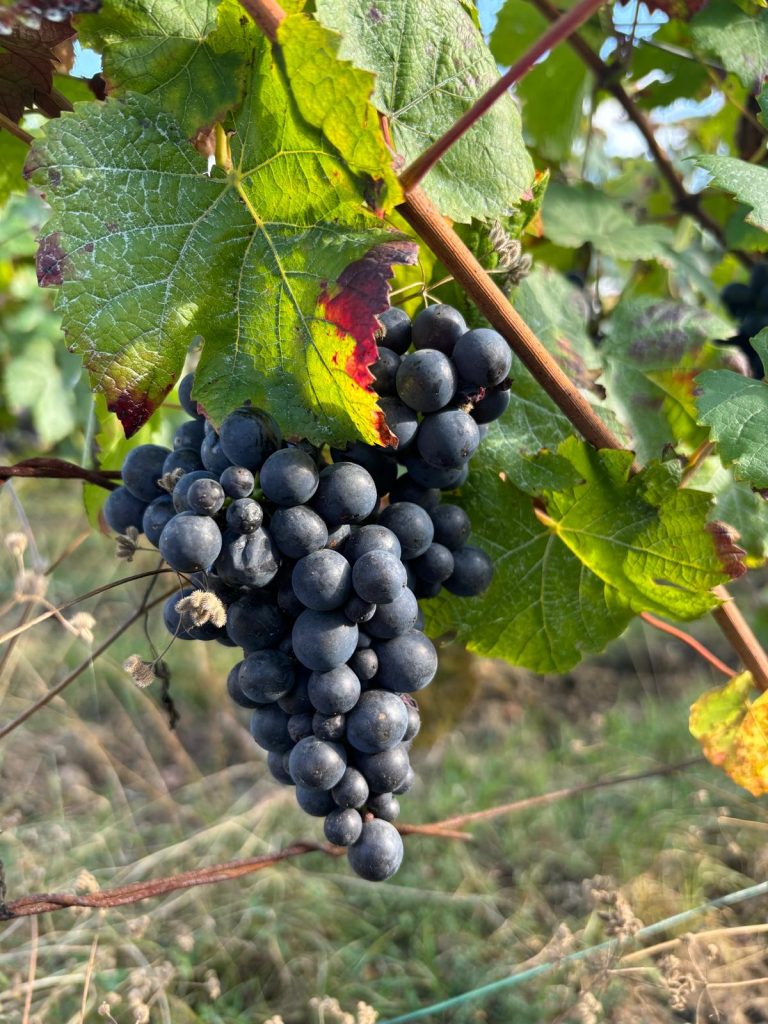
Pinot Noir Grapes in Bouzy.
Let’s Not Forget About the Rosé Wines
Rosé champagnes also hold great importance in Bouzy. In the AOC Champagne, rosé can be made by blending red wine with white wine—a technique not permitted anywhere else in France, where rosé must be made through skin maceration.
The rosé d’assemblage method has long been authorized in Champagne, as it reflects the region’s tradition of red wine production. It allows winemakers to craft wines with aromatic complexity and flavor nuances not always achievable with saignée rosés. The percentage of red wine added also gives precise control over color. The result? Elegant, structured, and deliciously fruity rosés.
The rosé de saignée (“bleeding”) method is used exclusively with red grapes. After a short maceration to extract color, tannins, and aromas, a portion of juice is drawn off. These champagnes are often spicier, with vibrant red fruit aromas and a more tannic structure.
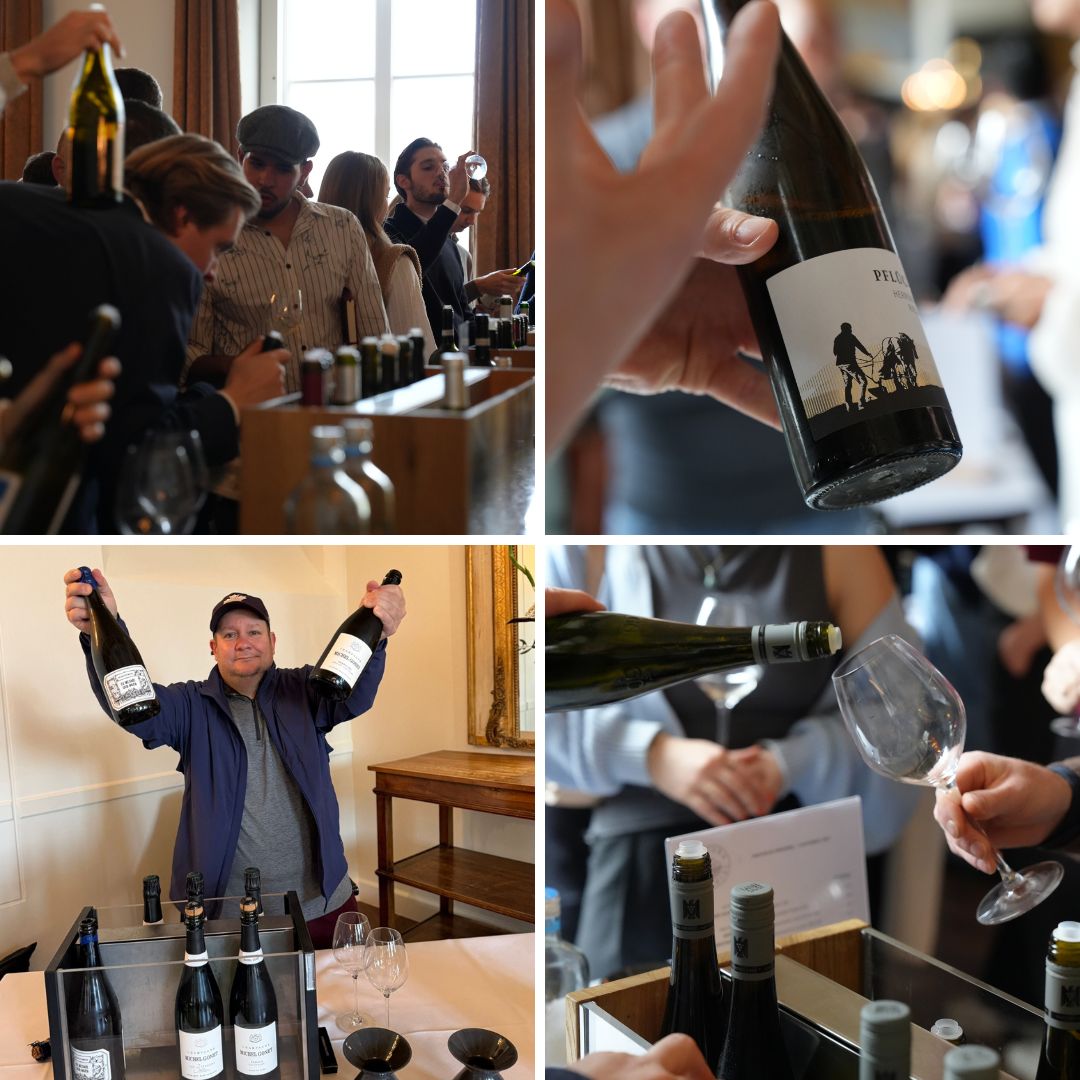
This topic fascinated sommeliers and wine enthusiasts who attended the tasting event in Amsterdam last spring.
Winemakers themselves hosted masterclasses on topics such as “Aging in Red Wines from Bouzy” and “Differences between Rosé d’Assemblage and Rosé de Saignée.”
Among the wines tasted:
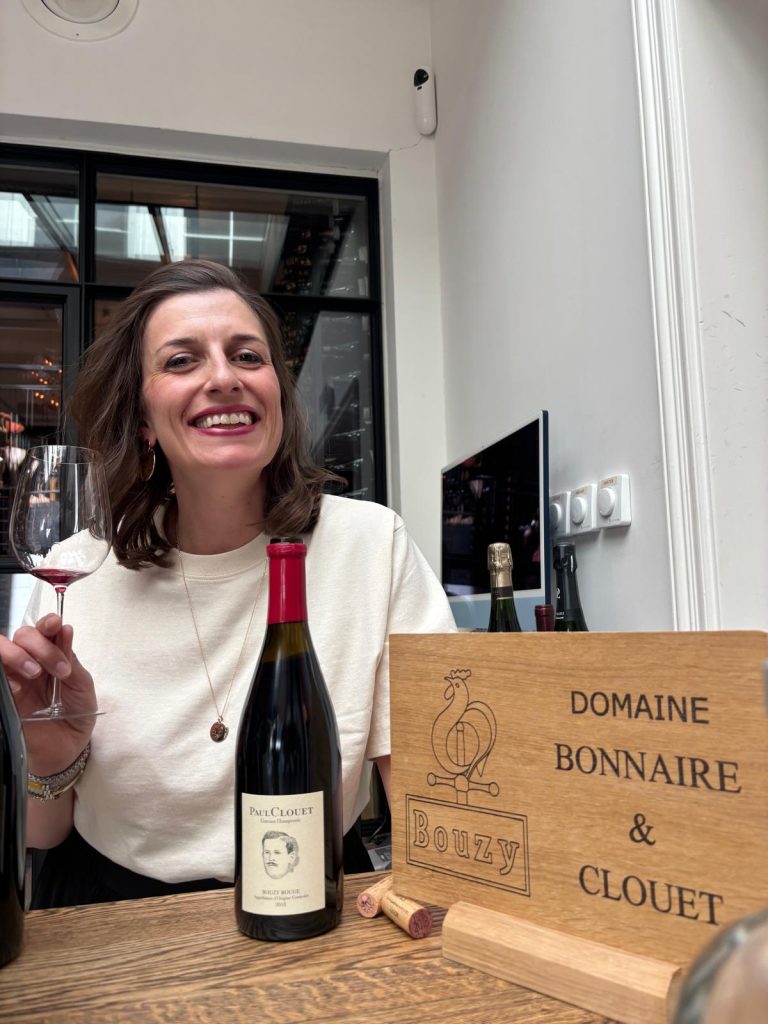
A rosé d’assemblage from Paul Clouet (Bonnaire Clouet), blended with 12% Pinot Noir from old vines, fermented and aged in stainless steel. The result: a brut rosé champagne, round and spicy, perfect with charcuterie or cheese.
A rosé de saignée from Domaine Méa, made from 100% Pinot Noir from Bouzy. Destemmed, with 18 hours of skin maceration and aged in amphora for one year, it showed bright red fruit aromas with a touch of minerality—an ideal pairing with Asian dishes such as Peking duck.
A 2015 red Pinot Noir from Champagne Brice, sourced from three historic plots. Fruity, with candy-like acidity.
A 2005 Les Vaudayants from Georges Remy. Harvested two weeks after grapes for champagne, with two weeks of skin maceration, remontage/pigeage, and two years in oak barrels. Rich, ripe, with cherry and earthy notes.
A 1985 red wine from Maurice Vesselle’s cellar. Stunning, with incredible freshness and vibrancy—proof that Bouzy reds can age gracefully.
Domaine Bonnaire & Clouet at the Tasting.
After a full day of tastings—and even a few people getting the Bouzy logo tattooed, thanks to a tattoo artist at the event—the day closed with an after-party at Bar du Champagne. Glasses of Bouzy Rouge and rosé champagne flowed late into the night.
Beyond Borders
By choosing Amsterdam, the Académie des Vins de Bouzy showed its ambition to bring Bouzy wines to a wider audience. As the Académie expands its reach, one thing is clear: whether in the royal courts of France or the lively bars of Amsterdam, the wines of Bouzy continue to capture imaginations.
This article is written by our own Charlotte Sauzet. We thank the Académie des Vins de Bouzy and the producers present in Amsterdam, as well as L’Atelier du Champagne for their invitation and support in writing this article.
Join our insiders’ list and get exclusive early access to new articles, expert tips, and fresh reviews delivered straight to your inbox. Subscribe now and be the first to discover!