Join Our Wine Journey – Sign Up for the Newsletter 🍷
Favia Wines: Full Circle in Napa Valley, With Eyes Firmly on the Future
Share
Deel op X (twitter)
LinkedIn
WhatsApp
Favia Wines: Full Circle in Napa Valley, With Eyes Firmly on the Future.
At the 2026 edition of Wine Paris, we sat down with Annie Favia and Andy Erickson to reflect on their journey, their philosophy, and the next chapter of Favia Wines. During this extended conversation, we also tasted their Favia Napa Valley Cabernet Sauvignon 2023, a wine that proved to be both a summation of decades of experience and a clear signal of where the estate is heading.
Few couples have influenced Napa Valley as quietly yet as profoundly as Favia and Erickson. Through vineyard development, winemaking, and long-standing collaborations, their impact reaches far beyond their own label. The 2023 Cabernet Sauvignon marks a return to one of their earliest estate ideas, while the development of a new winery in Oakville confirms a long-term vision rooted firmly in place.
Shaping Napa Valley From the Inside Out
Annie Favia and Andy Erickson arrived in Napa Valley in the early 1990s, just as the region was undergoing one of the most transformative periods in its history. Phylloxera-driven replanting, shifting viticultural paradigms, and a surge of international attention reshaped the valley almost overnight.
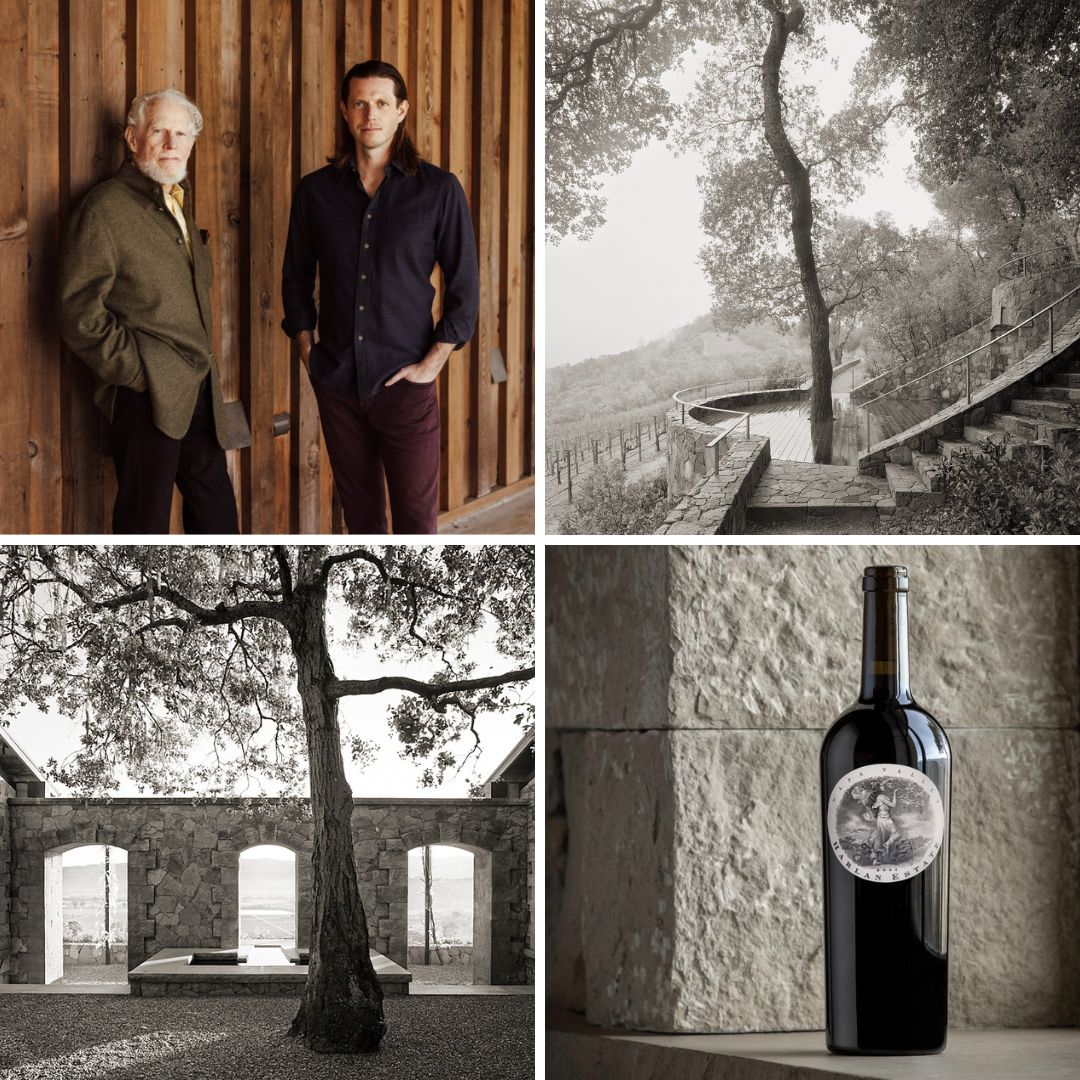
Andy’s early career placed him at the heart of Napa’s modern rise. He worked alongside figures such as Bob Levy and went on to play key roles at some of the valley’s most iconic estates, including Harlan Estate, Screaming Eagle, and Staglin Family Vineyard. His time at Screaming Eagle coincided with the winery’s ascent to cult status, while his broader body of work helped define a more measured, age worthy expression of Napa Cabernet Sauvignon.
Andy’s reputation grew not through stylistic excess, but through precision and consistency. Even during an era dominated by power and extraction, his wines showed structure, clarity, and an underlying sense of calm authority—qualities that would later become central to Favia Wines.
Annie Favia and the Vineyard Renaissance
If Andy’s legacy is most visible in the glass, Annie’s influence is written into Napa Valley’s vineyards. Her formative years working with Cathy Corison shaped her belief in restraint, longevity, and the primacy of site. Yet it was her decision to step away from the cellar and into the vineyard that defined her path.
Her collaboration with David Abreu placed her at the epicenter of Napa’s replanting era. Working on some of the valley’s most important sites, Annie developed a deep understanding of soils, exposures, and vine balance—knowledge that continues to inform her work today.
Long before organic farming and biodiversity became widely discussed, Annie was already implementing them in practice. Native plants, insectaries, diversified agriculture, and careful canopy management form part of a holistic system designed to respond to Napa’s climate rather than dominate it.
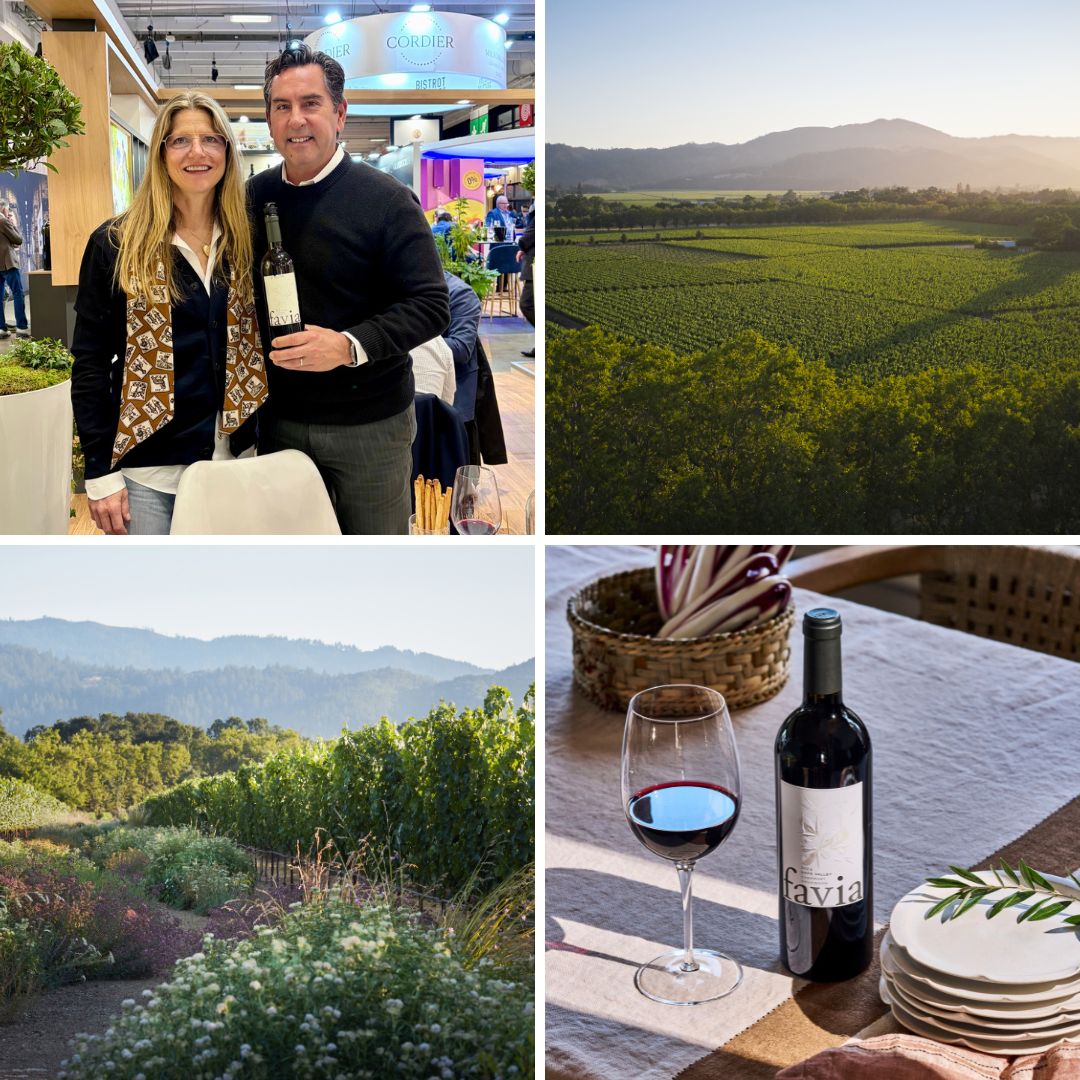
Oakville, one of Favia’s playgrounds.
Consulting, Collaboration, and Perspective
Together, Annie and Andy became trusted partners to a wide range of Napa Valley producers. Their consulting work offered a rare vantage point across appellations and styles, reinforcing their belief that Napa Valley is not a single expression but a mosaic of distinct voices.
This breadth of experience sharpened their own focus. Cabernet Franc emerged early as a variety they felt was underexplored in Napa, while Cabernet Sauvignon became the canvas on which all their accumulated knowledge could converge. Favia Wines was never conceived as a volume-driven project, but as a space for clarity and intention.
The Evolution of Favia Wines
Favia Wines began in the most modest of settings: a garage. From 1996 onward, Annie and Andy fermented small lots from carefully chosen vineyards, trading bottles rather than selling them. The first commercial release followed in 2003, quickly establishing the estate as one of Napa’s most thoughtful, understated voices.
Cabernet Franc led the way, challenging perceptions of the variety’s role in the valley. Cabernet Sauvignon followed naturally, culminating in the first release of Favia Napa Valley Cabernet Sauvignon in 2005—a wine conceived as a synthesis of multiple sites and complementary appellations.
Cabernet Sauvignon, one of the two main actors at Favia Wines.
Favia 2023 Napa Valley Cabernet Sauvignon | DWA Rating: 96/100 (NA)
The 2023 vintage marks the return of this wine as the cornerstone of Favia’s future. Fruit from Oakville and Coombsville once again forms the backbone of the blend.
Oakville brings structure, depth, and classic Napa power, while Coombsville contributes freshness, aromatic precision, and a finer tannin profile shaped by its cooler climate and proximity to San Pablo Bay. Cabernet Sauvignon dominates, supported by just under 25% Cabernet Franc, used for lift and nuance rather than emphasis.
Unfined and unfiltered, the wine is seamless and complete. Its balance speaks of experience rather than ambition—power held in check by precision, freshness, and texture. This is a Napa Cabernet that looks forward without forgetting its origins.
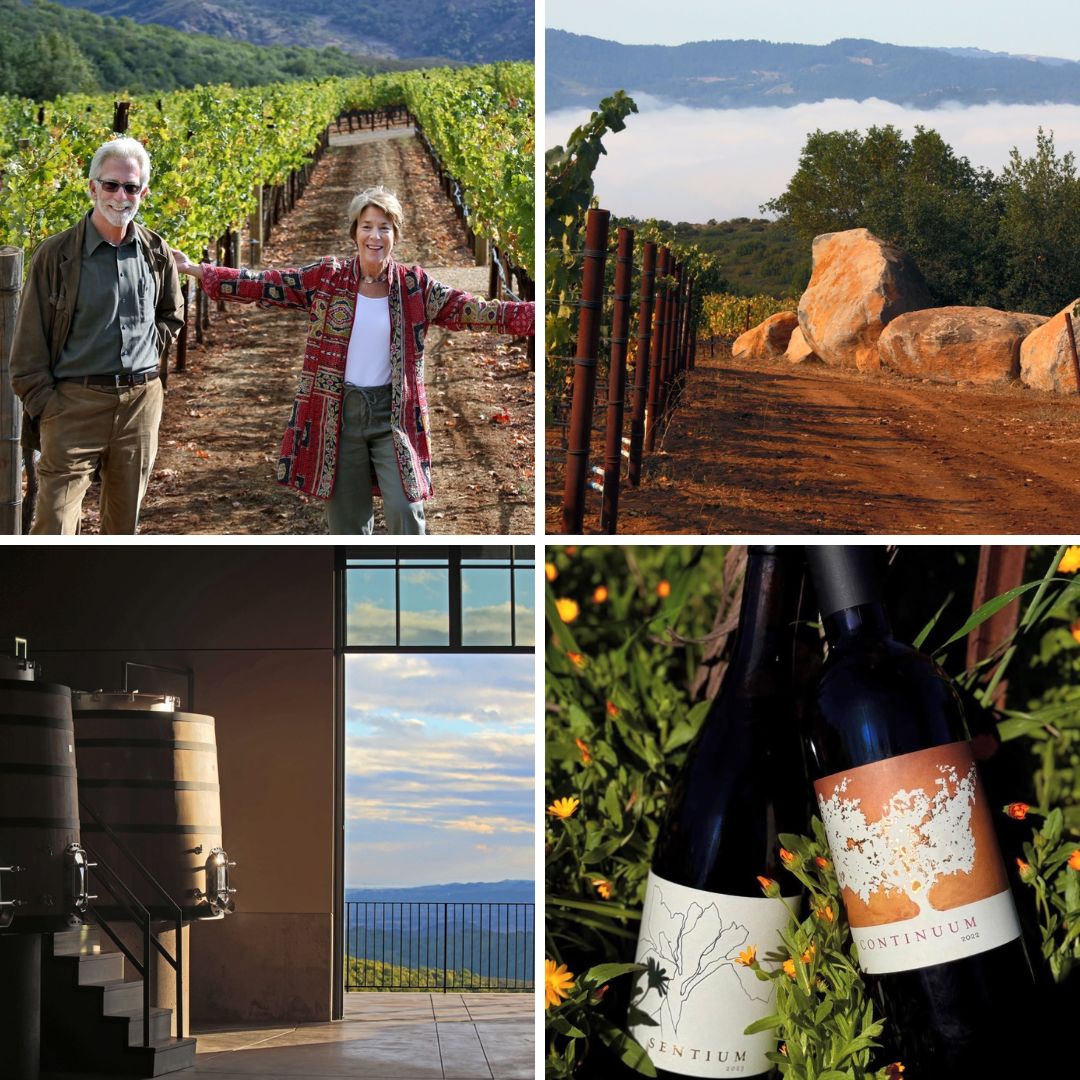
Annie and Andy at WineParis with their 2023 Napa Valley Cabernet Sauvignon.
Rooting the Future in Oakville
The acquisition of a 34.8-hectare estate in Oakville represents a decisive step toward permanence. At its center will be a new winery designed in close collaboration with Frida Escobedo. Known for her work on the Serpentine Pavilion in London and major cultural institutions in Paris and New York, Escobedo brings an international architectural language to a deeply local project.
The goal is not spectacle, but coherence: a winery that integrates seamlessly into its surroundings and serves the rhythms of farming and winemaking. The first wines from this new home are expected around 2026.
Andy and Annie, a golden duo in the cellar and vineyard.
Legacy in Motion
As estate vineyards come into production, volumes of the Napa Valley Cabernet Sauvignon will increase gradually, allowing for a more meaningful international presence without compromising identity. Other wines remain tied to their original sites, and long-standing grower relationships—some spanning more than two decades—remain central to the project.
Our conversation with Annie Favia and Andy Erickson at Wine Paris made clear that their story is far from complete. The 2023 Napa Valley Cabernet Sauvignon captures decades of accumulated knowledge, shaped by some of Napa Valley’s greatest vineyards and guided by a shared belief in restraint, integrity, and place.
This article is written by our own Niels Aarts. With thanks to Annie Favia and Andy Erickson of Favia Wines for their time and openness, and to Winelister for setting up and facilitating this interview. The wines are available in the Netherlands (in limited quantities) through Vinoco (John van Trijp).
Join our insiders’ list and get exclusive early access to new articles, expert tips, and fresh reviews delivered straight to your inbox. Subscribe now and be the first to discover!