Join Our Wine Journey – Sign Up for the Newsletter 🍷
Château Clinet – A Modern Soul on a Classic Soil
Share
Deel op X (twitter)
LinkedIn
WhatsApp
Château Clinet – A Modern Soul on a Classic Soil.
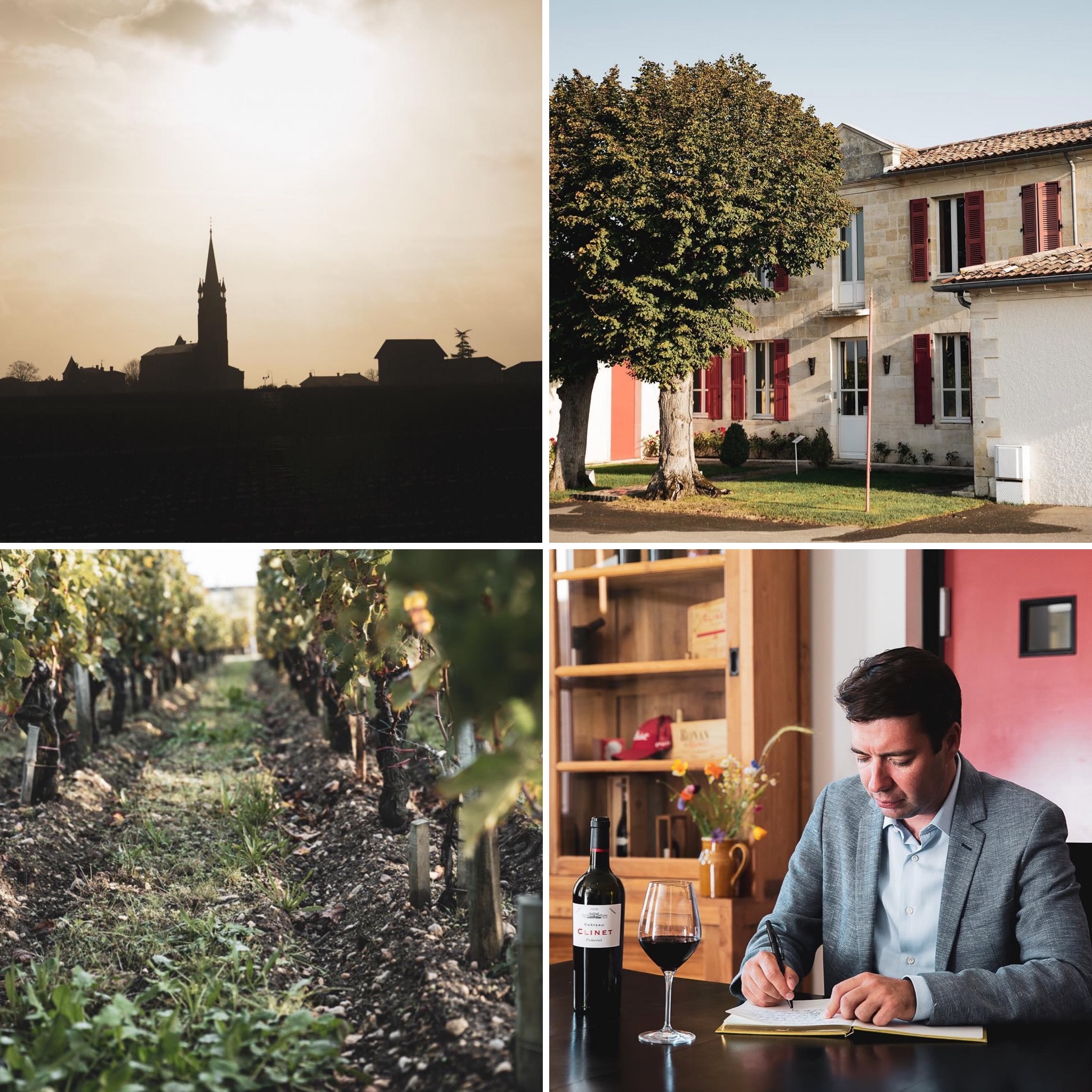
In the heart of the Pomerol appellation, where some of Bordeaux’s most revered Merlot-based wines originate, lies Château Clinet. An estate with credentials to compete the best, but build on quiet confidence. “Introspection is the key”,says Clinet’s owner.
Not only to push Clinet to its limits, but more than that to shape the future of fine wine in Bordeaux. Please step inside for an intimate glimpse into the world of Clinet’s driving force and former Chairman of the Union de Grand Cru de Bordeaux (UGCB) Ronan Laborde.
Entering Bordeaux
Laborde, who took over the reins of Château Clinet in the early 2000s, wasn’t born in Bordeaux. “I’m a recent comer, if not a newcomer,” he says. “As a young Parisian wine geek, I was dreaming of Bordeaux.” It was this passion that has taken him towards one of most coveted positions of Bordeaux. “We ended up in Bordeaux because we were in confidence here.”
In Château Clinet Laborde finds balance between accessibility and ambition. “Clinet was a high-end small-sized estate, with opportunities to express our creativity,” Laborde recalls. Smiling: “and Clinet was an easy name to pronounce.”
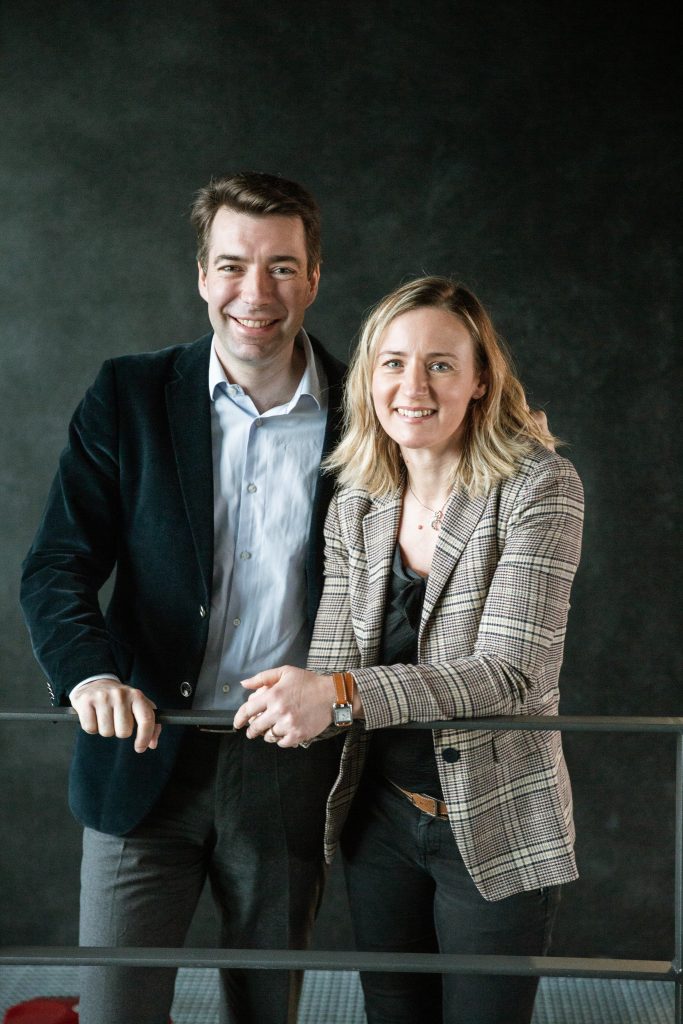
Ronan Laborde and Monique Bailly, the power couple behind Château Clinet.
Clay & Character
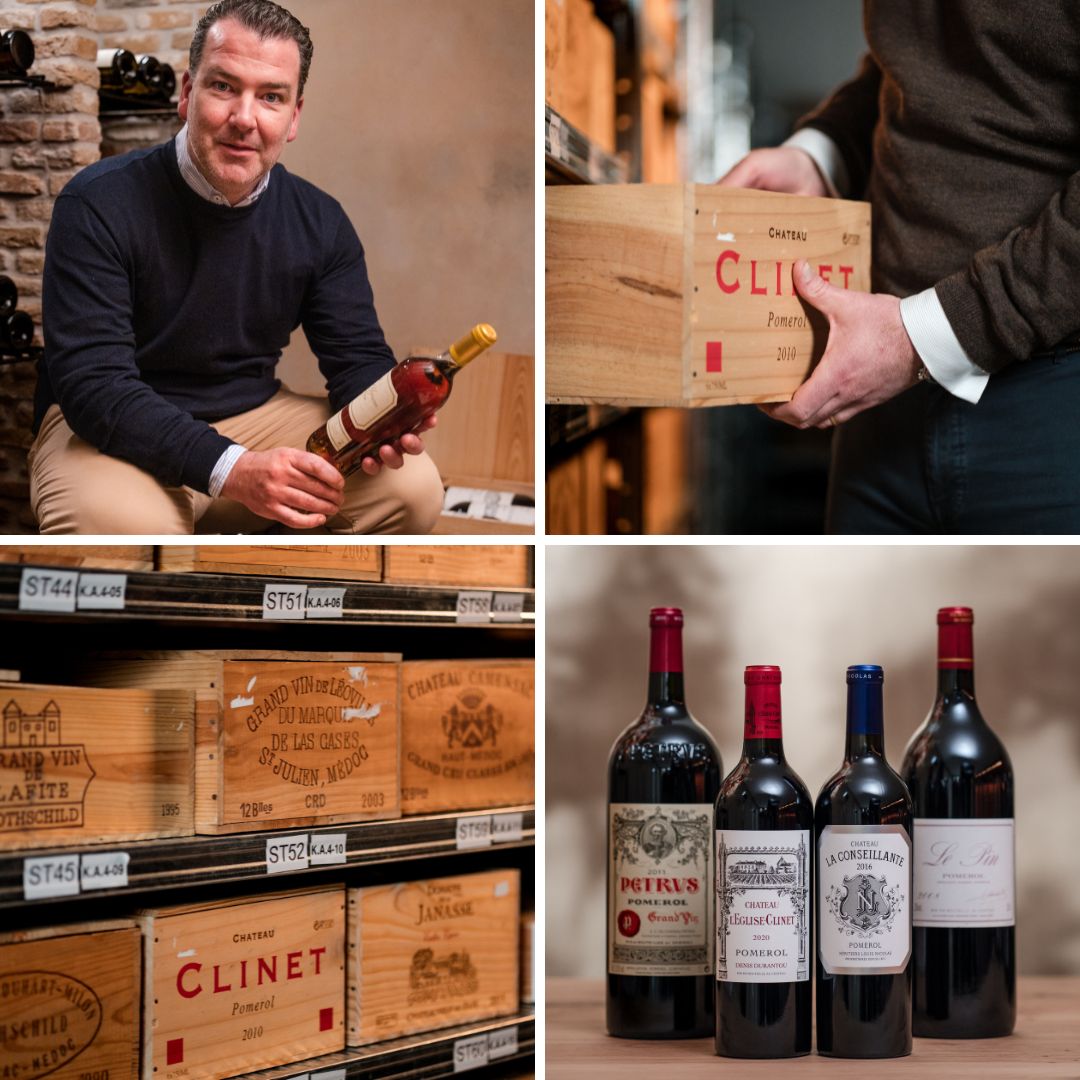
Clinet is part of the Pomerol appellation that spans only 800 hectares. Despite its modest size, it is known for some of the world’s most exclusive wines, such as Petrus and Le Pin. Château Clinet proudly competes among them. The estate benefits from deep clay soils, ideal for growing Merlot. While Merlot reigns supreme here, Clinet is distinguished by its unusually high proportion of Cabernet Sauvignon – up to 25%. “We have the largest proportion of Cabernet Sauvignon in Pomerol,” says Laborde. “It brings an additional dimension in our wines — structure, freshness, and complexity.”
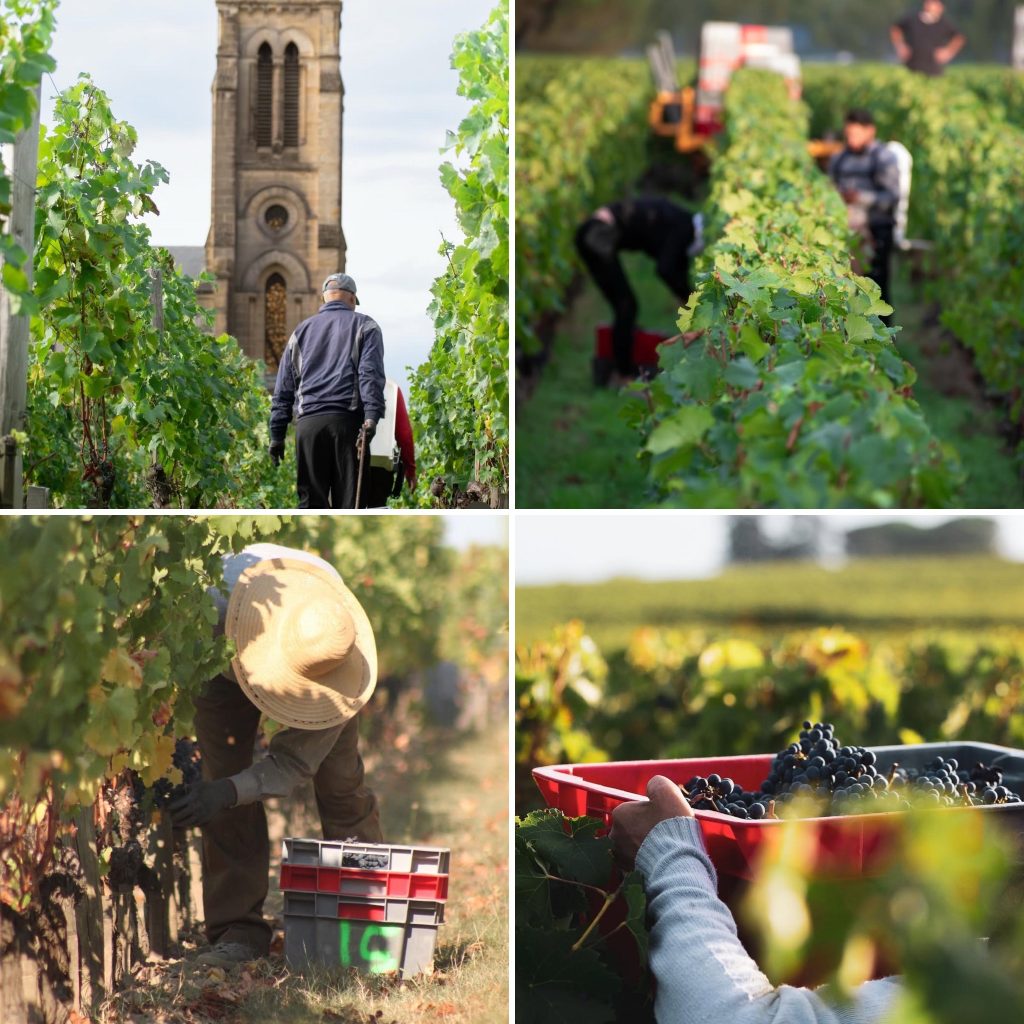
The Vineyards of Clinet in Pomerol.
By Clinet, beyond Clinet
After modernizing the winery and investing in the vineyard, Laborde and his team looked for ways to expand their activities beyond the Château itself. Rather than acquiring additional vineyards, they chose a collaborative path. Partnering with trusted winegrowers leads to the development of the By Clinet range, including Pomerol by Clinet and Ronan by Clinet. These wines reflect the estate’s philosophy while simultaneously offering accessibility and drinkability.
Renaissance of Bordeaux’s Whites
In addition to the expand of red wines, Laborde also embraced diversification through the production of white and rosé wines. An uncommon practice in Pomerol today. While Bordeaux nowadays globally is associated with red wine, this hasn’t always been the case. Until the 1970s, white wines dominated production in the region. Laborde sees a shift back toward that legacy: “The terroir, the soils, and the climate are well suited for whites.” He points to history for support. Centuries ago, Dutch traders exported vast volumes of white Bordeaux around the world to supply ships on long voyages. Laborde is proudly contributing to that renaissance.
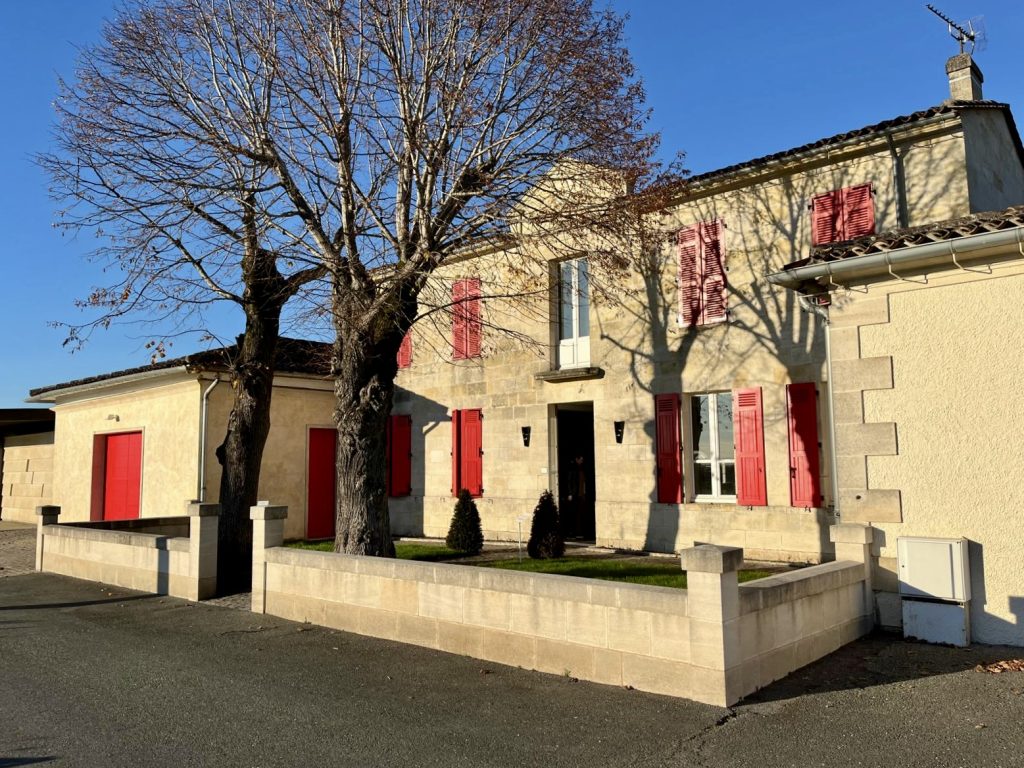
Château Clinet, Iconic and Recognisable with its Red Shutters and Doors.
Beyond Château Walls
As mentioned, Laborde’s role in Bordeaux extends beyond the gravel paths of Clinet. As former Chairman of the Union des Grands Crus de Bordeaux (UGCB), he represented the collective voice of the region. The UGCB represents 132 prestigious wine producers from 14 different appellations across the Bordeaux region, including both the Left and Right Banks. “Bordeaux is a very open wine region,” Laborde experiences firsthand. “Despite being an outsider, I became chairman of the UGCB.”
In his role as chairman, Laborde has seen a significant transformation of the global wine market. This shift has led to a change in marketing and distribution. Laborde comments: “When I started my business, we were giving allocations to the Bordeaux wine merchants. They could do whatever they wanted. That’s not the case anymore.” Today, producers like Laborde are taking an active role in promotion. “We need to cooperate to create strong partnerships.”
Bordeaux Wine Revolution
Despite its challenges, Laborde says Bordeaux’s position at the global wine market is stronger than ever. He highlights the significant improvements that Bordeaux have made through research and investment. “I see big investments in Bordeaux, often made by companies outside the wine business.” With universities and producers working together, Bordeaux has evolved into a global hub for winemaking expertise
As a direct result of investments in viticulture and winemaking techniques, Laborde notices evolving wines styles. “Bordeaux is more and more about the singularity of the place,” he explains. With advancements in grape selection, timing of harvest, and refinement of vinification methods, wines are getting more and more precise. Modern techniques have eliminated the barriers that once masked the soul of the wine. Modern Bordeaux wines are opening up earlier, without prejudice of aging potential. “We are lucky to have this aging capacity. Time is a luxury, that creates something very special.”
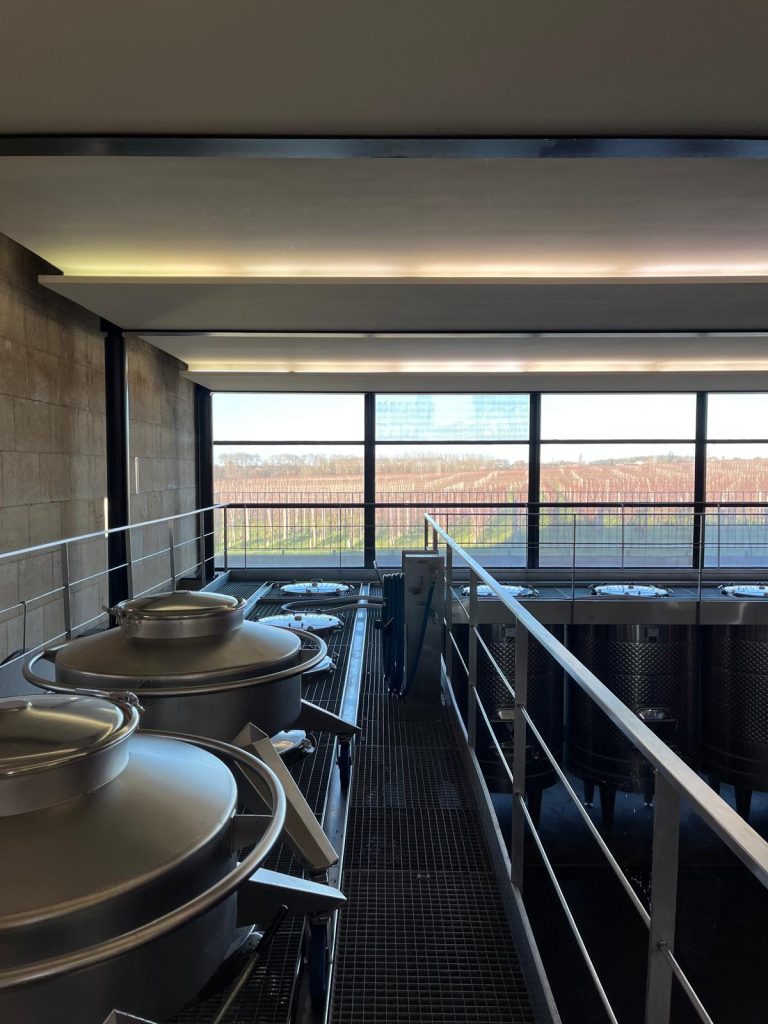
The Modern Cellar of Clinet, with its Vineyards in the Background.
The Wines
During our visit we had the pleasure to share two wines from the Clinet portfolio. Below a description of the wines and our findings.
Fleur de Clinet 2021
Second label of Château Clinet. “It is not just a second label,” Laborde says. “Fleur de Clinet is made from specific plots form young vines and lighter soils. It still is a serious wine, but in a different register.”
The wine opens with a refreshing and vibrant mix of red and black fruit, including red and black currants, followed by floral notes and a subtle mineral undertone. The aromas evolve to reveal delicate hints of herbal tea and wild herbs.
On the palate, the wine is juicy and approachable, with a fruit-forward profile dominated by red fruits, complemented by a touch of black fruits and black tea. Refined and slightly mineral. Well-balanced, with a lively freshness cleaning the palate. The tannins are mineral-like and gripping, not drying or harsh, providing a fine texture.
DWA Score: 90/100 points
2018 Château Clinet
The bouquet of Château Clinet 2018 is rich and expressive, revealing layers of ripe forest strawberry, black cherry, and succulent blackberry. There’s a refined hint of new oak, seamlessly integrated, with underlying notes of dark earth and subtle spice.
Full-bodied and dense, the wine shows voluptuous, ripe berry fruit wrapped in a velvety texture. The richness is balanced by striking acids. Powdery and gripping tannins, alle well-structured. Savoury, peppery and catchy. A harmonious blend of juicy fruits and a graphite-driven minerality leads the way. Long lasting aftertaste, where a distinctive black tea bitterness emerges, lending a touch of austerity.
The wine shows great aging potential, but already is offering a compelling tasting experience at this youthful stage.
DWA Score: 96/100 points
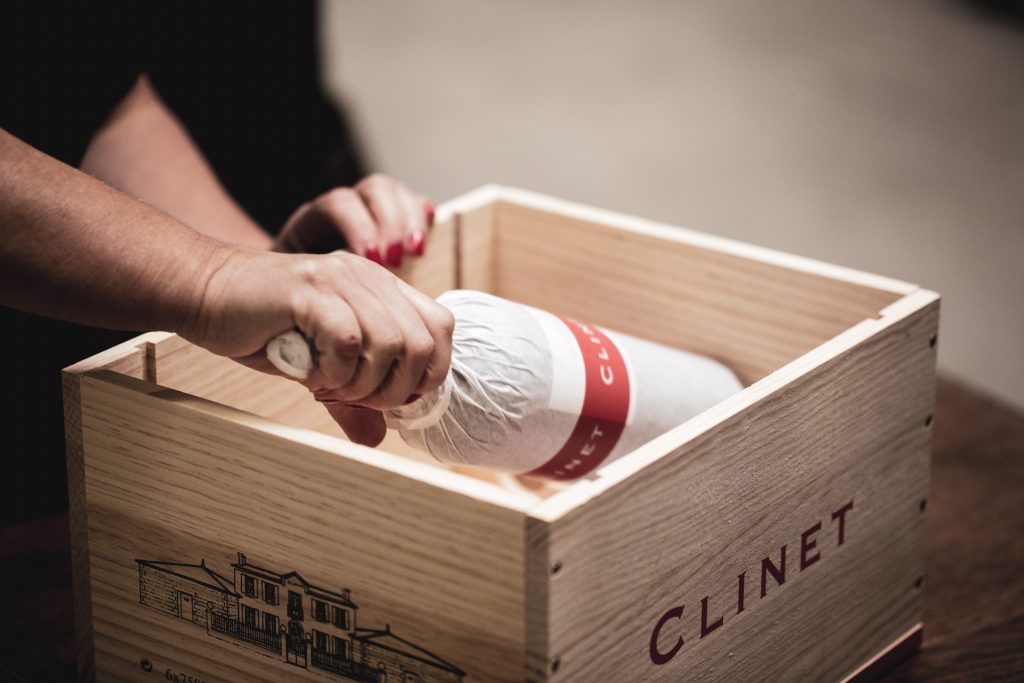
Design and Elegance, Clinet’s characteristic red liner.
Conclusion
Ronan Laborde shapes a vision that reaches far beyond the borders of Château Clinet – and even beyond the borders of Pomerol. His dual perspective — on the one hand as an estate owner rooted in the vineyard and on the other hand as a leading voice for Bordeaux’s grands crus — allows him to contribute to the evolving identity of Bordeaux.
Just as his wines, Laborde expresses depth and precision, tradition and renewal. But more than that, the wines echo the philosophy of a man who believes in openness and collective progress. In an ever-changing global wine world, Laborde embodies a Bordeaux that is confident and ready for the future. All based on introspection.
Or as Laborde says: “Stay curious, taste, travel… and drink Bordeaux!”
This article is written by our own Hermen Jansen and Niels Aarts, as part of our trip to Bordeaux and the series: ‘The Future of Bordeaux in the World of Fine Wines’. We would like to thank Château Clinet, in particular Ronan Laborde, and Colaris, their partner in the Dutch market or their time and support in writing this article.
If you would like to experience the wines of Château Clinet you can find a selection of the whole portfolio in the webshop of Colaris.
Join our insiders’ list and get exclusive early access to new articles, expert tips, and fresh reviews delivered straight to your inbox. Subscribe now and be the first to discover!