Join Our Wine Journey – Sign Up for the Newsletter 🍷
Bordeaux at a Crossroads: Mathilde Lurton of Famille André Lurton.
Share
Deel op X (twitter)
LinkedIn
WhatsApp
Bordeaux at a Crossroads: Mathilde Lurton of Famille André Lurton.
In the heart of Bordeaux’s historic vineyards, a quiet transformation is underway. Amid renowned châteaux and centuries-old terroirs, a new generation is reassessing what it means to produce fine wine in a rapidly changing world. One of the clearest voices in this transition is Mathilde de Caix-Lurton, Managing Director of Famille André Lurton and a fifth-generation member of the Lurton family. Her outlook reflects Bordeaux’s current position: anchored in tradition, yet shaped by an unmistakably international perspective.
During our visit to Château La Louvière in December, the conversation naturally extended beyond the walls of a single estate. What emerged was a broader reflection on Bordeaux’s future—its vineyards, its markets, and the mindset required to navigate both.
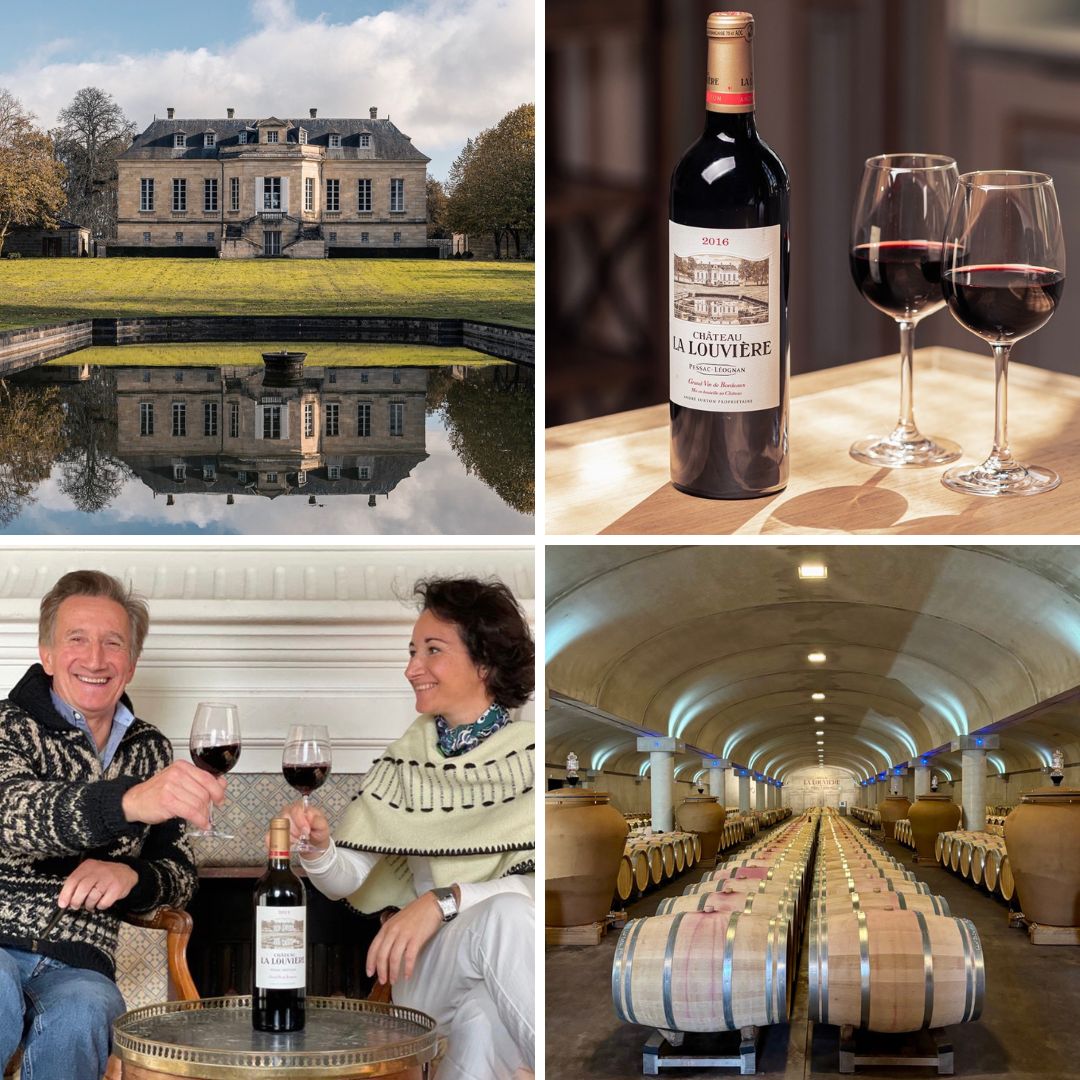
Château La Louvière, one of the Jewels of Famille André Lurton.
A Legacy Shaped Beyond Bordeaux
Unlike many who step directly into a family business, Mathilde first chose to look outward. Early in her career, she worked in Napa Valley at Joseph Phelps Vineyards, followed by experiences in South America and Spain’s Castilla y León. These formative years exposed her not only to different viticultural approaches, but also to contrasting market dynamics and consumer expectations.
Those experiences left a lasting mark. Working outside Bordeaux challenged ingrained assumptions and highlighted the importance of communication, branding, and adaptability—lessons that would later prove essential back home.
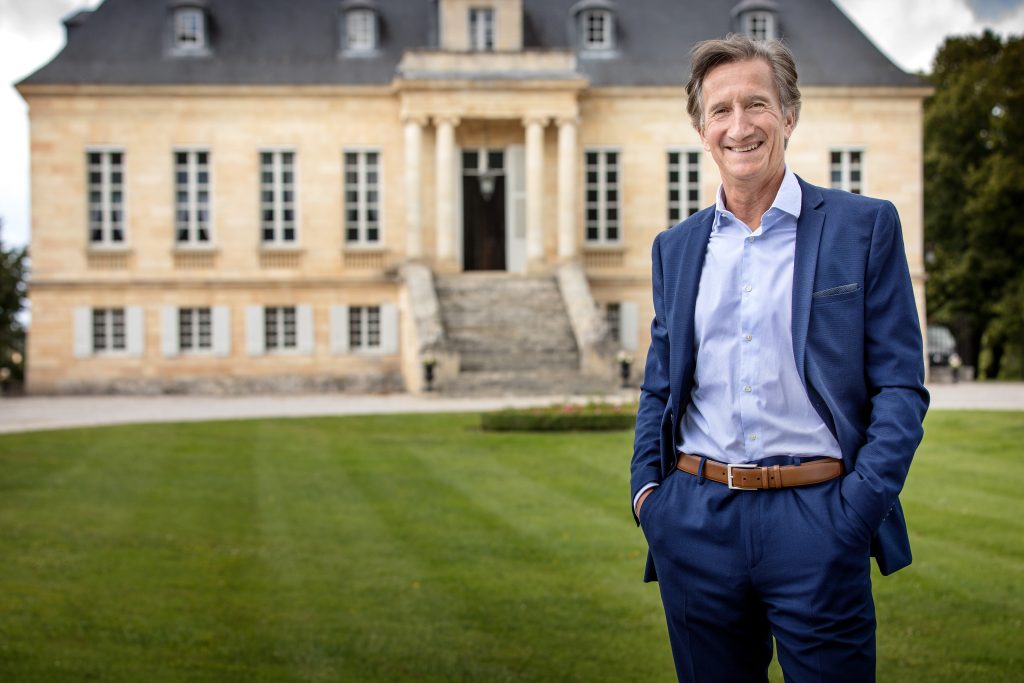
Jacques Lurton, the current President of Famille André Lurton.
This outward-facing mindset is not unique within the Lurton family. Influenced by uncles François and Jacques Lurton, both known for their international ventures, Mathilde grew up in an environment where tradition and innovation were seen as complementary forces. Today, that balance defines her leadership: respectful of inheritance, but unwilling to stand still.
Pessac-Léognan as an Anchor
That global perspective ultimately finds its anchor in Pessac-Léognan, an appellation Mathilde often likens to “the Burgundy of Bordeaux.” Located just south of the city, Pessac-Léognan is distinctive in its ability to produce both red and white wines of equal stature from the same estates.
Château La Louvière amidst its Vineyards in Pessac-Léognan.
Famille André Lurton owns four properties in the appellation—Château La Louvière, Château de Rochemorin, Château de Cruzeau, and Château Couhins-Lurton—each contributing to a portfolio that reflects the diversity of local soils and exposures. Gravel-rich terroirs and subtle climatic influences allow for precision and freshness in both styles.
For Mathilde, this terroir is not simply an inheritance, but a responsibility—one that demands long-term thinking as conditions evolve.
Climate Change and Long-Term Decisions
Climate change has become an unavoidable factor in every strategic decision. Increasing weather volatility, higher disease pressure, and extreme events have reshaped how vineyards must be managed and how risk is assessed.
Famille André Lurton has responded with investment in research, experimentation with disease-resistant grape varieties, and adaptations in vineyard practices. These decisions are made with a multi-decade horizon in mind; planting choices today will shape wines for generations to come.
Climate Change requires a different look at the Vineyards.
Bordeaux’s traditional reliance on blending now offers a degree of flexibility. The diversity of permitted grape varieties allows producers to fine-tune their approach as conditions shift—provided they remain open to experimentation and scientific insight.
Changing Consumers, Changing Contexts
Adaptation is equally necessary beyond the vineyard. Wine consumption patterns are evolving, particularly among younger drinkers, whose curiosity extends far beyond traditional regional loyalties. Bordeaux is no longer consumed solely in formal settings; it now competes for attention in a global, highly diverse wine culture.
This shift challenges long-established assumptions about when, how, and why Bordeaux is enjoyed. Yet it also opens new opportunities for producers willing to rethink communication and positioning.
Branding, Presence, and Market Awareness
For Mathilde, one conclusion is unavoidable: Bordeaux producers must embrace their role as brands. Maintaining a direct connection with consumers—through travel, market presence, and dialogue—has become essential.
Her international experience reinforces the importance of listening as much as speaking. Understanding expectations in different markets allows producers to remain relevant without compromising identity. It also raises questions about the effectiveness of traditional distribution structures in delivering that feedback.
Rethinking La Place de Bordeaux
La Place de Bordeaux remains a cornerstone of the region’s commercial history, but relying on intermediaries alone increasingly limits producers’ understanding of their end consumers. Without direct insight, adapting to changing preferences becomes more difficult.
Famille André Lurton uses different routes to market their wines.
The challenge, as Mathilde sees it, is not to abandon tradition, but to complement it—combining established systems with more direct forms of engagement to restore balance between heritage and responsiveness.
Château La Louvière White 2021: Ideas in Liquid Form
After discussing legacy, terroir, climate, and markets, tasting Château La Louvière White 2021 offered a tangible expression of these themes. Made entirely from Sauvignon Blanc and fermented and aged in oak, the wine stands apart from more conventional interpretations of the variety.
Its structure, depth, and gastronomic character underline the ambition behind Pessac-Léognan whites. As Mathilde succinctly put it, “It has a shoulder.” The wine makes no attempt to appear lighter or simpler than it is—confident, layered, and built to evolve over time.
The Great Whites and Reds from Famille André Lurton.
Looking Ahead with Confidence
Despite mounting challenges, Mathilde approaches the future with optimism. She sees a growing willingness among producers—particularly within Pessac-Léognan—to share ideas, collaborate, and confront common issues collectively.
The task ahead, in her view, lies in maintaining authenticity while remaining adaptable: safeguarding what defines Bordeaux, while ensuring its wines continue to resonate with contemporary drinkers.
Conclusion
Our conversation with Mathilde de Caix-Lurton reveals a Bordeaux in transition, guided by leaders who understand both its past and its future. Her approach reflects a region learning to evolve without erasing its identity—balancing heritage with openness, and tradition with change.
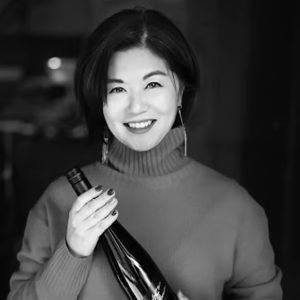
Our own Niels Aarts meeting up with Mathilde de Caix – Lurton.
As we tasted Château La Louvière White 2021, the message was clear: Bordeaux’s strength lies not in resisting transformation, but in shaping it deliberately, with confidence and clarity.
Bordeaux and its Future in the World of Fine Wine- The Series
This article is written by our own Niels Aarts. It is based on our visit in December 2024, as part of our interview series ‘Bordeaux, and its future in the World of Fine Wine’. Stay tuned as we will publish more articles and interviews in this series, featuring leaders of the Bordeaux wine region.
We would like to thank Mathilde de Caix-Lurton and Famille André Lurton for their warm welcome, time and support in the creation of this article.
Join our insiders’ list and get exclusive early access to new articles, expert tips, and fresh reviews delivered straight to your inbox. Subscribe now and be the first to discover!