Join Our Wine Journey – Sign Up for the Newsletter 🍷
An der Schönen Blauen Donau – Grüner Veltliner’s Variations
Share
Deel op X (twitter)
LinkedIn
WhatsApp
An der Schönen Blauen Donau – Grüner Veltliner’s Variations.
Along the shimmering banks of the blue Danube, a symphony of flavours comes to life. Grüner Veltliner, Austria’s signature grape, dances gracefully through a dazzling spectrum of styles – from crisp and peppery to rich and age-worthy. Inspired by a masterclass led by Joep Speet Magister Vini for the Dutch Vereniging van Vinologen, we ask you join us in a dance with Grüner Veltliner.
Der Ballsaal
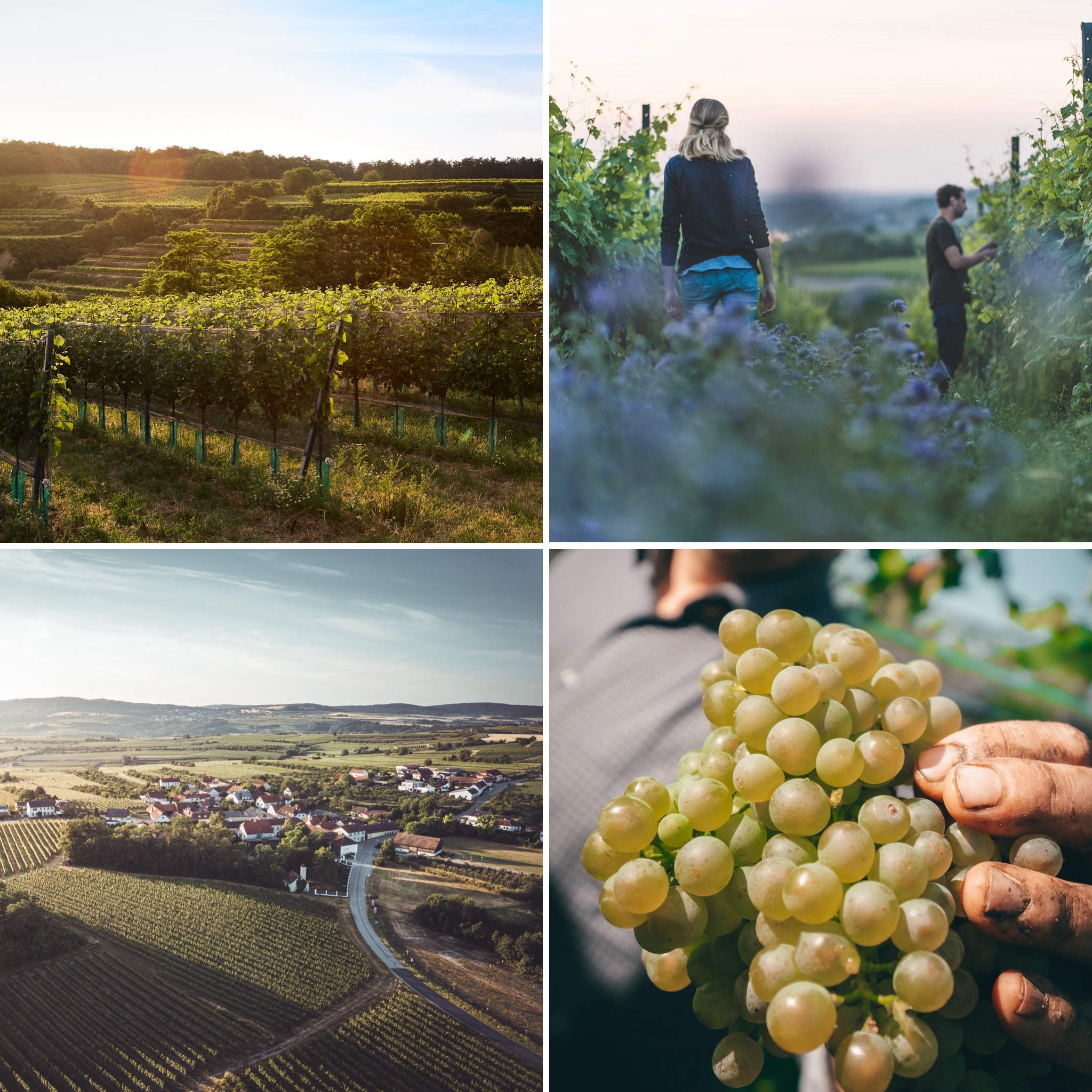
The foundation of Grüner Veltliner’s identity lies in Niederösterreich. Niederösterreich accounts for 65% of the nation’s total wine production. With approximately one third of all Austrian vineyards planted with Grüner Veltliner (and an even greater concentration within Niederösterreich) this variety truly takes center stage. In this article, we focus on the so-called Donauraum, the Danube region encompassing Wachau, Wagram, Kamptal, and Kremstal. It is within these celebrated landscapes that Grüner Veltliner unveils its most refined and expressive notes.
Die Tänzerin
The secret of Austria’s signature grape lies in its versatility. Ripening relatively late, Grüner Veltliner retains its vibrant acidity with impressive tenacity. ‘It’s a grape with many faces,” says Speet. “From piercingly fresh and zesty to rich, textured, and age-worthy – Grüner can be everything.”
Grüner Veltliner is a child of antiquity’s tangled vine. It is the result of a natural crossing between the venerable Traminer – progenitor of many noble varieties – and a mysterious grape called St. Georgen.
One of Grüner Veltliner’s most distinctive traits is its telltale white pepper aroma, a spice note not everyone can detect. This characteristic stems from rotundone, the very same aromatic compound found in Syrah. To what extent this peppery character appears in the wine, depends on a variety of factors. ‘Cooler growing circumstances tend to produce more rotundone’ Speet explains‘while the choice of pressing technique can either soften or amplify its presence.’
Grüner Veltliner, Austria Signature Grape.
Die Tanzfläche
It takes two to tango – and in the Austrian dance between grape and terroir, soil depth often dictates who takes the lead. “On shallow soils, you will mostly find Riesling,” Speet explains, “while Grüner Veltliner thrives on thicker top layers.” Grüner needs its “feet wet,” as Speet puts it, while Riesling prefers drier conditions. Access to moisture is essential, as Grüner Veltliner’s vigorous canopy requires a generous water supply to sustain healthy growth and ripening.
Though the Danube region features volcanic and metamorphic bedrocks, the dominant geology is sedimentary, mostly loess – fine, windblown silt, often rich in calcium carbonate. These deposits trace back to a time when the North Sea was dry land, and wind currents carried fine limestone particles all the way to Austria. Who would have thought the Dutch national basin played a role in shaping Austria’s most iconic terroirs?
Die Musiker
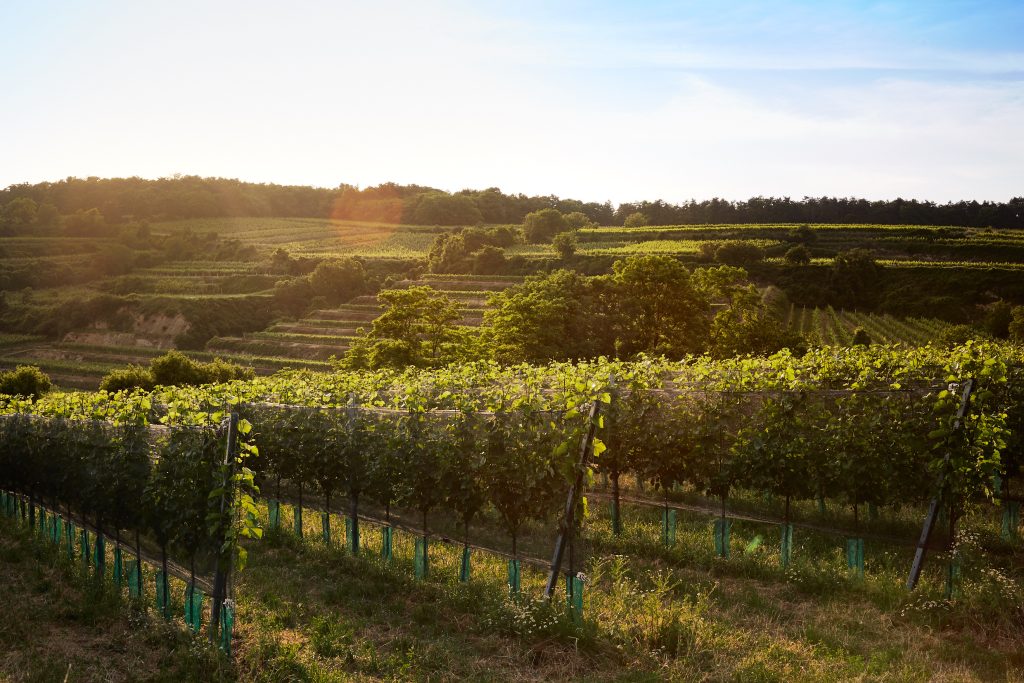
Gently drifting down the mighty Danube, we behold its subregions through the performance of one of its producers. From the steep, dramatic terraces of Wachau and Kamptal, where the vineyards climb like soaring violin solos, to the gentle, rolling hills of Kremstal – as a smooth legato passage of fertile soils and soft slopes – and finally to the varied and textured landscape of Wagram, where complexity unfolds like a rich orchestral crescendo.
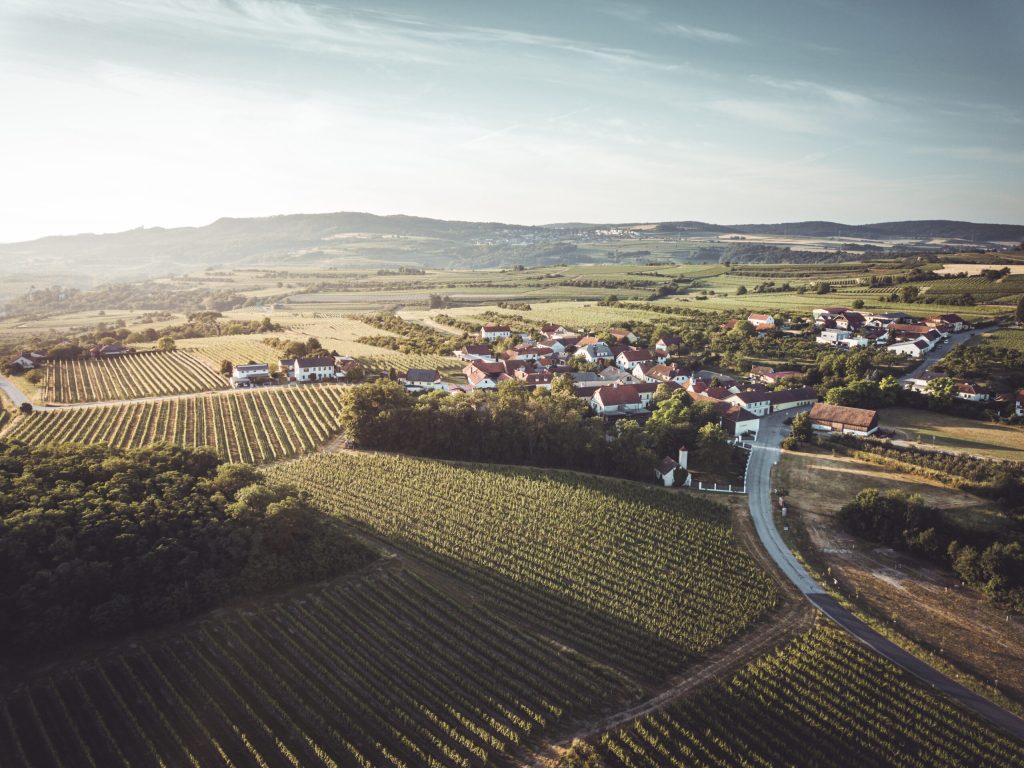
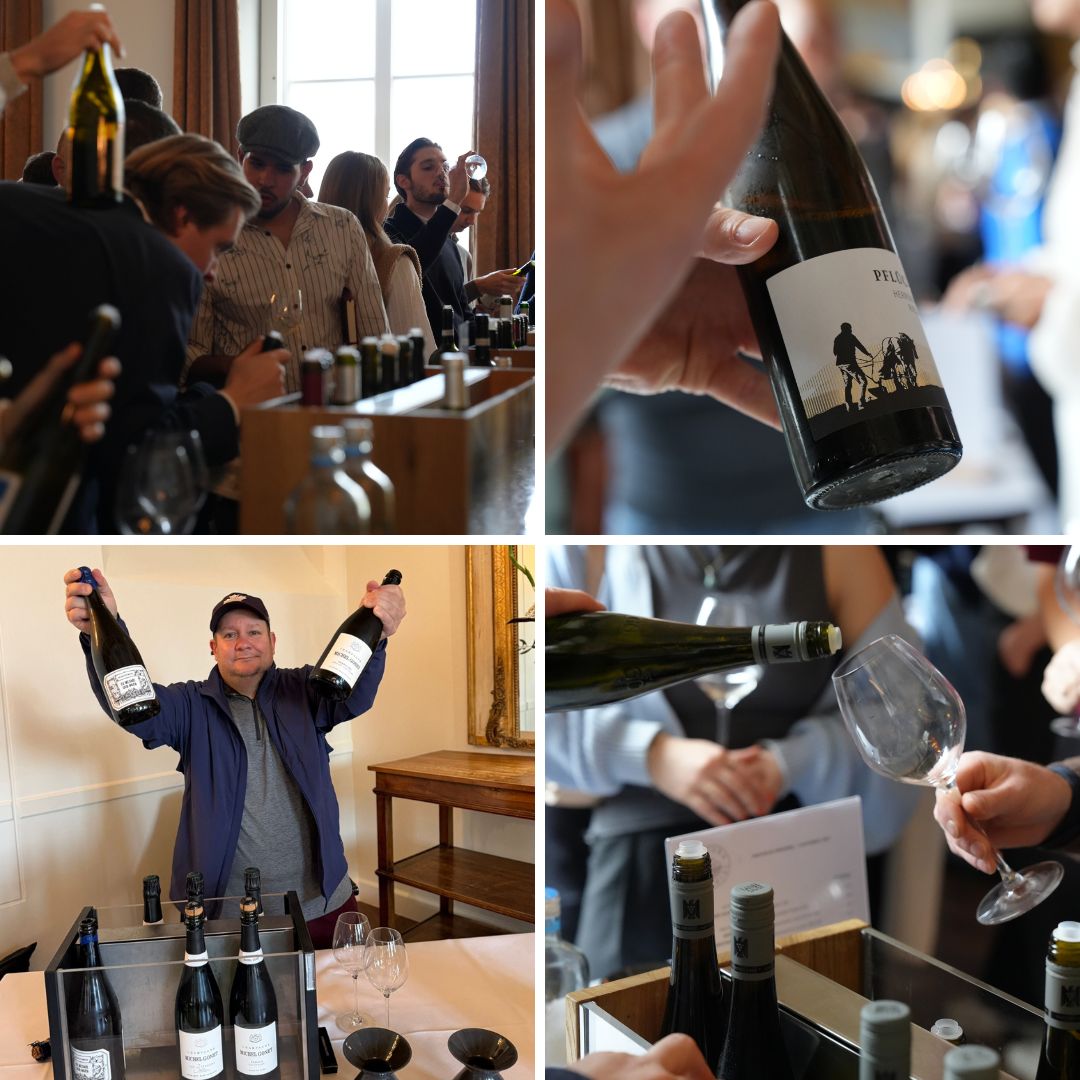
Wachau by Weingut Gattinger
Framed by the historic abbeys of Stift Göttweig and Stift Melk, the Wachau region stands apart with its own classification system based on must weight. At its heart, in Weisenkirchen, Weingut Gattinger carries a deep family legacy. Andreas Gattinger’s father was cellar master at Josef Jamek, a pioneer in the region’s post-war revival and terrace restoration. Gattinger works with deep environmental care, though he deliberately chooses not to certify as organic. A controversy in organic viticulture is the use of copper sulfate, one of the few permitted measures against downy mildew. Copper accumulates in the soil and does not break down, reason why Gattinger rejects its use, favoring systemic plant protection methods instead.
Gattinger – 2024 Federspiel
Wachau | Clay and loess on gneiss | DWA-score: 91/100.
From vineyards rooted in clay and loess atop ancient gneiss, this Federspiel Grüner Veltliner by Gattinger presents an inviting profile. The nose shows gentle green apple and pear notes, layered with subtle green herbal nuances, and a delicate white pepper spice. Lightly creamy and smooth on the palate, it carries a graceful, light-footed character with a lively, peppery finish. A textbook expression of Grüner Veltliner, balancing softness with vibrant spice and freshness.
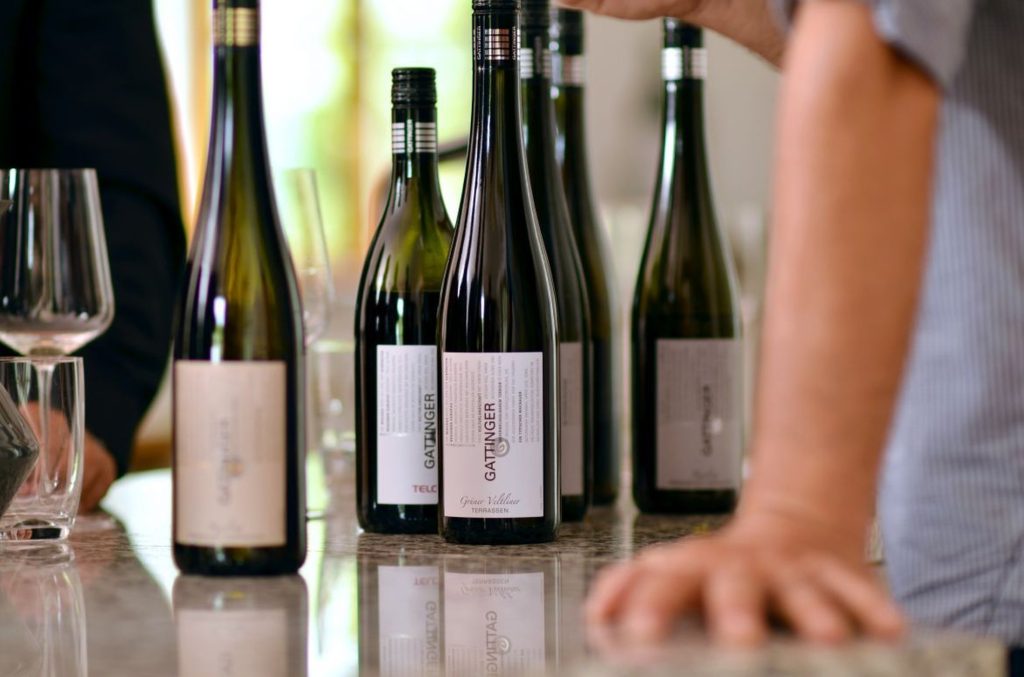
The Wachau wines from Weingut Gattinger.
Gattinger – 2023 Smaragd Ried Weitenberg
Wachau | Clay and loess on gneiss | DWA-score: 92/100.
On the Weitenberg vineyard in Weissenkirchen, one of the higher sites in the Wachau (rising from 227 to over 400 metres), Grüner Veltliner grows on south-east to south-west-facing slopes. The soils are rich and weighty – clay and loess over gneiss – yielding a wine of presence and texture.
The nose opens with soft green fruit, herbal freshness, and a fine layer of white pepper. The palate begins with a gently sweet impression, evolving into creamy green fruit with notable depth and structure. There’s real power here, balanced by bright acidity and subtle fruit bitterness. Alcohol is perceptible, yet well-integrated. A confident, full-bodied expression with tension, richness, and a long future ahead.
Kremstal by Weingut Geyerhof
Weingut Geyerhof lies just beneath the Benedictine monastery of Krems’s Stift Göttweig. The estate has been farmed biodynamically with unwavering conviction, thanks to Ilse Maier, the driving force behind the conversion to organic in 2002 – and later, to full biodynamics. Together with her son Josef (who married, yes, to Maria) they converted to biodynamics. Josef and Maria now run the estate with a blend of an Austrian heritage and German precision. Nature conservation is deeply embedded in their philosophy. A local stream was restructured, enabling the reintroduction of a rare salamander to the area.
When rising temperatures became more evident, Geyerhof chose to plant Grüner Veltliner on a cool, north-facing slope. The experiment has paid off beautifully. In the glass, the nose remains reserved: youthful and calm, lightly spiced with subtle notes of green apple and white pepper. On the palate, the wine reveals clean, bright fruit, a light to medium body, and a juicy, refreshing profile. Flavours of lime, mandarin, and citrus zest mingle with Grüner’s signature white pepper note. Vibrant and thirst-quenching, the wine finishing with a pleasant length and mouth-watering acidity.
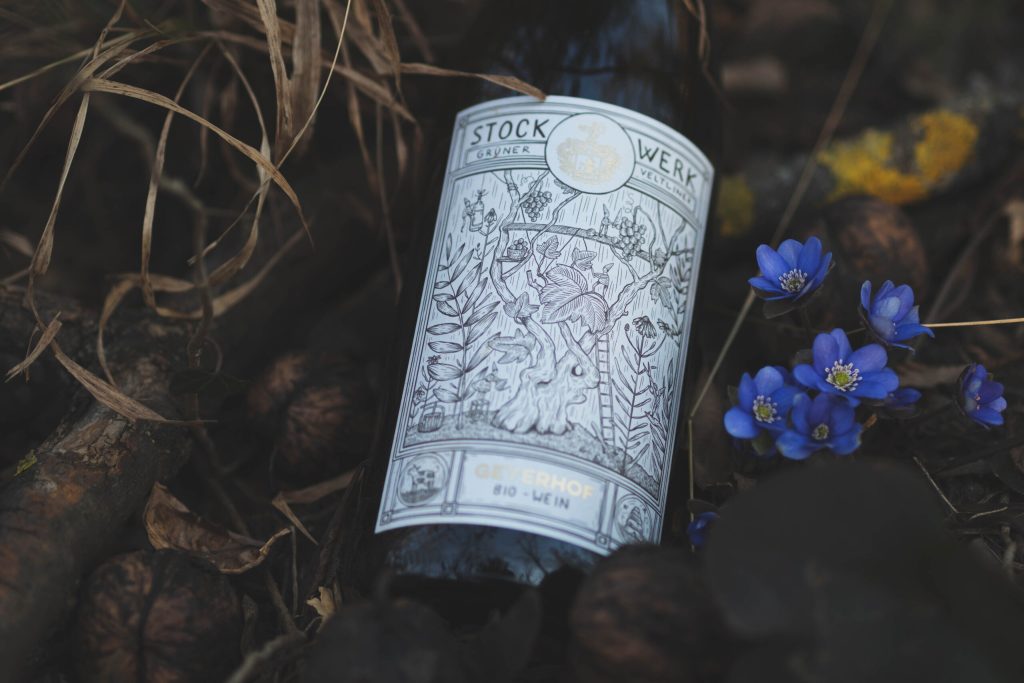
Geyerhof’s Stockwerk.
Geyerhof – 2024 Hoher Rain
Kremstal | Sandy and loamy soils | DWA-score: 91/100.
Slightly reserved in youth, the bouquet of Geyerhof’s Hoher Rain 2024 reveals delicate notes of green apple, subtle citrus, and a whisper of white pepper. On the palate, the wine is crisp and taut, delivering vibrant flavours of green apple, lemon zest, and lime. A fine, food-friendly structure carries the wine to a finish marked by a touch of fruit-driven bitterness and lingering, mouthwatering freshness. Its firm acidity, paired with pure green fruit, strikes a perfect balance, making the wine both refreshing and subtly complex.
On the close to flat Steinleithn vineyard, Grüner Veltliner is rooted in granulite, a hard metamorphic rock, with a shallow topsoil interspersed with quartz and mica. Known for producing wines of finesse rather than breadth, Steinleithn expresses its unique identity even in warmer vintages like 2022.
The bouquet reveals subtle hints of green apple, wet stone, and a touch of green herbs. Cool-toned and refined. On the palate, the wine opens with a supple entry, soon building into a wine of tension and precision. There is an elegant interplay between power and acidity, with a firm, linear finish. The wine now already is impressive, but it is the underlying potential that stands out. This is a wine built to evolve.
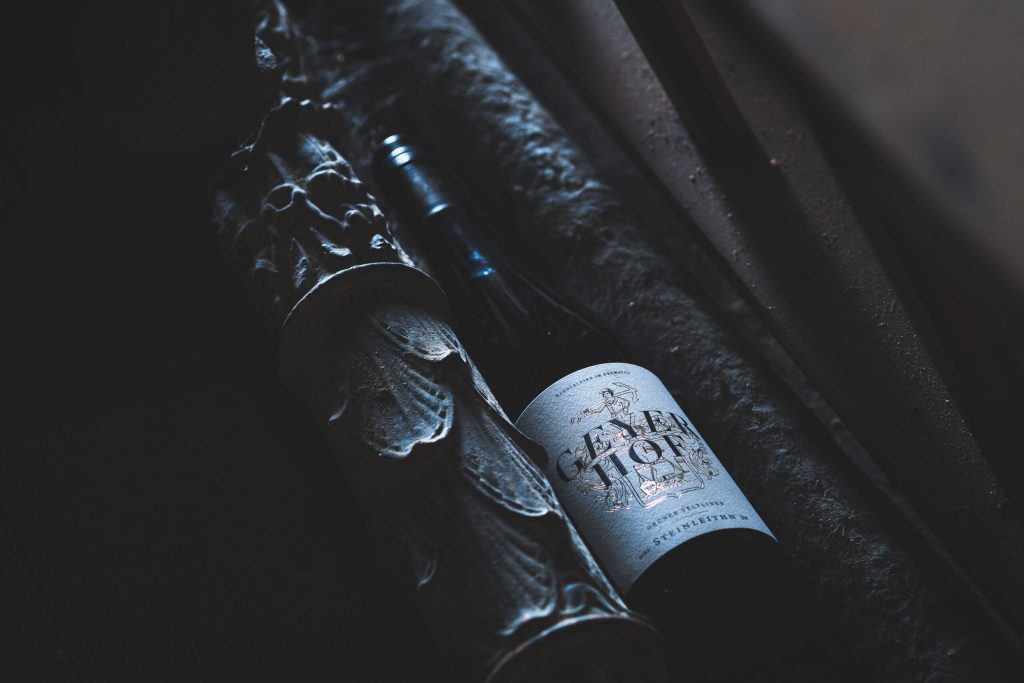
Geyerhof’s Steinleithn.
Kamptal & Wagram by Weingut Bernhard Ott
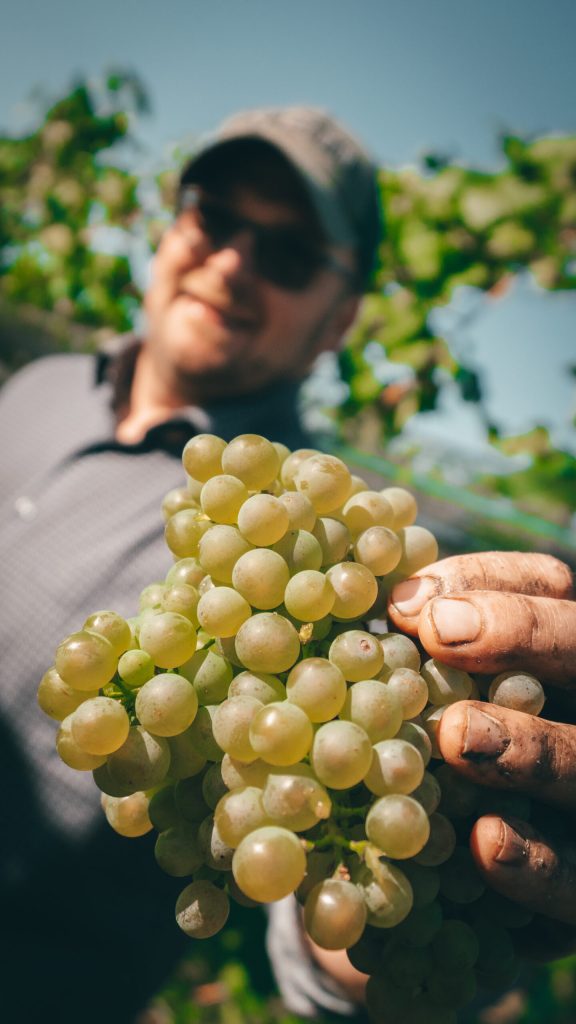
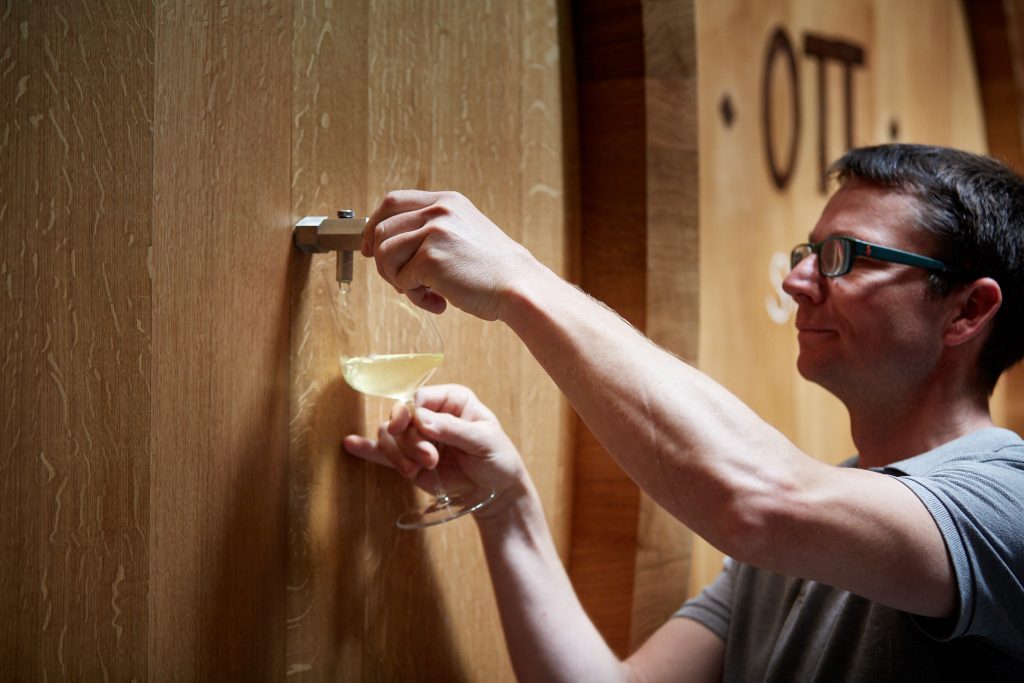
“Ich bin ein Veltliner.” With these profound words, Bernhard Ott captures not only his passion, but his identity. Rooted in the very end of the Wagram appellation, Ott has shaped his life’s work around Grüner Veltliner. Ott took over his family’s estate at the tender age of twenty-three and over the years he has grown into a meticulous craftsman and tireless innovator.
Central to Ott’s winemaking is his belief in whole-cluster pressing. “Stems are part of the grape” as he would say. According to Speet, stems lend an aromatic lift, a touch of floral elegance, and a gentle grip. Long and gentle press cycles with stems allow for reduced sulfur use. Thanks to careful vineyard management, Ott has gradually brought down alcohol levels with two percent. While Ott’s wines stand out for their rich texture, they simultaneously possess a striking freshness and elegance — almost Burgundian in character.
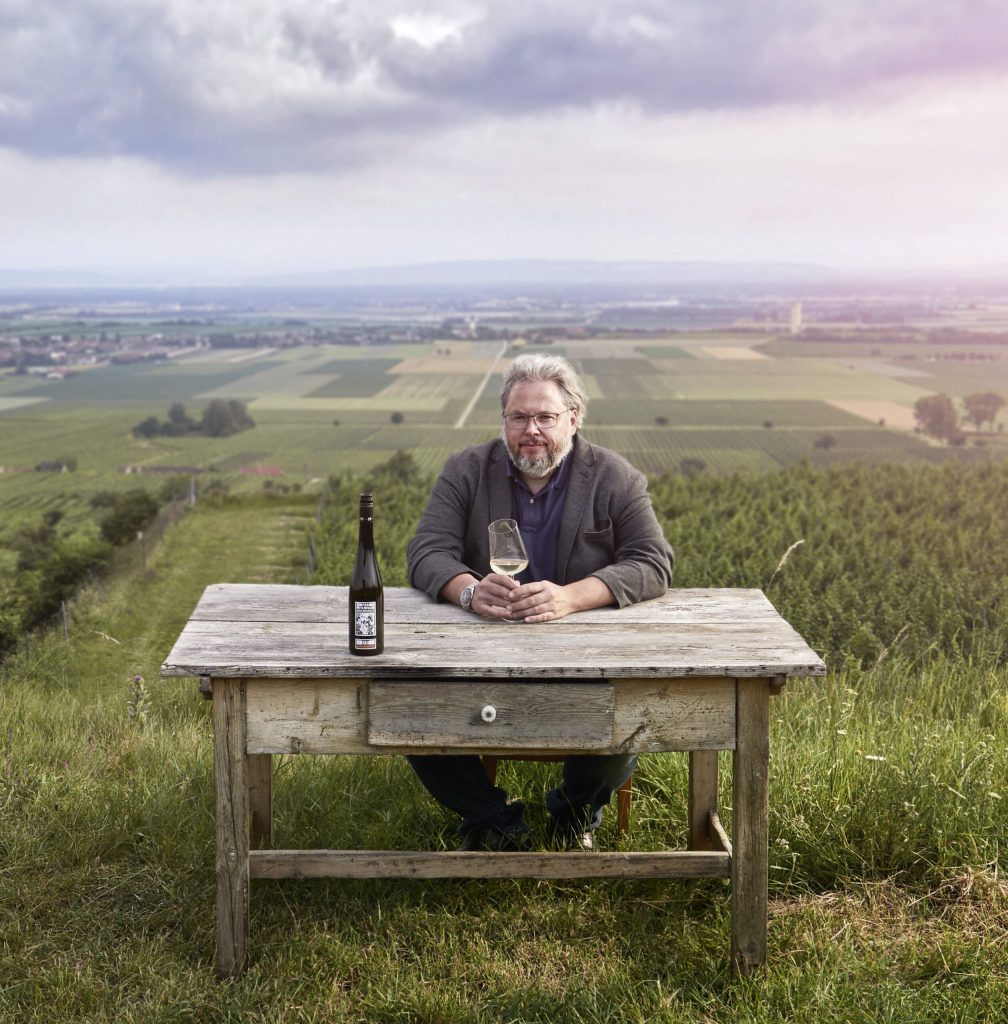
Bernhard Ott.
Ott – 2024 Am Berg
Wagram and Kamptal| Various vineyards in Wagram, partly Kamptal | DWA-score: 91/100.
After a touch of youthful reduction, the nose reveals a range of citrus fruit, from tight and fresh to ripe and candied, accompanied by fresh green and red apple aromas and subtle coriander notes. On the palate, the wine opens with open and clean fruit. Expressive and vibrant acids provide drinking pleasure, while a slightly grippy texture adds a bite. A relatively long aftertaste highlights fresh and ripe citrus—lime and mandarin – red apple and a touch of coriander. The wine dances gracefully between light-footed elegance and a satisfying, well-grounded presence.
Ott – 2024 Fass 4
Wagram and Kamptal | Various vineyards in Wagram, partly Kamptal | DWA-score: 92/100.
Despite his move to stainless steel – and later to Stockinger barrels – Fass 4 is named after a large wooden cask favoured by Ott’s father. On the bouquet, the wine reveals ripe red apple, a subtle hint of yeast and a touch of youthful reduction. The palate feels luxurious, with concentrated ripe citrus and red apple, swiftly lifted by crisp, refreshing acids. A delicate fruit bitterness, reminiscent of apple peel, adds depth and tension. There is an irresistible charm to Fass 4 that makes it difficult not to admire.
Ott – 2023 Der Ott
Wagram | Various vineyards, mostly Spiegel and Rosenberg | Loess soils | DWA-score: 92/100.
Der Ott 2023 reveals subtle yeast notes alongside lush aromas of peach, warm spices, and floral nuances. On the palate, it opens broad and soft with rich, mouth-filling fruits, evolving into a nicely spiced profile with good grip and structure. Flavors of mandarin and ripe peach carry through to a balanced finish.
Ott – 2022 Spiegel 1ÖTW Wagram
Wagram | Ried Spiegel | South to south-west exposure | Deep loess, rich in limestone and touches of clay | DWA-score: 94/100.
The 2022 Spiegel opens with a dark, flinty minerality, subtly lifted by hints of peach and floral notes. The palate is pure and rounded, delivering refined citrus fruit and soft stone fruit, all framed by crystalline acidity. There is a quiet power to this wine. Persistent and finely detailed, it promises even greater depth with time.
Ott, showing Grüner Veltliner expressions from Kamptal and Wagram.
Ott – 2022 Stein 1ÖTW Kamptal
Kamptal | Ried Stein | Southern exposure | Thin layer of loess, layered over gravel, saline clay and gneiss | DWA-score: 94/100.
The 2022 Stein opens with a restrained, herbal nose. On the palate, the wine is bright and juicy, delivering precise fruit, a muscular structure, and a driving core of energy. Explosively energetic, this is a wine of clarity and force, with serious presence and ageing potential.
Die Choreographie
Grüner Veltliner’s dance is choreographed by winds and weather from all four corners of the compass. From the west, Atlantic influence is tempered by the Alps, functioning as a natural barrier and limiting heavy rainfall. From the east, the Pannonian climate brings warmth and dry air, helping to ripen grapes and concentrate flavours. From the south, a touch of Mediterranean warmth adds bursts of sunshine and heat.
Most crucially, cool northern winds sweep through the Danube region in September, ushering in a shift between warm days and cool nights. This diurnal variation is key: it promotes photosynthesis during the day while preserving Grüner Veltliner’s vibrant aromatics and crisp acidity at night.
To experience Grüner Veltliner through the rhythm of different vintages, we taste five vintages from Bernhard Ott’s Rosenberg vineyard. Rosenberg is located on foot of Wagram’s Hengstberg. The exposition ranges from south-east to south-west, benefiting from ample sunlight while being naturally sheltered from cold northern winds by the Hengstberg. The soils are composed of a deep loess layer reaching up to 20 metres, rich in calcium carbonate with some clay content.
We listen to Grüner Veltliner played in major key – allegro, open, and expressive – in warmer vintages and played in minor key – adagio, delicate, and complex – in more restrained vintages.
Grüner Veltliner from Ott’s Rosenberg Vineyard.
Ott – 2022 Rosenberg
‘A vintage marked by challenging growing conditions’ | DWA-score 95/100.
Floral notes, white herbs, soft and clear tree, and stone fruits. Beautifully concentrated, seamless balanced. Flavours of juicy fruits like wild peach and apricot and a subtle aromatic spice. Strikingly elegant and refined. Structured, complex, and quietly expressive, with great aging potential.
Ott – 2020 Rosenberg
‘A modest yield offering good freshness, but a little less concentration’ | DWA-score: 94/100.
Open and creamy, slightly lactic, hints of caramel. Soft en rounded, breadth and substance, creamy texture, caramelized notes. A lift of freshness brings balance and clarity. This wine has partly gone through malolactic conversion.
Ott – 2019 Rosenberg
‘A standout vintage – 2019 offers the complete package’| DWA-score: 96/100.
Balanced and lifted, with green herbal spice, floral tones, and soft orchard fruit, all rendered with finesse. 2019 shows impressive concentration and structure. Ripe stone fruit, a dark minerality, and a hint of sweetness, layered over a creamy texture. Powerful yet composed, it is a wine of both generosity and detail.
Ott – 2018 Rosenberg
‘Warm year with generous fruit and, at times, less acidity – a true winemaker’s vintage’ | DWA-score: 93/100.
Open and spicy, accompanied by an oily aroma reminiscent of petrol. 2018 is rich and broad and a more opulent character, with an underlying dark minerality. Less fresh and energetic compared to the others, a touch more settled.
Ott – 2017 Rosenberg
‘Characteristics of a warm vintage, yet more stable than 2018’ | DWA-score: 94/100.
Spicy with subtle development notes, caramel, and a hint of greenness. Reserved yet balanced, soft, and complete, combining gentle fruitiness with fresh acidity.
Der Finale
Grüner Veltliner waltzes through Austria’s wine regions, each terroir and vintage composing its own masterwork. Yet in every glass, a familiar theme resonates: elegance and gracefulness. Through the dedication of passionate winemakers, a new composition unfolds every harvest – a symphony that invites us to keep on listening.
This article was written by our own Hermen Jansen. The above-mentioned wines are imported in the Netherlands by Pallas Wines, and available through selected partners. We thank Verenigde Vinologen Nederland and Joep Speet in particular for their invitation. Picture credits: all respective owners/wineries.
Join our insiders’ list and get exclusive early access to new articles, expert tips, and fresh reviews delivered straight to your inbox. Subscribe now and be the first to discover!